
e-Bulletin October 2025
MESSAGE FROM THE DIRECTOR |
Black Coffee

I love black coffee. But there is an unwritten rule in my office: I cannot offer guests coffee unless we have fresh creamer and sugar. (Rule 2: Always offer water and tea as well.) A respectful host takes account of different tastes.
I am noticing that as a School we respectfully apply the same principle. HKU School of Public Health revels and excels in the public health sciences: epidemiology, virology, statistics, kinesiology, economics and mathematical modeling. We are recognized globally for innovation and rigor. We produce the finest black coffee—powerful, concentrated, and essential. Yet, as with coffee, we broaden the appeal with cream and sugar by having on hand our skill in implementing and teaching public health practice.
While our scientific insights remain vital, they alone cannot address the complex, interconnected threats to health we face today. The principles of Public Health 3.0 integrate scientific mastery with strategic partnerships involving citizens, community organizations, and cross-sector policy initiatives. This collaboration stocks cream and sugar in our cupboard. Integrating contextual elements (i.e. local tastes) enhances our capacity to build trust, foster resilience, and implement sustainable solutions based on our amazing discoveries.
Scientific knowledge alone does not guarantee community acceptance and trust. Impactful public health work involves a two-way dialogue: evidence must be framed in light of local sensibility and with trusted messengers. I am proud to be part of Asia’s top center of excellence in producing practitioners and scholars who respect the full breadth of what our profession brings to society. Our scholarship of engagement—working with communities, forging shared goals, and building mutual understanding—is the essence of preparedness. It is fundamental to translating knowledge into meaningful action. Our School’s success in traditional disciplines is a strong foundation to cherish and upon which to expand. The openness we have shown to partnering with policymakers and community members ensures that our expertise remains relevant and transformative.
Professor David Bishai
Director and Clinical Professor
School of Public Health, The University of Hong Kong
RECOGNITION |
Topping the HKU List for Seven Consecutive Years
Twenty-three SPH Researchers Ranked Top 1% Worldwide
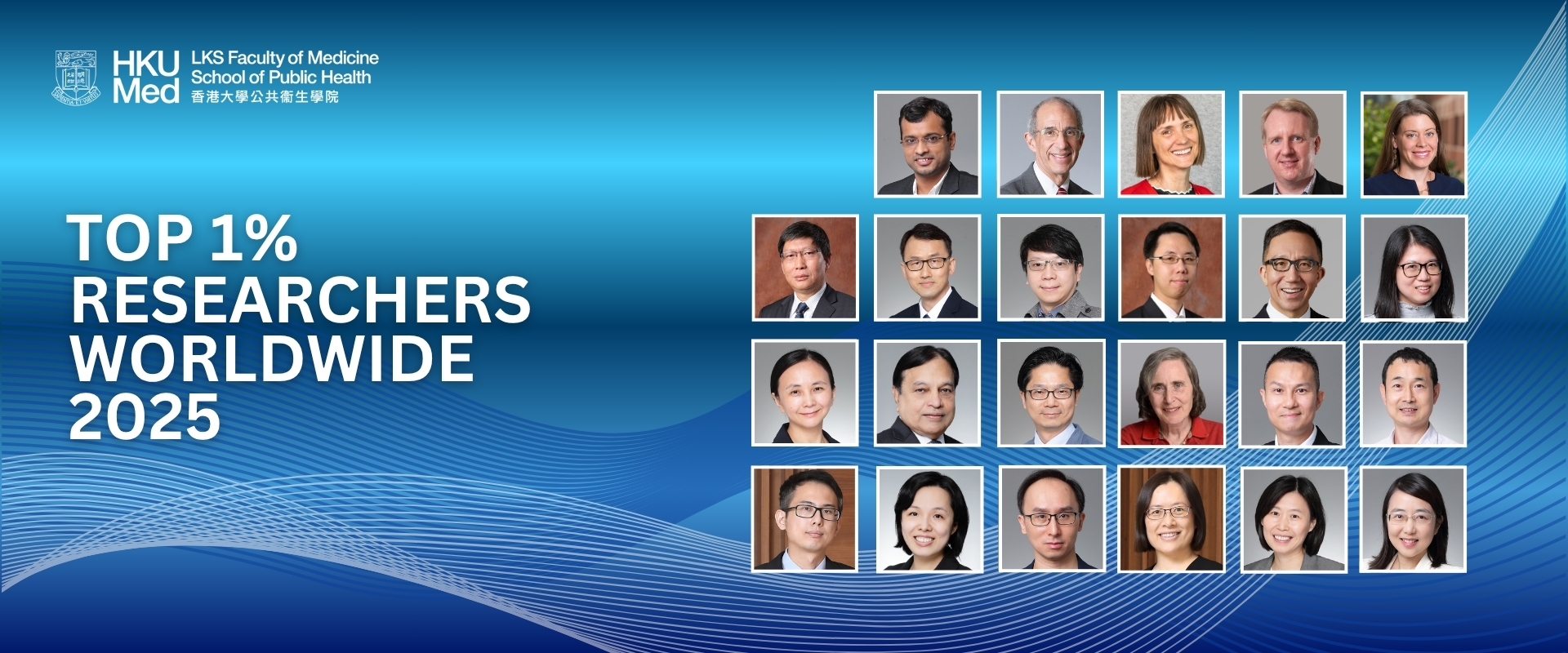
Twenty-three SPH faculty members are listed as the world’s top 1% scholars. Out of all academic units in the University, our School has topped the list seven years in a row, accounting for 23 out of 232 scholars in HKU in the top 1% list in 2025.
The Top 1% Scholars at SPH are *:
- Professor Sheikh Taslim Ali, Assistant Professor
- Professor David Bishai, Director and Clinical Professor
- Professor Ester Cerin, Honorary Professor
- Professor Ben Cowling, Helen and Francis Zimmern Professor in Population Health, Chair Professor of Epidemiology, and Head of Division of Epidemiology and Biostatistics
- Professor Karen Grépin, Associate Professor
- Professor Guan Yi, Chair Professor of Emerging Viral Diseases
- Professor Daniel Ho, Honorary Associate Professor
- Professor Tommy Lam, Associate Professor
- Professor Eric Lau, Honorary Assistant Professor
- Professor Gabriel Leung, Honorary Clinical Professor
- Professor Kathy Leung, Assistant Professor
- Professor Julie Liao, Assistant Professor
- Professor Malik Peiris, Emeritus Professor and Honorary Clinical Professor
- Professor Leo Poon, Daniel CK Yu Professor in Virology, Chair Professor of Public Health Virology, Head of Division of Public Health Laboratory Sciences, and Associate Dean (Human Capital) of LKS Faculty of Medicine
- Professor Schooling Mary, Honorary Associate Professor
- Professor Parco Siu, Assistant Dean (Well-being) of LKS Faculty of Medicine, Professor and Head of Division of Kinesiology
- Professor Linwei Tian, Associate Professor
- Professor Tim Tsang, Assistant Professor
- Dr Jessica Wong, Research Assistant Professor
- Professor Joseph Wu, Sir Robert Kotewall Professor in Public Health and Professor
- Professor Wu Peng, Associate Professor
- Professor Hui-ling Yen, Professor
- Professor Zhu Huachen, Associate Professor
*In alphabetical order of surname
This list recognises HKU researchers ranked by Clarivate Analytics in the top 1% worldwide by citations in at least one of the 22 research fields. Data is drawn from Essential Science Indicators (ESI).
The School extends our heartfelt congratulations to our top scholars.
Source: HKU Scholars Hub
EVENT SNIPPETS |
The Political Economy of Global Health in Historical Perspective
Lecture by Professor Jesse B Bump from Harvard T.H. Chan School of Public Health
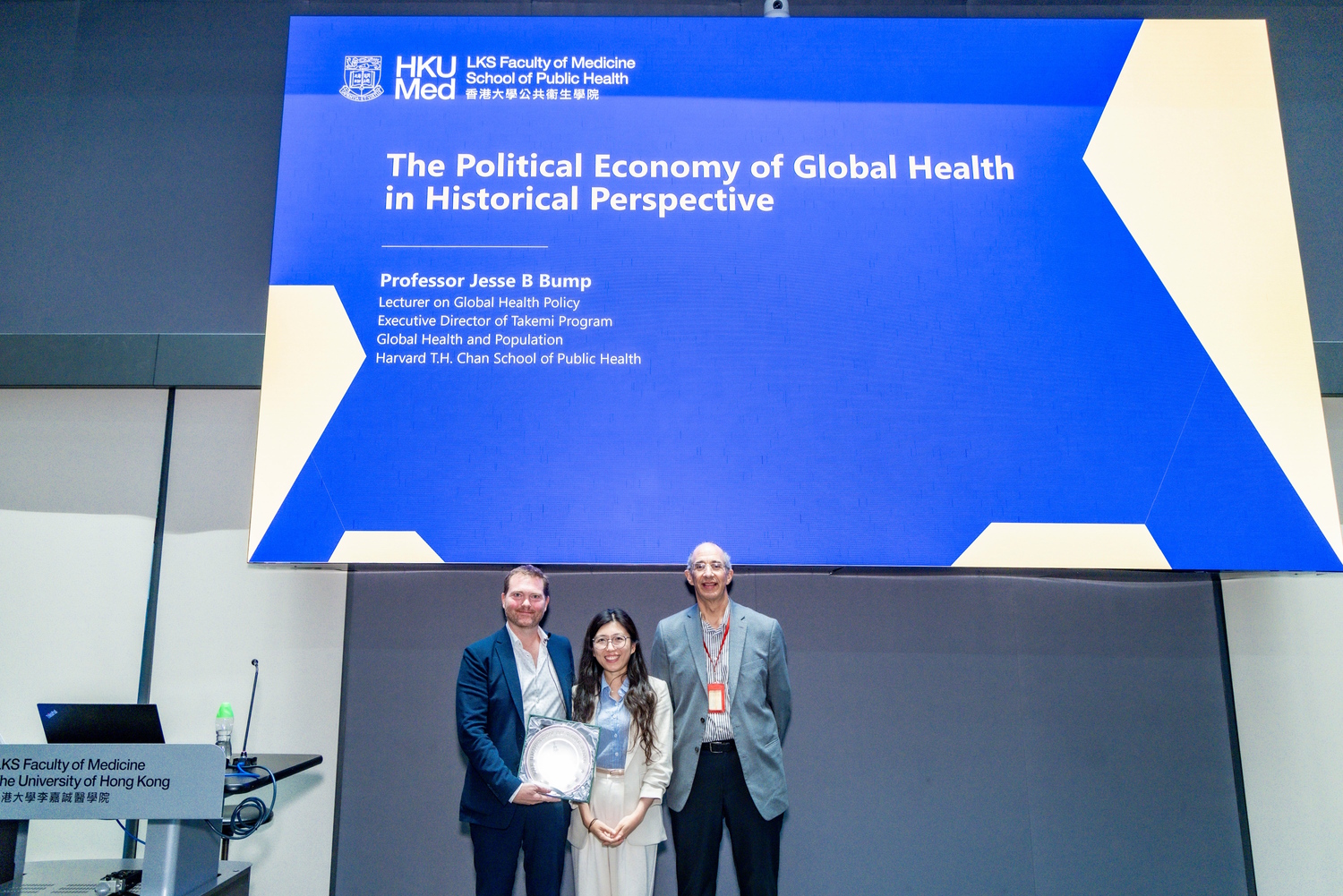
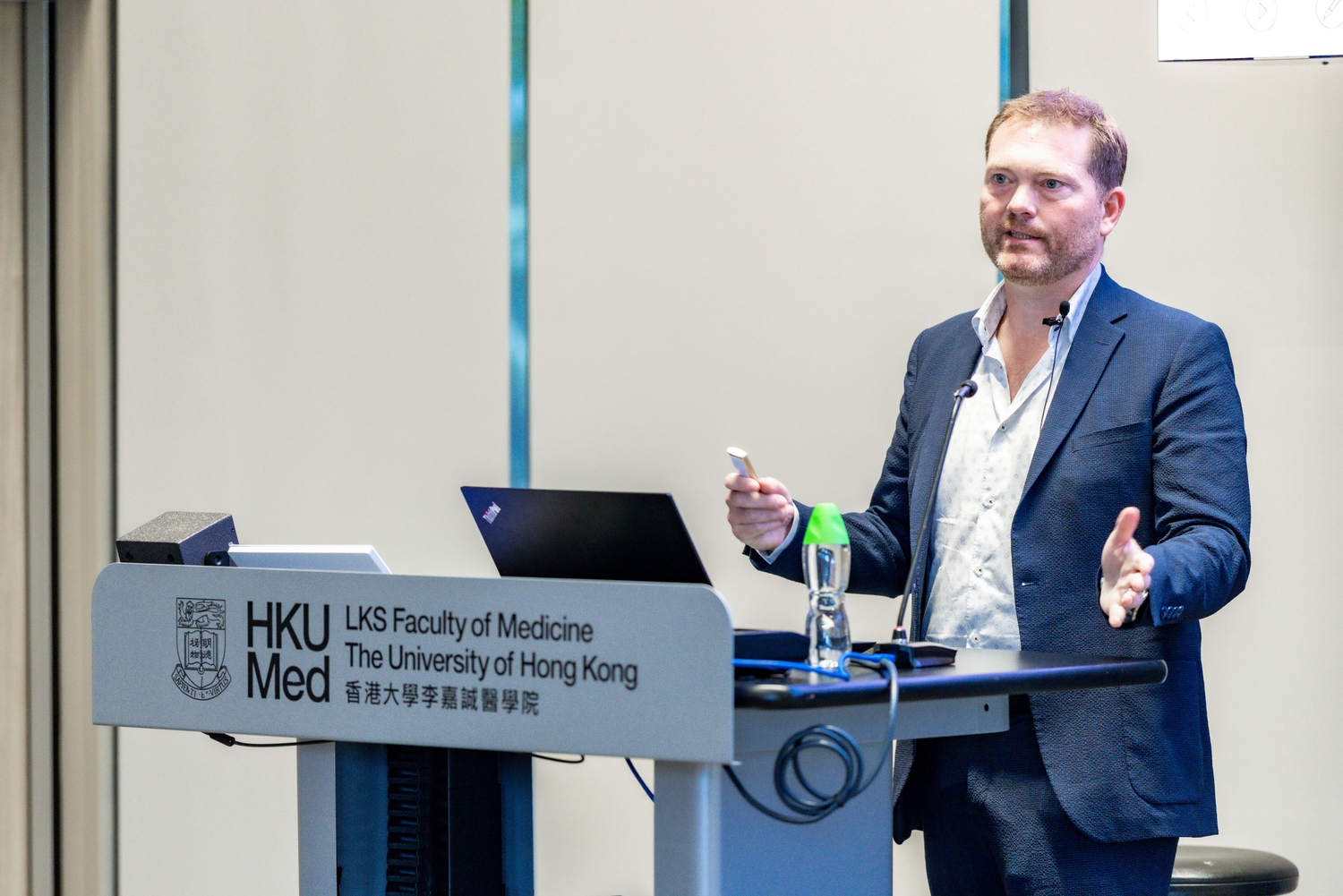
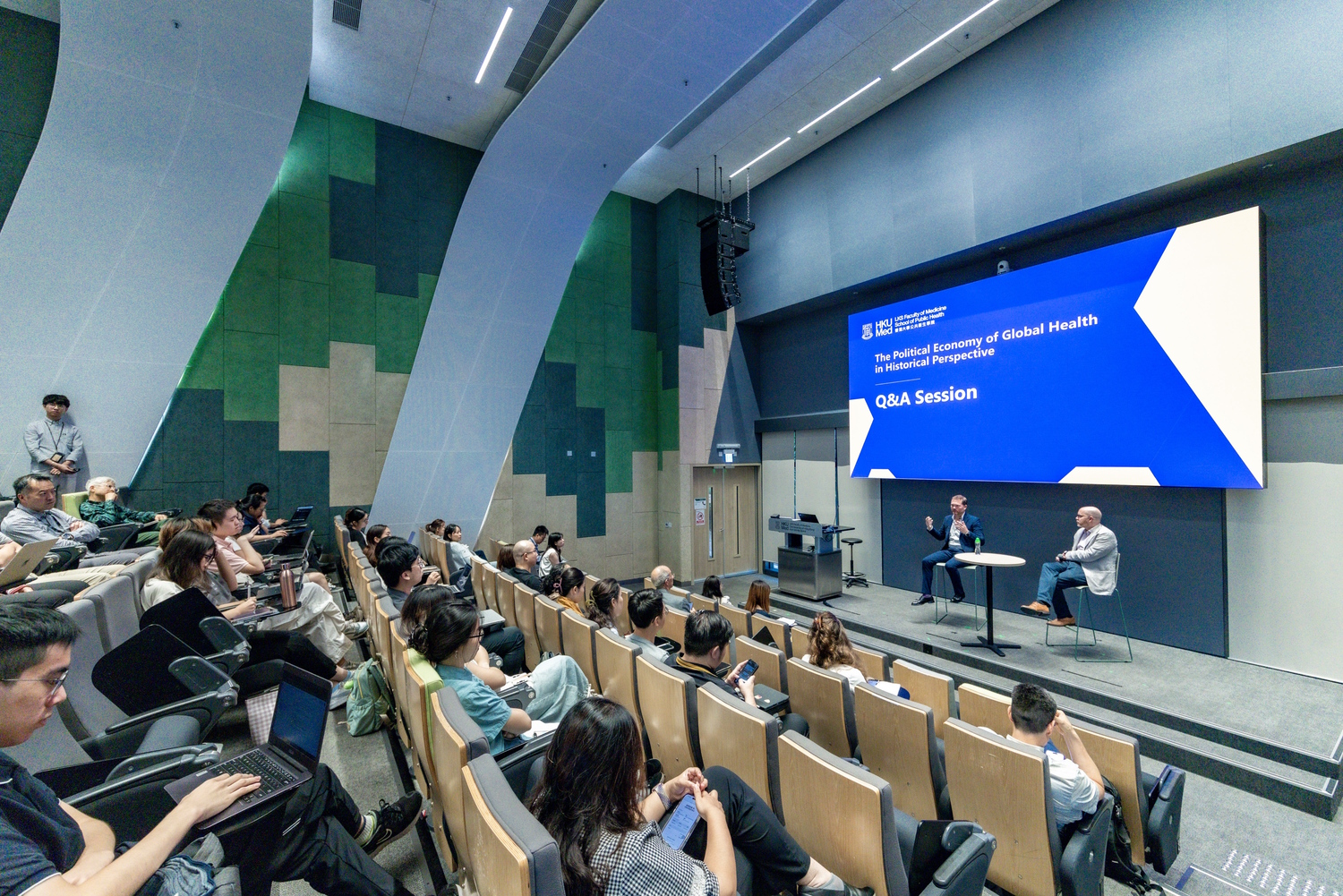
On September 15, 2025, our School hosted a lecture titled “The Political Economy of Global Health in Historical Perspective” by Professor Jesse B Bump, Lecturer on Global Health Policy and Executive Director of Takemi Program, Global Health and Population, Harvard T.H. Chan School of Public Health. The lecture took place at the HKU medical campus and attracted over 60 attendees.
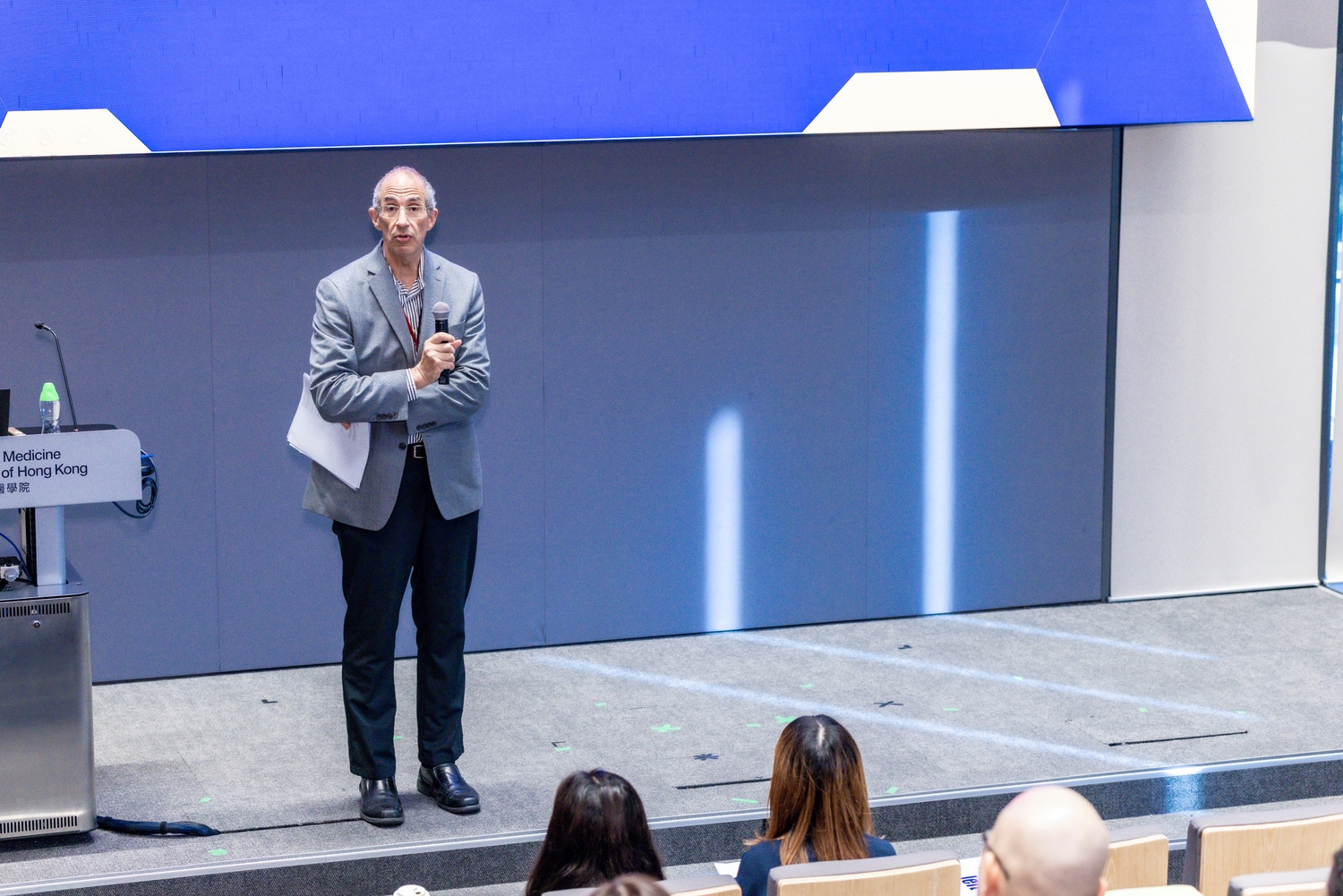
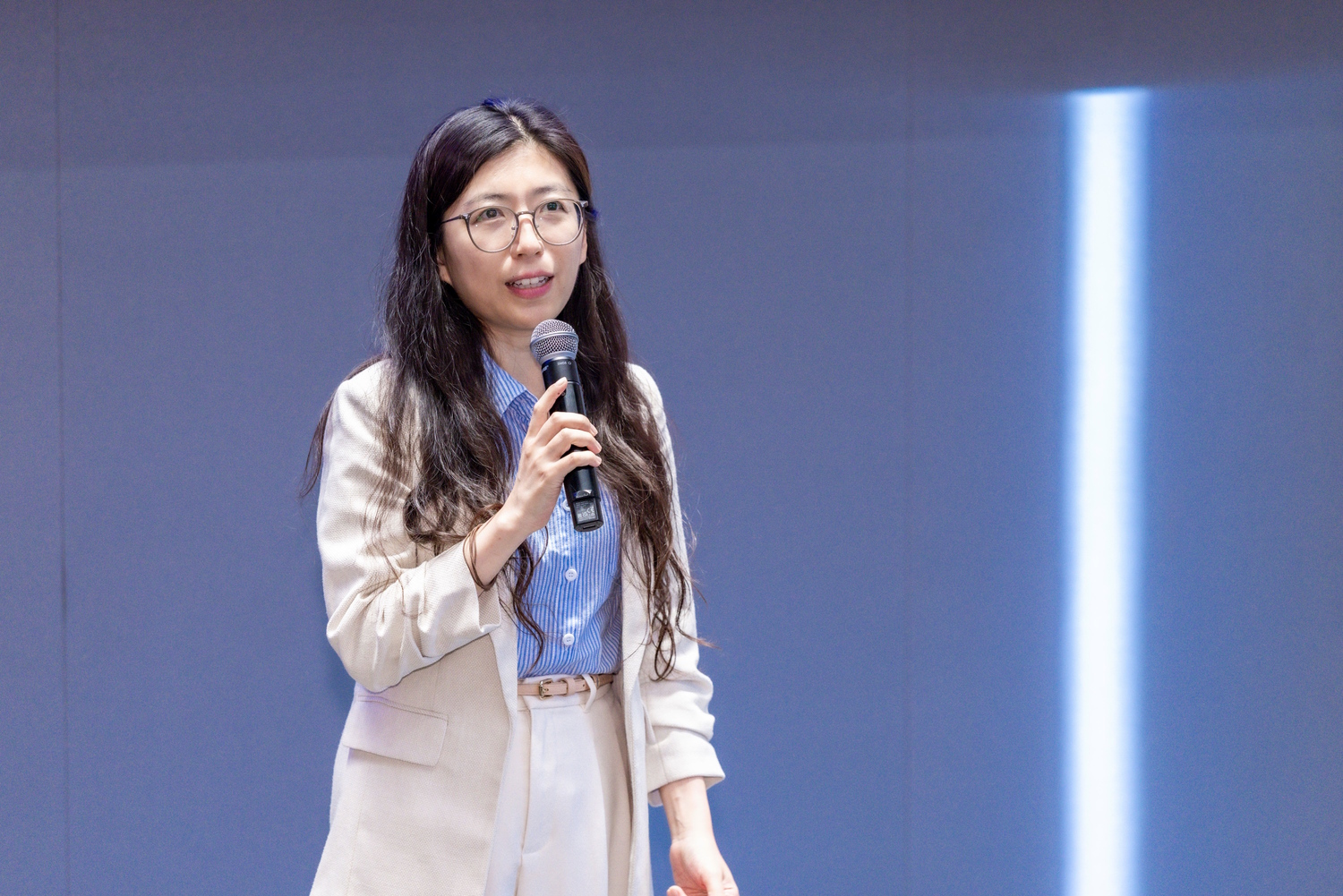
The lecture commenced with opening remarks from Professor David Bishai, Director and Clinical Professor of our School, followed by an introduction of the speaker by Professor Jane Zhao Jie, our Assistant Professor and a Takemi Fellow. Professor Bump unpacked recent global health events through a political economy lens, from colonial legacies to macroeconomic policies that continue to shape health inequities today. He concluded by encouraging the audience to move beyond analysis and engage directly by exposing extractive processes, refusing to participate in unfair systems, insisting on legitimacy, and studying how ideas work, not just pathogens.
Following the lecture, a Q&A session moderated by Dr Andrew Park, Lecturer of our School, allowed the participants to actively engage in the discussion.
To watch the lecture recording, please click here.
One Health Hub Seminar Series
Antimicrobial Resistance (AMR) in the One Health Context: Policies and Evidence
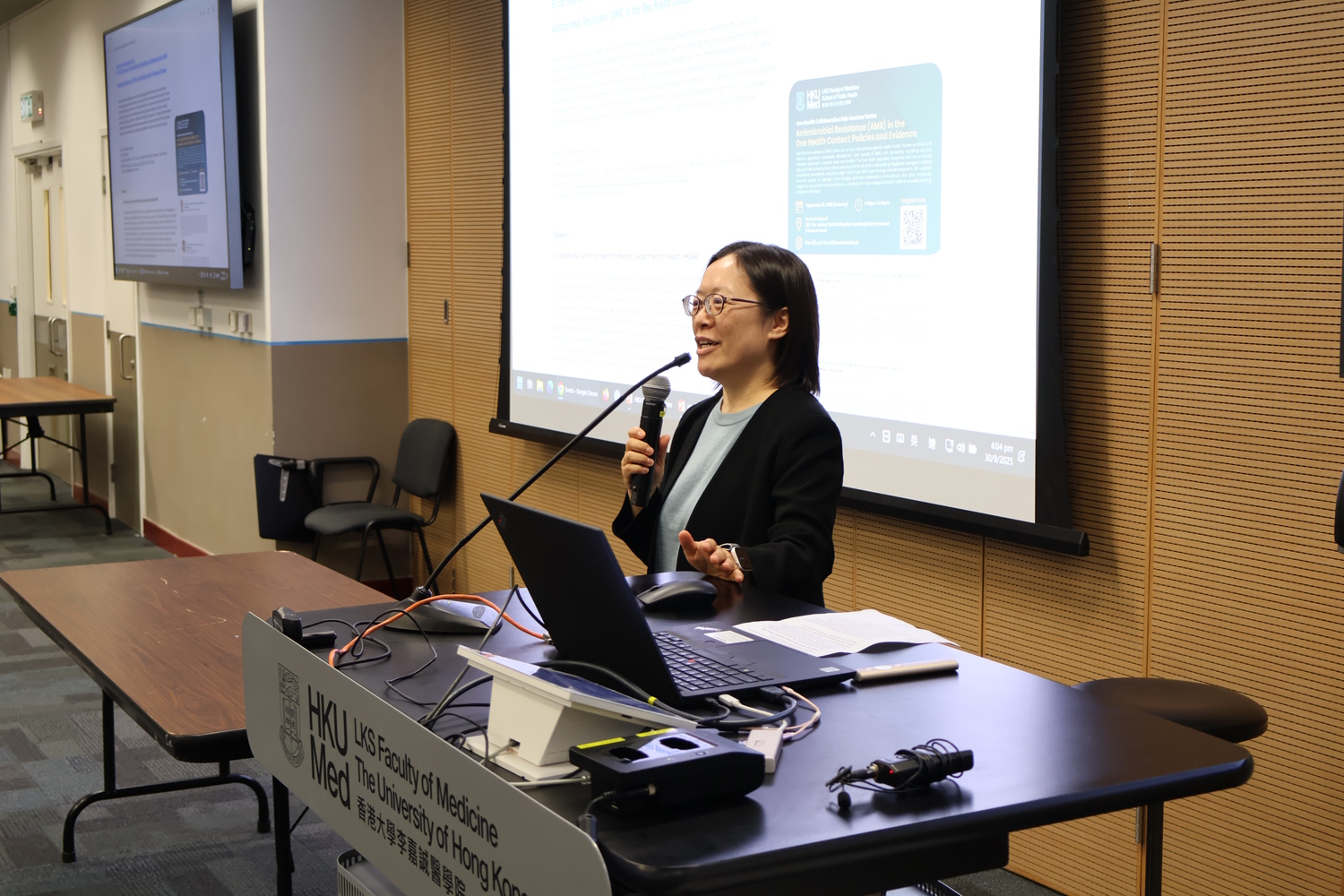
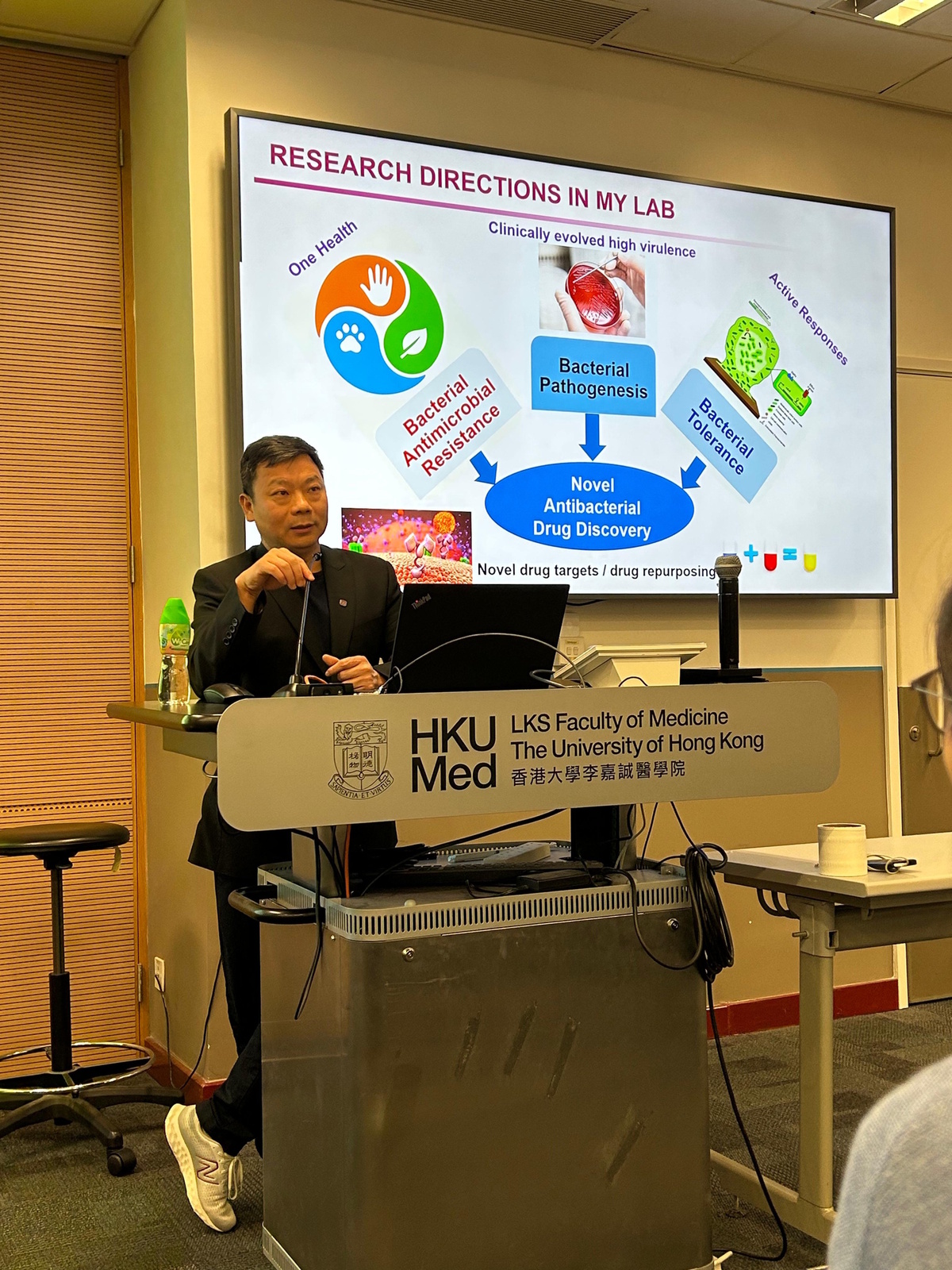
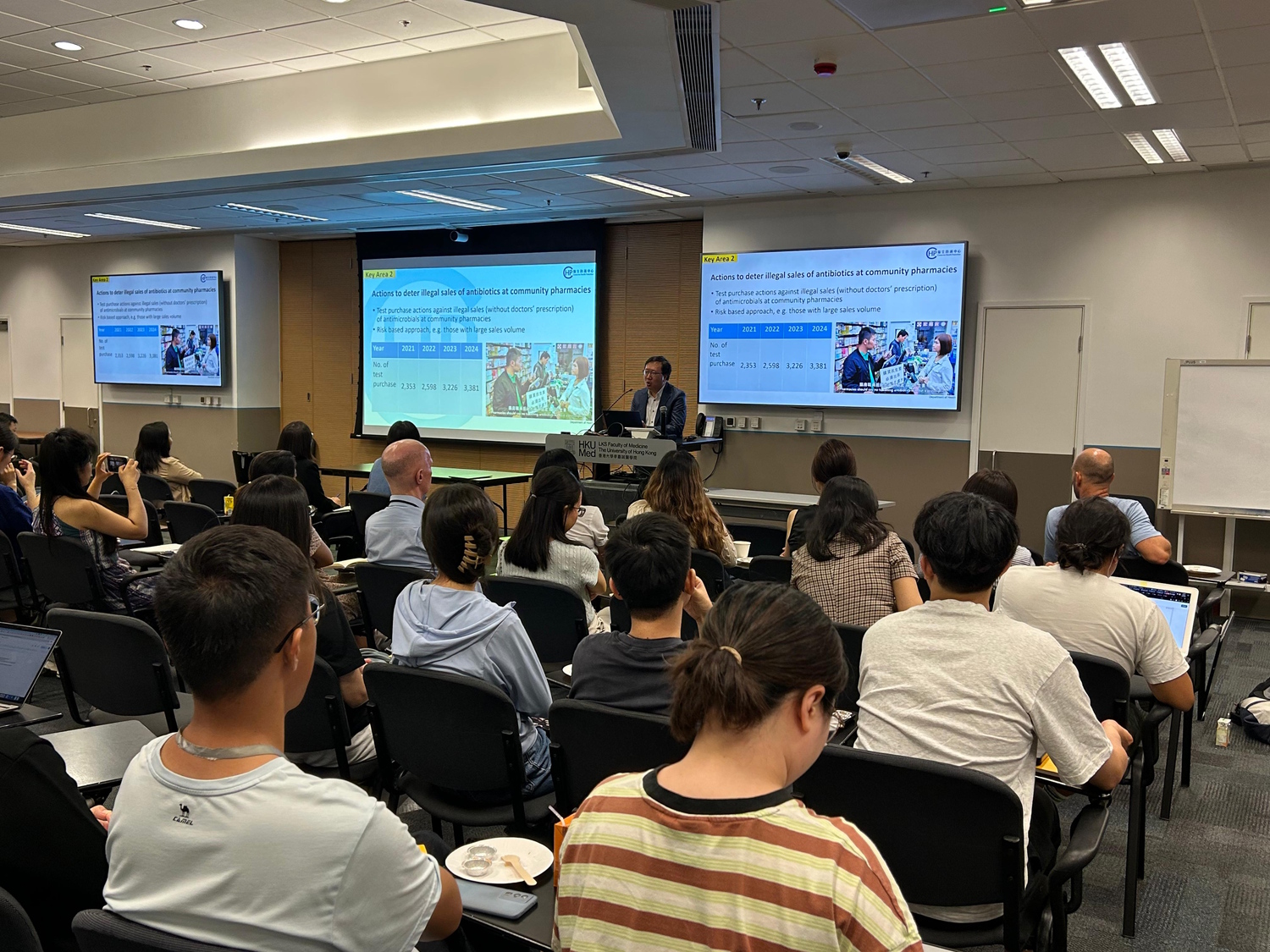
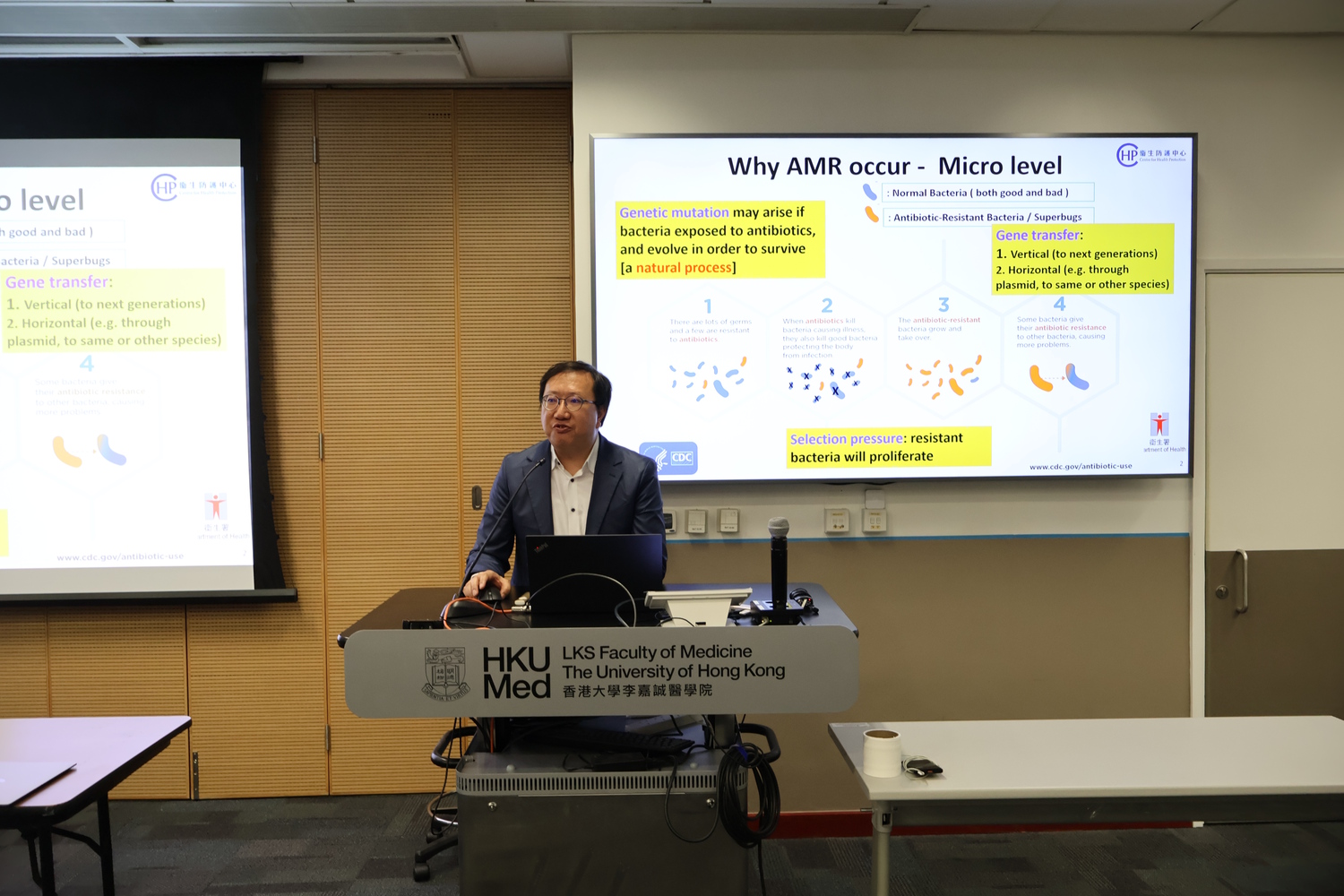
The SPH One Health Hub recently hosted a seminar titled “Antimicrobial Resistance (AMR) in the One Health Context: Policies and Evidence”, bringing together over 60 participants for an engaging discussion. The seminar featured Dr Edmond S.K. Ma from the Centre for Health Protection of the Department of Health, the Hong Kong Special Administrative Region of the People’s Republic of China (HKSAR); and Professor Sheng Chen, Chair Professor in Microbiology and the Head of the Department of Food Science and Nutrition at the Hong Kong Polytechnic University.
Antimicrobial resistance (AMR) remains one of the most pressing global health threats. Human activities and intensive agriculture exacerbate development and spread of AMR, with increasing multidrug-resistant infections observed in hospitals and communities. The One Health approach recognises the interconnected nature of AMR across human, animal, and environmental sectors, advocating integrated strategies including surveillance, stewardship, and policy alignment to curb AMR issues through shared ecosystems.
This seminar provided a platform for experts to highlight these linkages, promote collaborative interventions, and drive actionable insights for policymakers and practitioners, ultimately aiming to safeguard public health in a rapidly evolving ecological landscape. The event concluded with an engaging Q&A session moderated by Professor Peng Wu, Associate Professor of our School and the One Health Hub team member.
Orientation Week
Welcome to School of Public Health Family
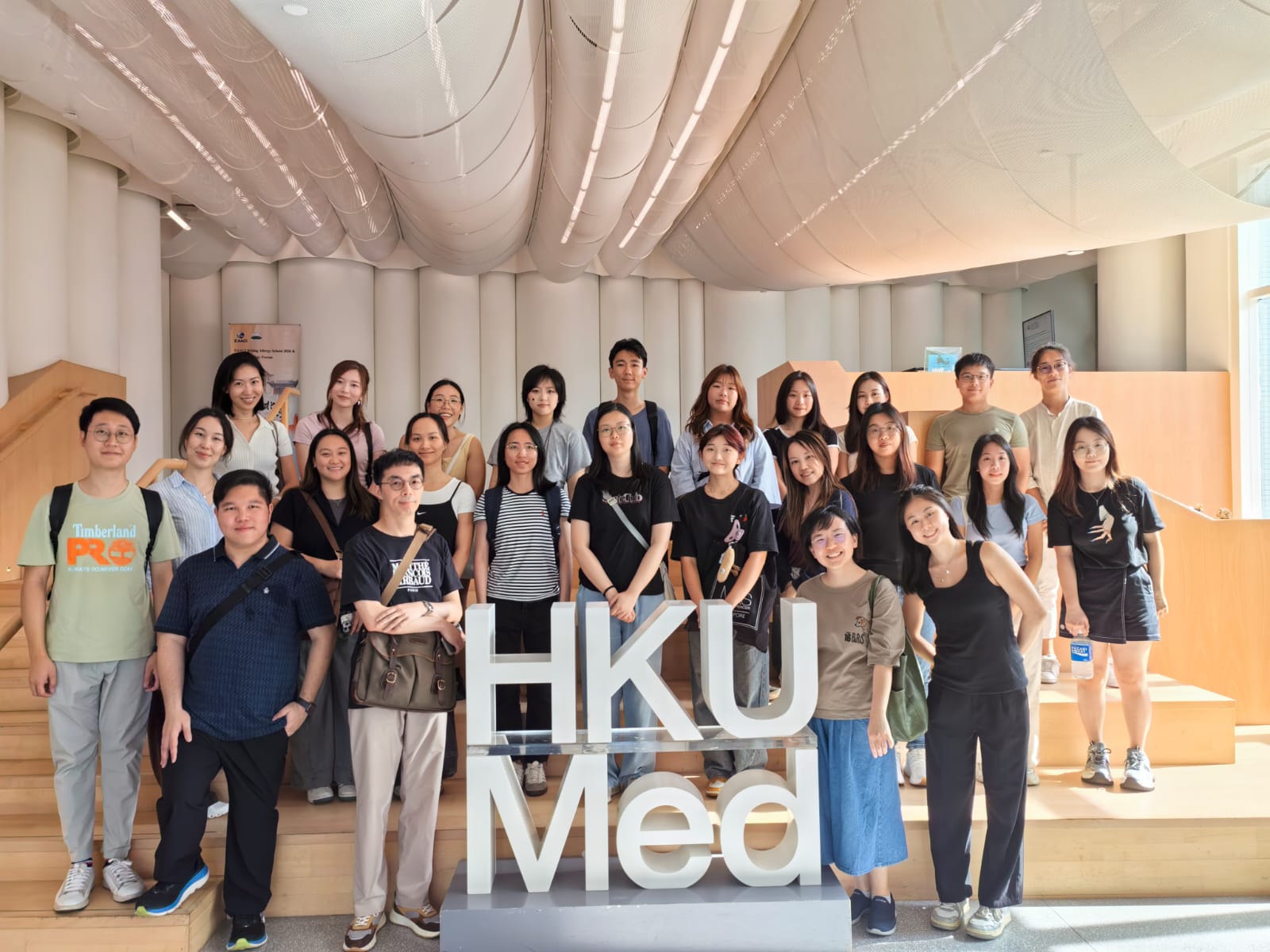
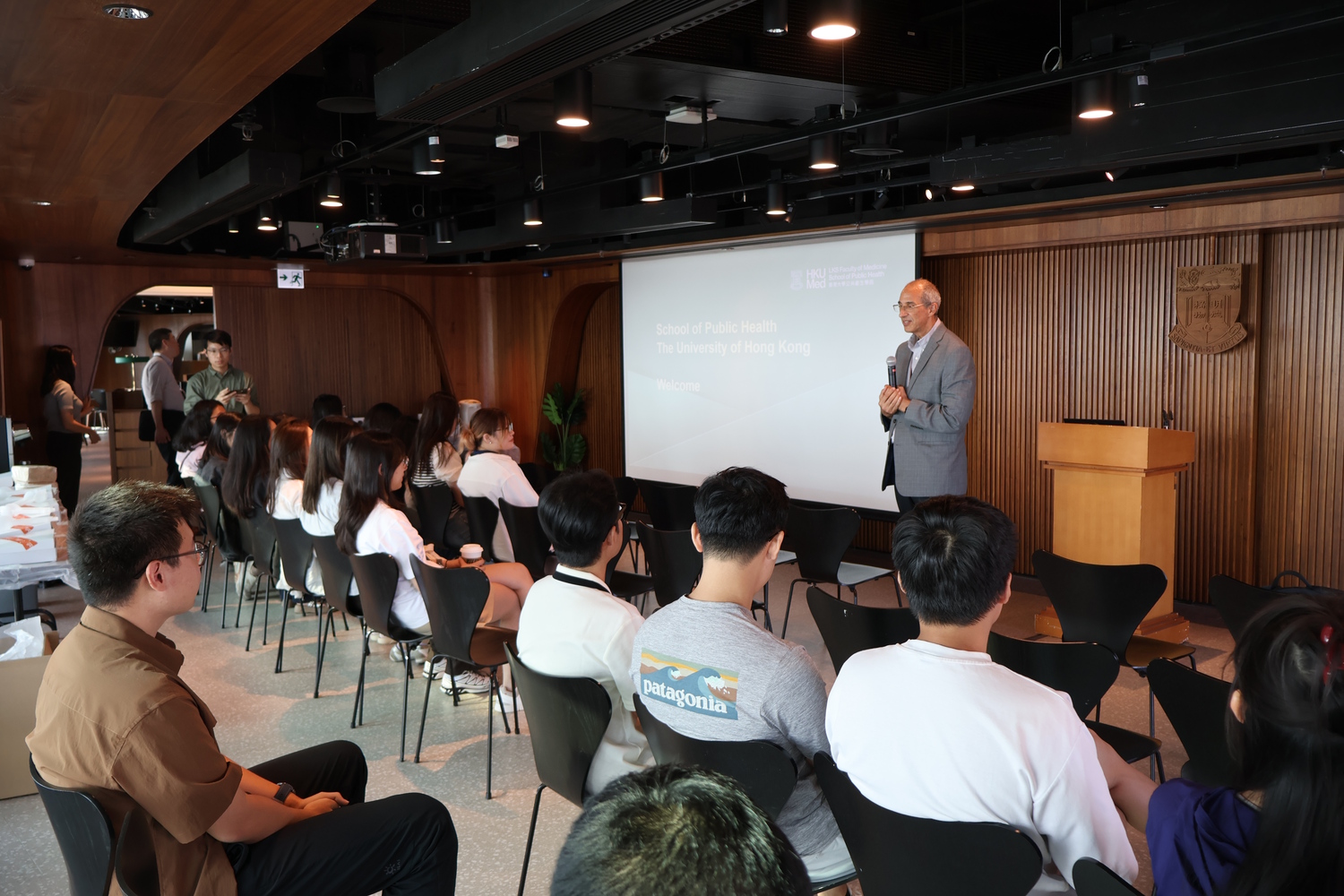
We are thrilled to greet our new cohorts of BASc in Global Health and Development (GHD), Master of Public Health (MPH), and Research Postgraduate (RPg) students and welcome them to our School. Orientation Week was a vibrant start to students’ academic journey; it was filled with insightful sessions, engaging activities, and opportunities to connect with peers and our School.
BASc(GHD)
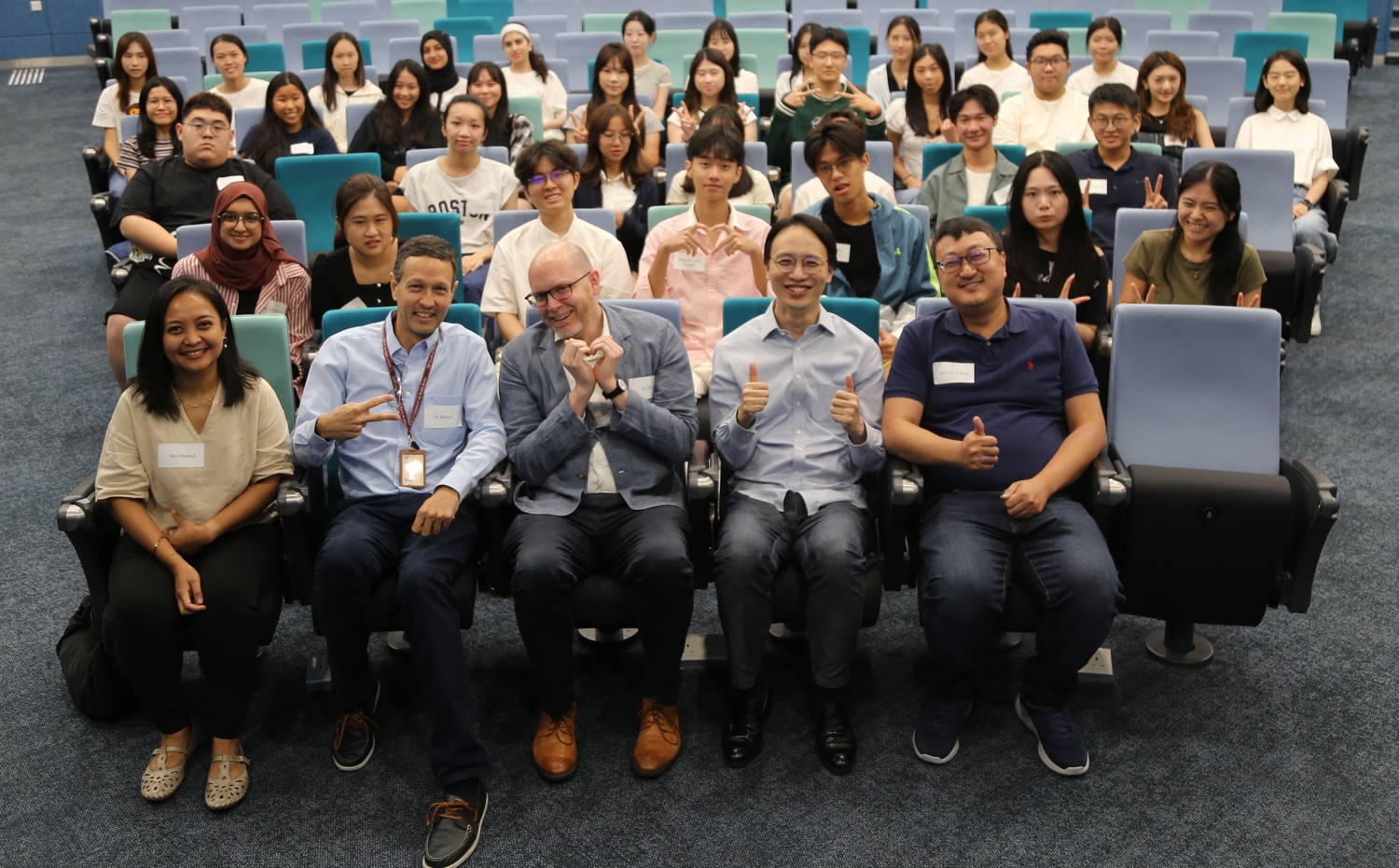
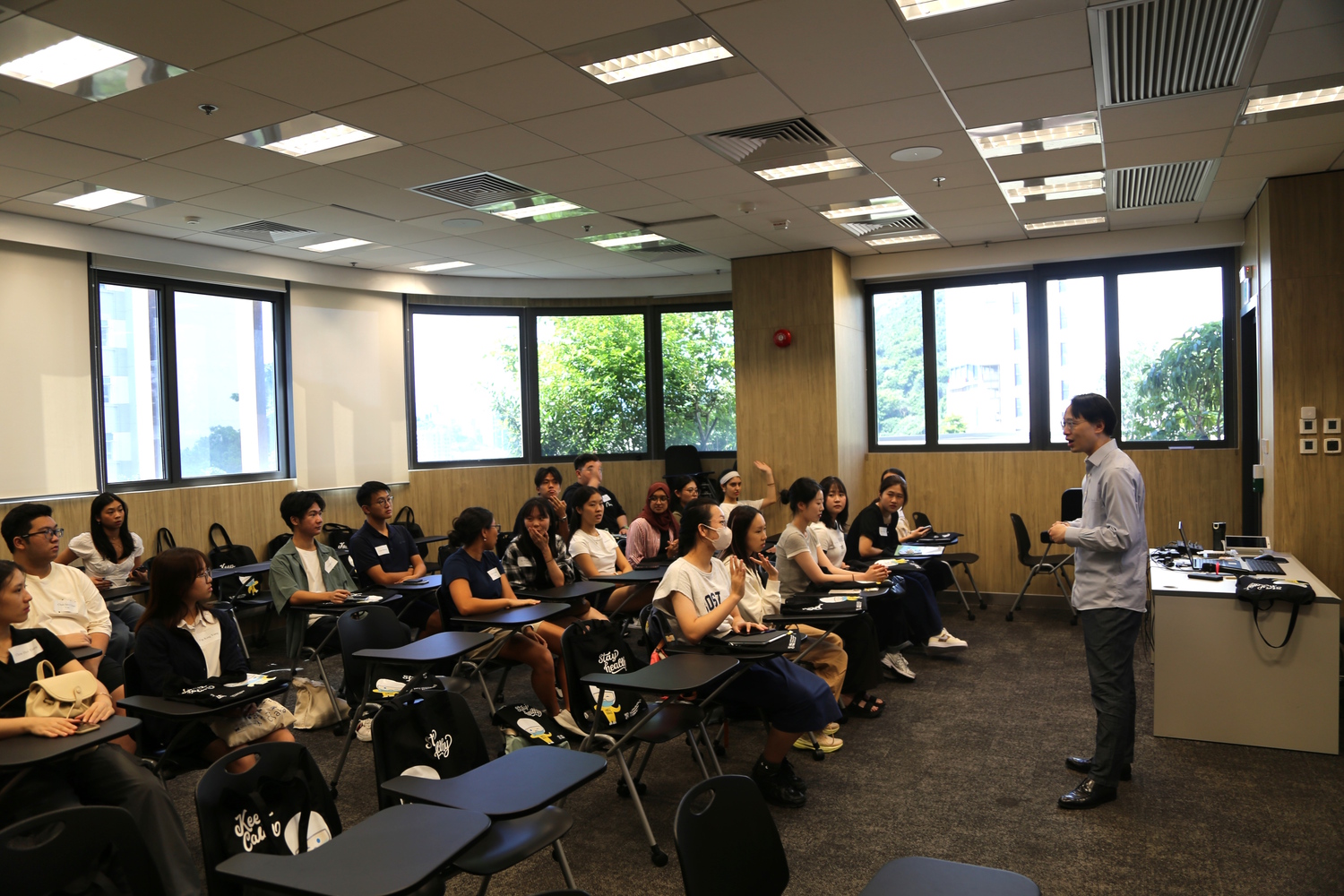
We are excited to announce that 41 students have been admitted to the BASc(GHD) programme in the 2025-2026 academic year. Apart from local students, there are also students coming from Morocco, the USA, the Philippines, Israel, South Korea, the Chinese Mainland, and Macao. The students attended a welcoming session with the Programme Director, Professor Pui-hong Chung, and other GHD teachers, including Professor Ryan Au Yeung, Dr Luis Bernal, Mrs Baikong Mamid, and Dr Andrew Park. During the programme induction, Professor Chung shared highlights of the BASc(GHD) curriculum and the importance of academic integrity. Students also had the chance to connect with the GHD Society and bond with fellow classmates.
MPH
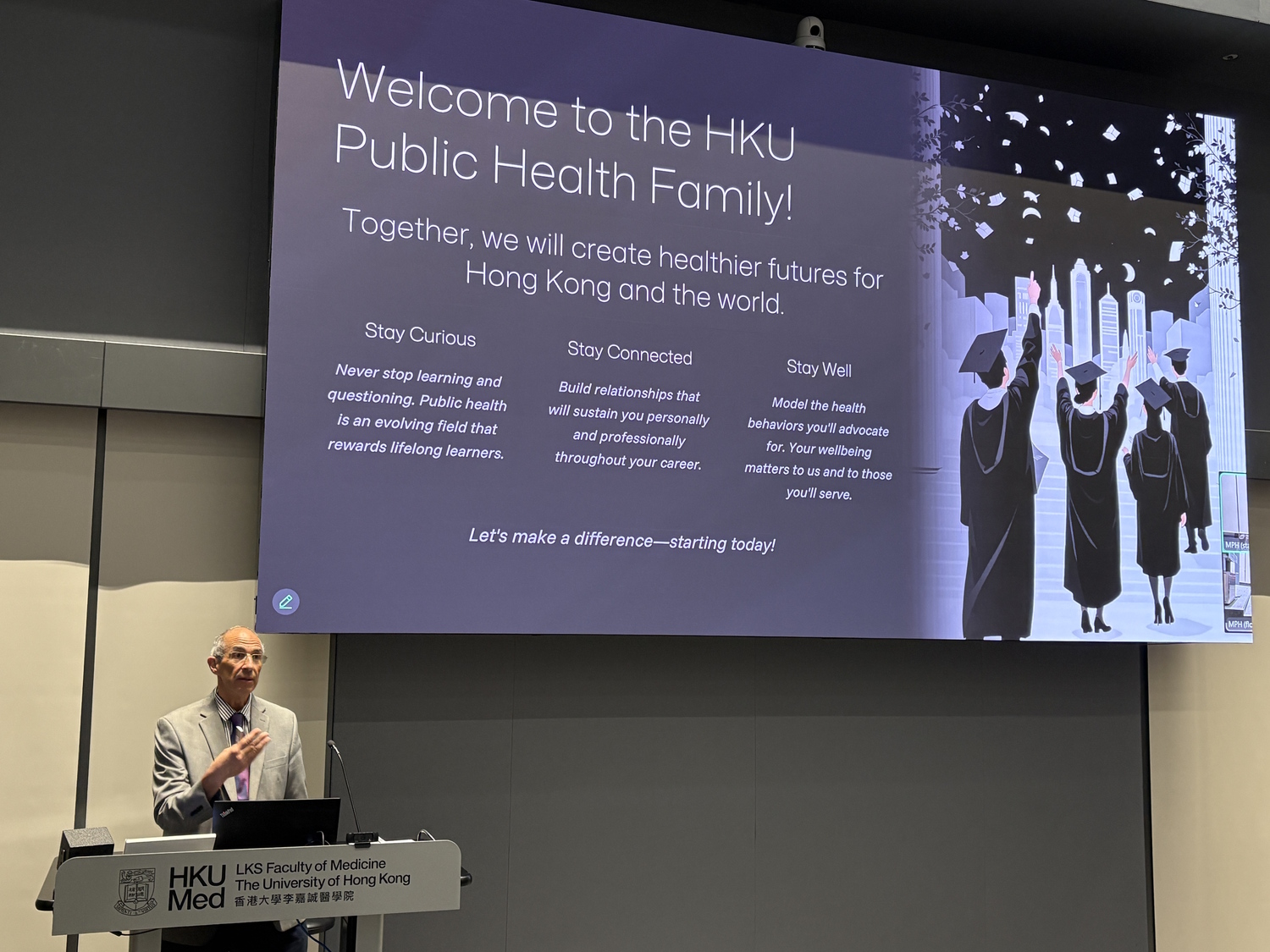
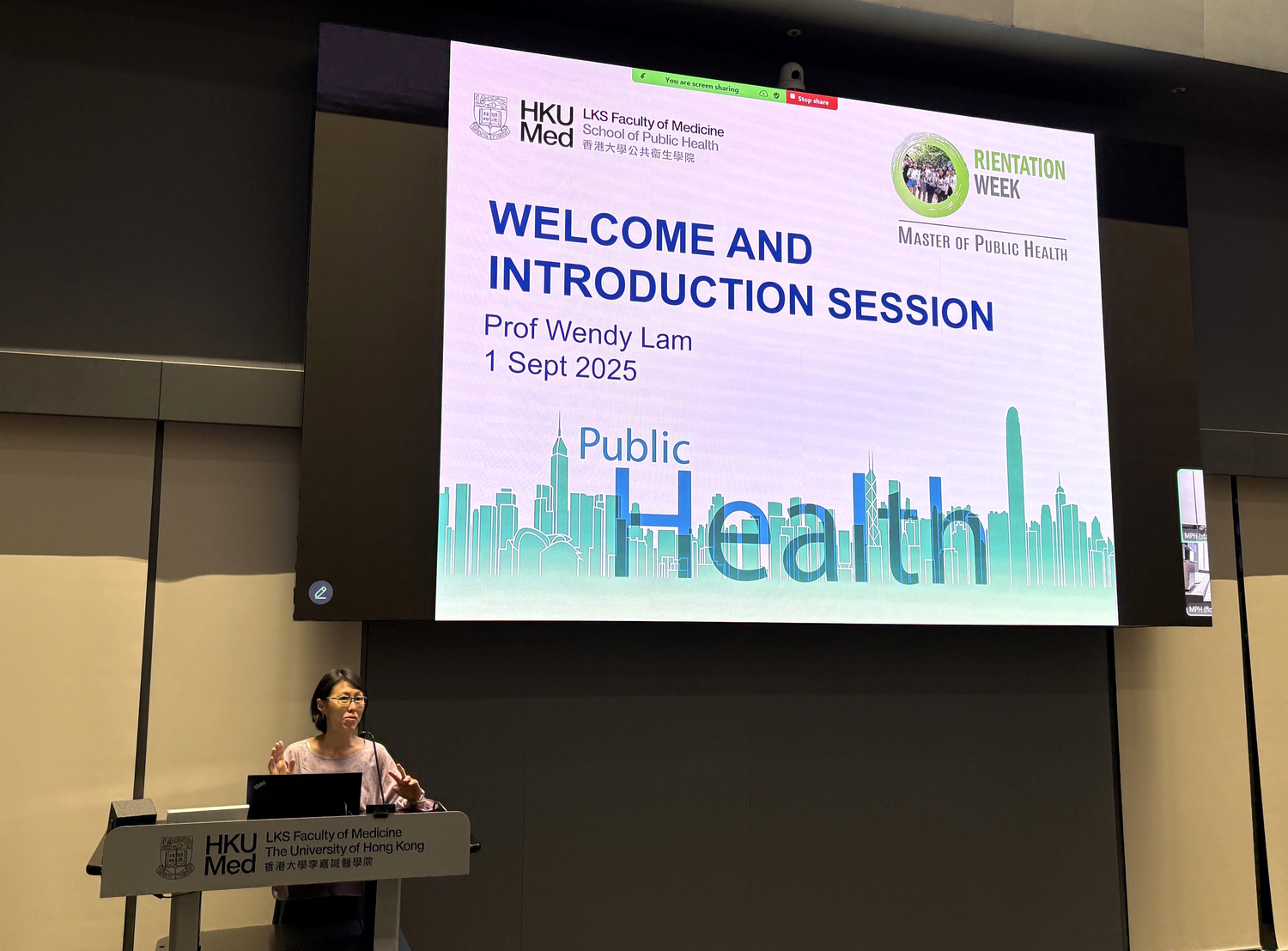
The event’s highlights included an inspiring welcome address by our School Director and Clinical Professor, Professor David Bishai; an MPH alumni sharing session, and a medical campus tour of our laboratories and facilities. This year, we were proud to welcome a diverse cohort of 206 new students from across the globe, including Asia (the Chinese Mainland, Hong Kong, South Korea, Myanmar, the Philippines, Taiwan China), Europe (Portugal, Slovenia), and North America (USA). This diversity reflects the global reach and inclusive spirit of our programme.
RPg Orientation
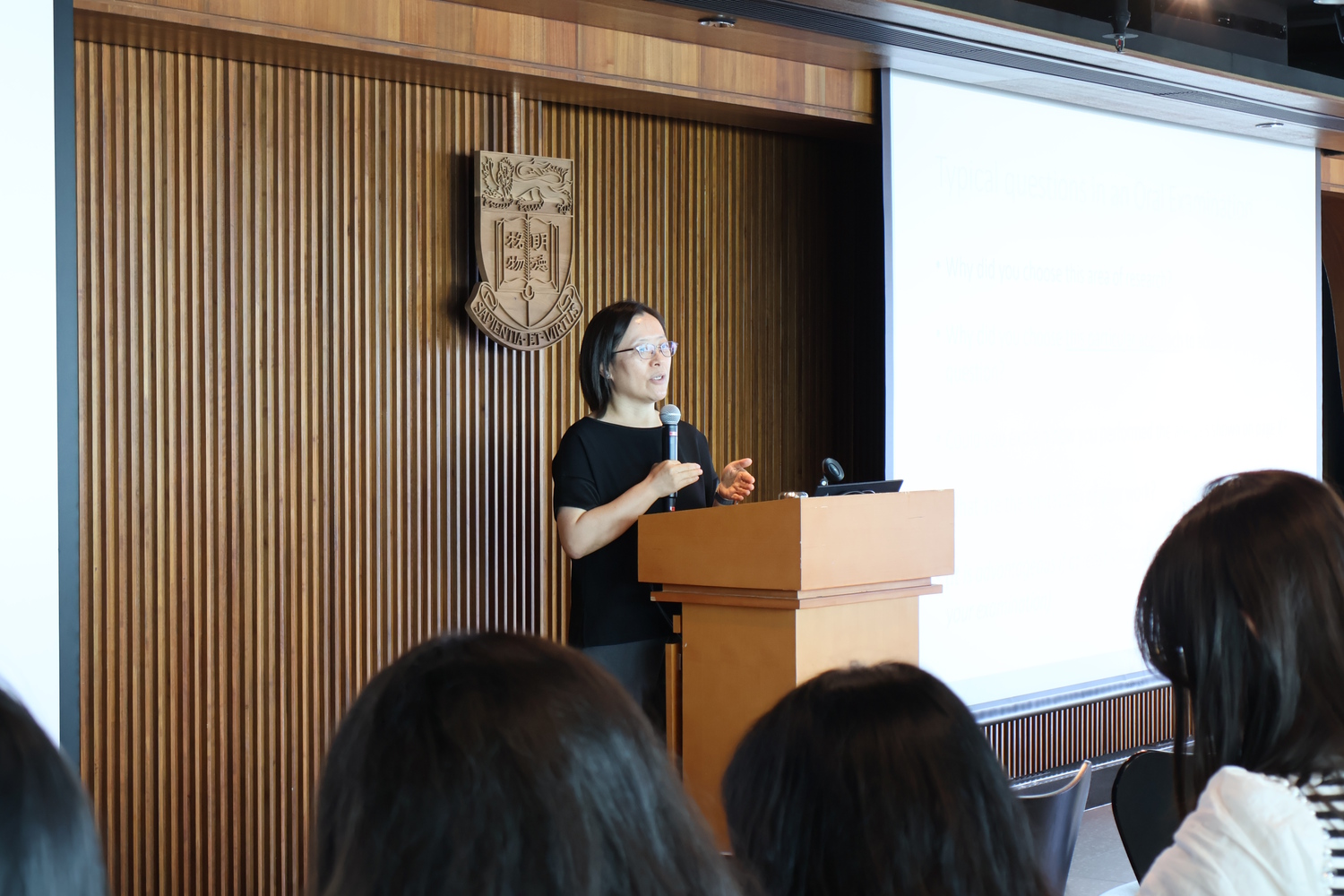
We are delighted to welcome our 33 new RPg students from the Chinese Mainland, Hong Kong, and Myanmar to our SPH family. During the Orientation Session, they had the opportunity to meet our School Director and Clinical Professor, Professor David Bishai, and Professor Peng Wu representing the Chairman of Departmental Research Postgraduate Committee (DRPC), along with current RPg students. The speakers provided an in-depth introduction to the programme and shared inspiring words for the journey ahead.
IN THE MEDIA |
SCMP Spotlight:
Professor Malik Peiris on Pandemic Preparedness
Next Pandemic Inevitable, Top Hong Kong Virologist Says, and the World May Not Be Ready
The South China Morning Post recently published an interview with Professor Malik Peiris, our School’s Emeritus Professor and Honorary Clinical Professor, whose significant contributions to public health and virology earned him the 2021 Future Science Prize in life sciences.
Professor Peiris, who played a key role in identifying the SARS virus in 2003, warns that respiratory viruses like influenza and coronaviruses continue to pose the greatest global threat, with risks rising due to intensive livestock farming, global travel, and exotic pet trade.
He emphasises the importance of a holistic “one-health” approach that integrates human, animal, and environmental health. Successful interventions, such as restructuring live poultry markets in Hong Kong and vaccinating poultry, have already shown how science-based policies can help reduce outbreaks.
Strengthening global coordination through WHO, investing in pathogen research, and prioritising prevention are essential steps forward we must take to prepare for the next inevitable pandemic.
To read the news, please click here for the link to South China Morning Post.

National Recognition for HKU State Key Laboratories
SKL of Emerging Infectious Diseases Honoured with Prestigious Plaque
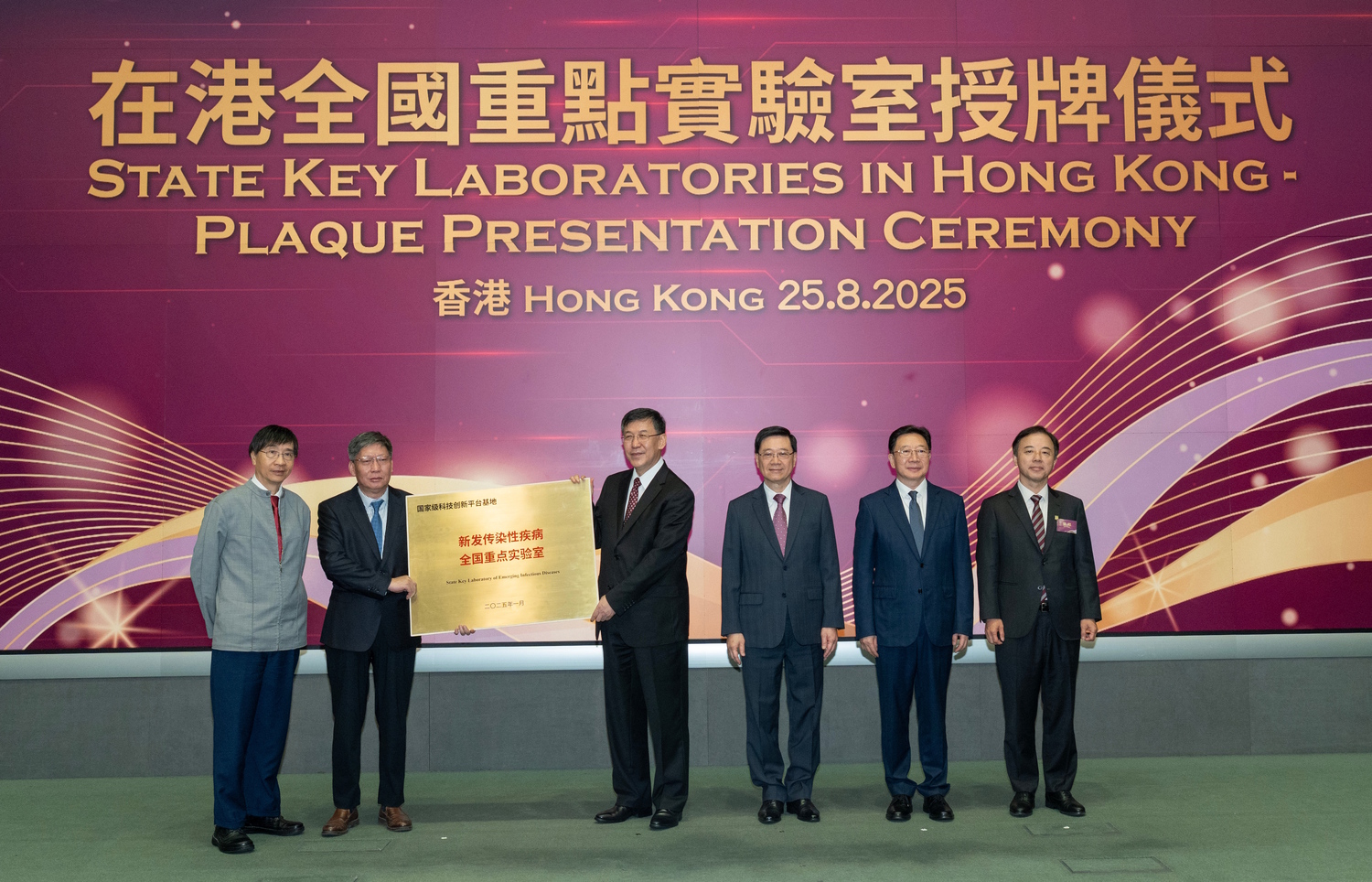
We are pleased to announce that the State Key Laboratory (SKL) of Emerging Infectious Diseases, led by Professor Guan Yi, Chair Professor of Emerging Viral Diseases of our School, and Professor Yuen Kwok-yung, Henry Fok Professor in Infectious Diseases and Chair Professor of Infectious Diseases of the Department of Microbiology, School of Clinical Medicine, was among the five HKU State Key Laboratories honoured with plaques by the Ministry of Science and Technology.
The presentation ceremony was officiated by Mr Yin Hejun, Minister of Science and Technology; Mr Zhou Ji, Director of the Liaison Office of the Central People’s Government in the HKSAR; and Mr John Lee Ka-chiu, Chief Executive of HKSAR.
Established in 2005, the SKL of Emerging Infectious Diseases stands as the first facility of its kind, integrating monitoring and early warning systems, foundational and clinical research, and applied translational studies. The lab continues to play a critical role in pandemic preparedness, making significant contributions to public health both locally and internationally.
For details, please click here.
RESEARCH INSIGHTS |
Hand, Foot, and Mouth Disease
Recent Research Unlocks Patterns of HFMD in Hong Kong and South Korea
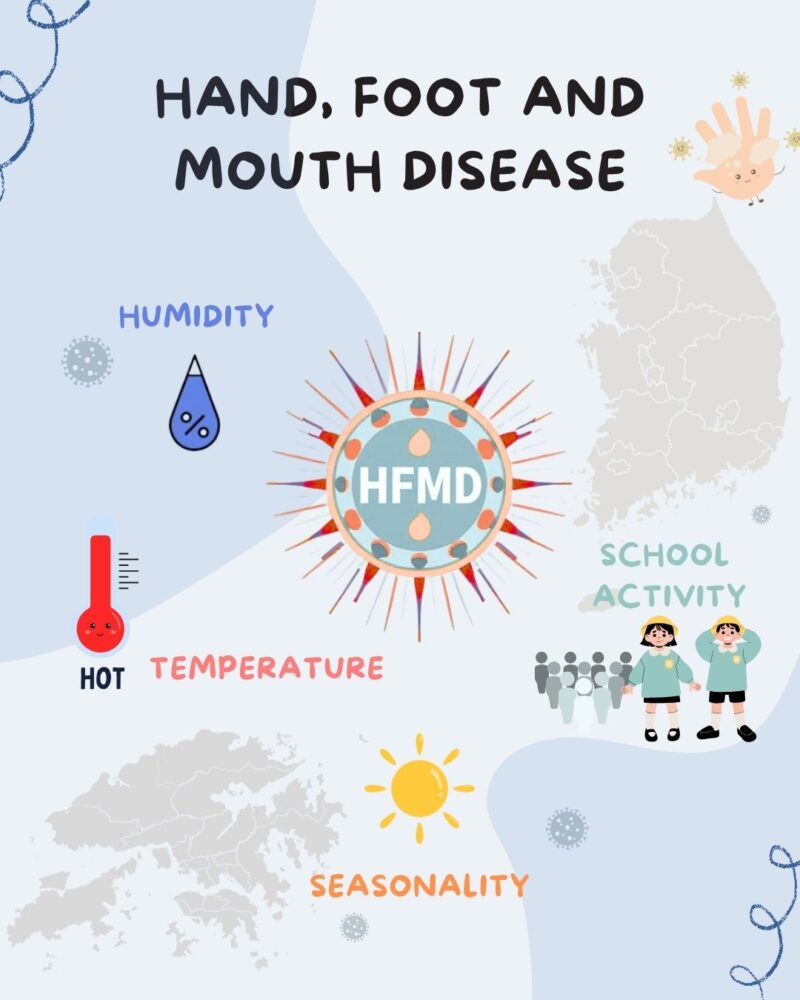
A recent study by Professor Sheikh Taslim Ali and Mr Zixuan Yao from our School, in collaboration with Professor Sukyun Ryu, Assistant Professor of the Department of Preventive Medicine, The Catholic University of Korea, provided new insights into the transmission dynamics of Hand, Foot, and Mouth Disease (HFMD) in Hong Kong and South Korea. By analysing over a decade of surveillance data, the research team uncovered how environmental and social factors influence the spread and seasonality of this contagious illness, which primarily affects young children.
The study reveals that while HFMD circulates year-round in Hong Kong with multiple peaks, South Korea experiences a more seasonal pattern, with a prominent peak in late spring to early summer. Importantly, the study identified key drivers, such as temperature, humidity, and school holidays, that significantly impact the disease’s transmissibility. The findings highlight a non-linear, inverted U-shaped relationship between temperature, humidity, and HFMD spread, providing valuable insights for early warning systems.
This study not only enhances our understanding of HFMD epidemiology across different climates but also paves the way for more targeted prevention strategies. The findings were published in Journal of Infection and Public Health. [link to the publication]
Effectiveness of Influenza Vaccination in Hong Kong Children
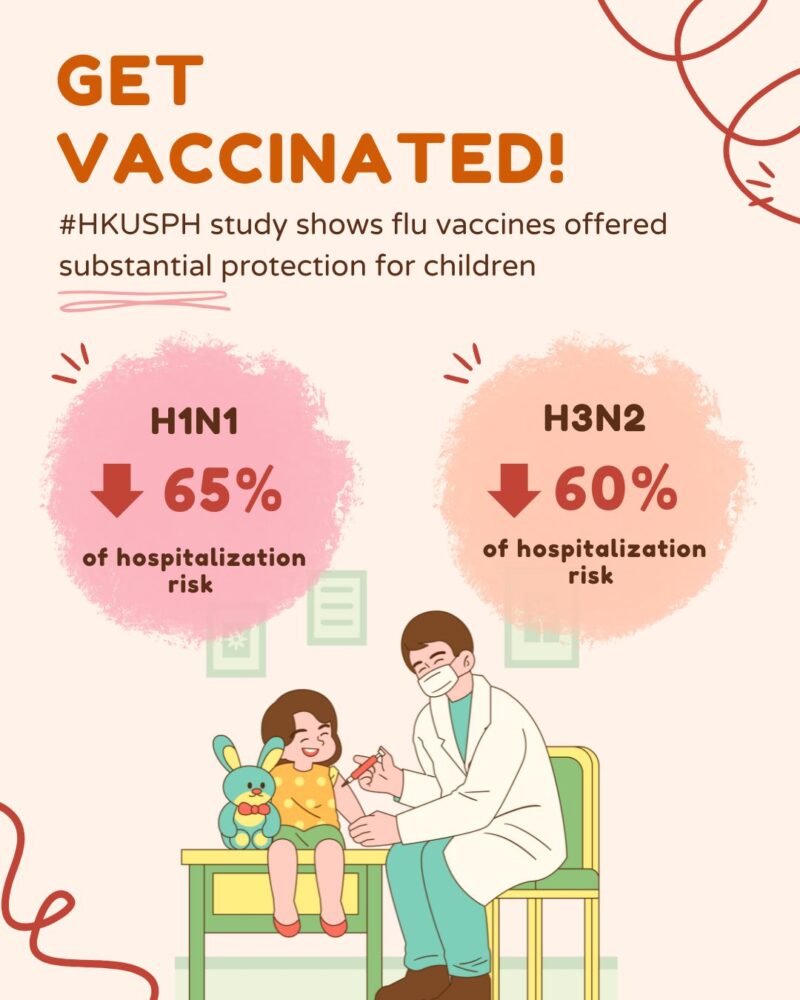
Reducing Hospitalization Risk by Nearly 65% for Influenza A(H1N1) and Nearly 60% for Influenza A(H3N2)
A recent study from our School has provided local evidence on the effectiveness of influenza vaccination in protecting children from hospitalisation due to influenza A virus infection. The study analysed data from over 1,200 children hospitalised with febrile acute respiratory illness in Hong Kong between December 2024 and March 2025.
The results showed that influenza vaccination was highly effective in preventing hospitalisation related to influenza A(H1N1) and A(H3N2) in children. The study found that the vaccine was 64.8% effective against hospitalisation associated with influenza A(H1N1) and 59.9% effective against those associated with influenza A(H3N2).
This research highlights the importance of continued vaccination efforts in Hong Kong, particularly for children who are more vulnerable to severe influenza-related complications. These insights provided evidence for shaping public health strategies and immunization policies.
The findings were published in Science Direct. [link to the publication]
Small Changes, Big Impact on Health
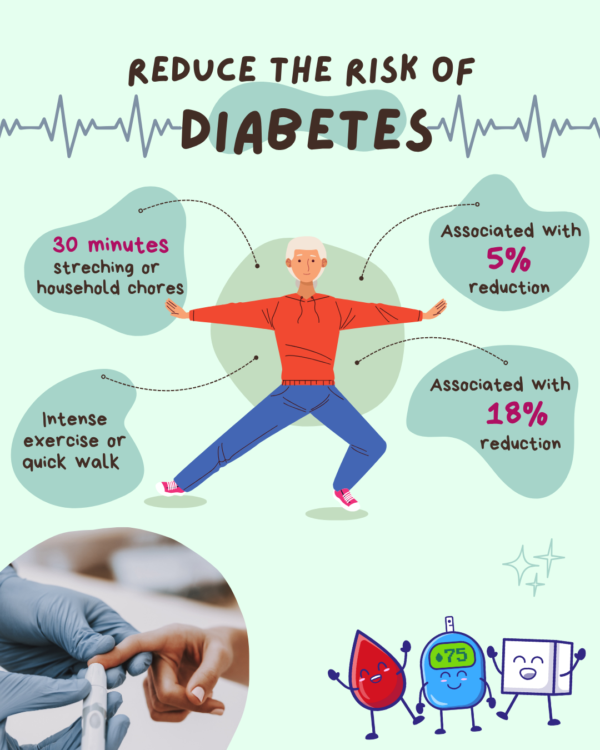
Replacing 30 Minutes of Sedentary Time with Light Physical Activity is Associated with a 5% Lower Risk of Type 2 Diabetes
A recent study by Professor Youngwon Kim and Dr Qiaoxin Shi from our School has revealed that replacing sedentary time with more active movement is associated with lower type 2 diabetes risk, regardless of genetic background. The study analysed data from over 73,000 individuals and found that even small changes can provide meaningful health benefits. For example, swapping 30 minutes of sedentary time for light or moderate physical exercise can make a difference.
Using smart wearable devices, the study tracked daily activities including sleep, sedentary behaviour, and different types of exercise. The results show that replacing sedentary time with light activities like walking or doing household chores is associated with 5% decrease in diabetes risk. Replacing it with more vigorous activities is linked to a much greater decrease in risk by 18%. The findings were published in Mayo Clinic Proceedings. [link to the publication]
SCHOOL SNAPSHOTS |
A Glimpse into Our School’s Identity
New Wall Decor Unveiled in North and South Wings
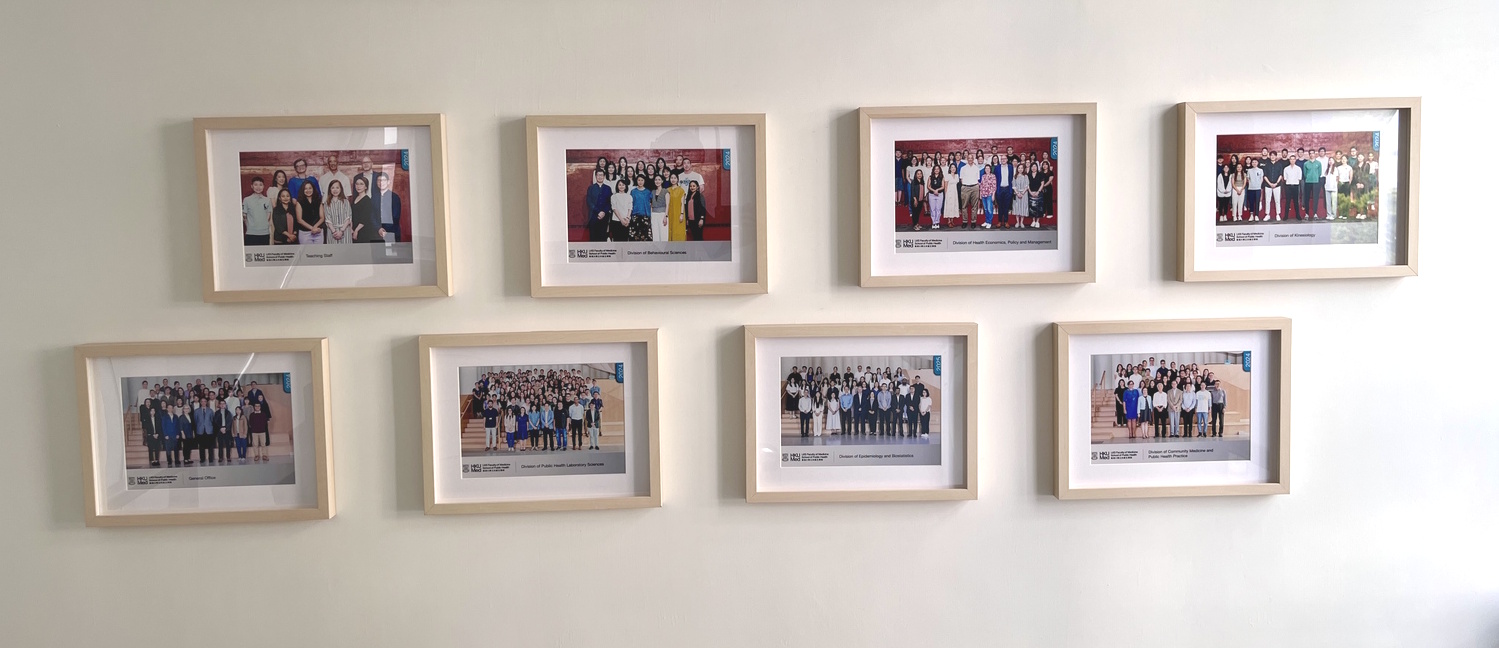
Deriving from the recommendations and collective wisdom of the Wall Decor Working Group, we are delighted to share that our School’s staircases have been refreshed with inspiring and meaningful visual displays, reflecting collective spirit and creativity.
In the South Wing staircases and the pantries on 1/F and 2/F, a collection of mindfulness-themed prints is displayed. Designed to promote a sense of calm and peacefulness, these artworks offer a moment of reflection amid our busy schedules. We hope they bring a touch of serenity to your daily routine.
Meanwhile, the North Wing staircases celebrate our shared journey through group photos of the Divisions, Teaching Staff and General Office. These images capture the strength of our community, highlighting collaboration, diversity, and the vibrant connections that define us.
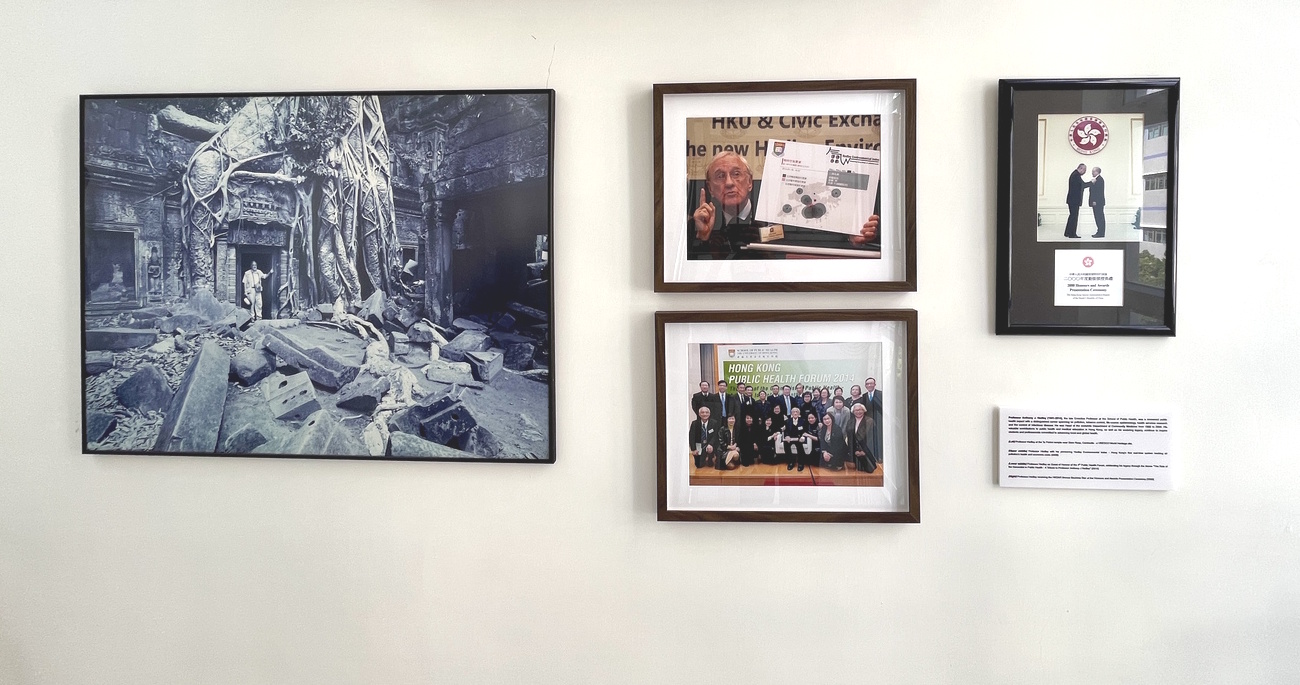
A very special feature has also been introduced: “Professor Hedley’s Corner”. This dedicated display includes a photograph taken by Professor Hedley during his travels, offering a unique glimpse into the world through his lens. Alongside these are cherished archival images from our School’s events, weaving together personal and institutional memories that span decades.
These installations are more than just decorations, they tell a story of who we are, what we value, and how we see the world. We invite everyone to take a moment to enjoy these new additions and appreciate the stories they help tell.

FOCAL MOMENT |
A Heartfelt Thanks to Professor Daniel Ho
Honouring a Collegiate Journey
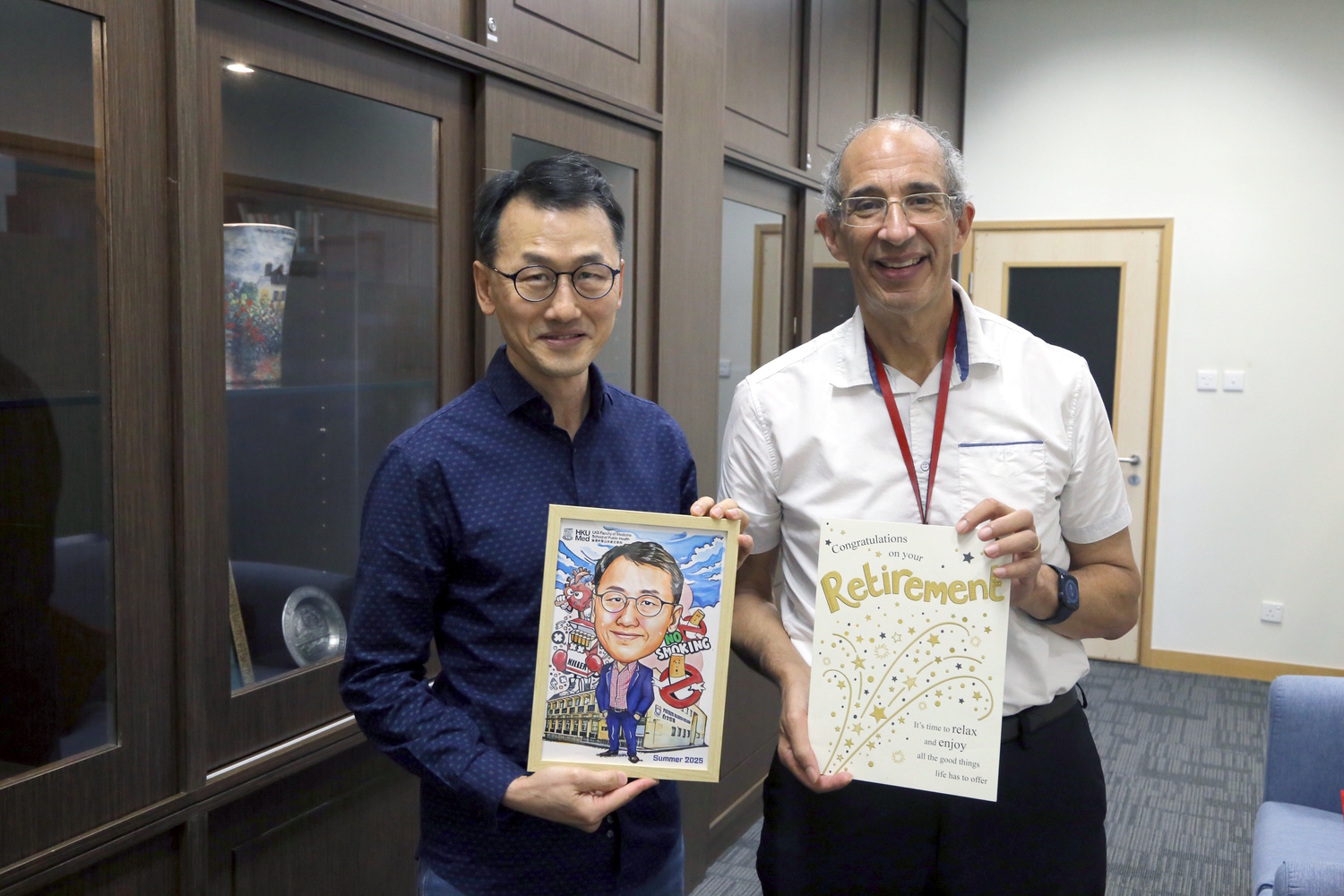
After many years of dedicated service, Professor Daniel Ho is retiring from his role as Associate Professor. He will continue to share his wisdom and expertise as an Honorary Associate Professor of the School.
Professor Ho’s career at HKU has been defined by a profound commitment to the understanding and improving the health of young people. His research has focused on the critical adolescent health issues of tobacco, alcohol, and obesity, and has provided invaluable insights through large-scale surveys in Hong Kong and Macao. His studies have explored the effects of second-hand smoke on smoking initiation and child health, the impact of parental drinking practices, and the complex risk factors related to adolescent obesity. From examining neighbourhood environments to developing innovative intervention studies, his work has consistently been driven by a desire to create tangible, positive change.
To express our gratitude for his years of dedication, Professor David Bishai, on behalf of the School, presented Professor Ho with a thank you card and a gift in appreciation of his contributions. We thank him for his lasting impact and look forward to his continued association with us.
Please join us in wishing Professor Daniel Ho all the best in his retirement.
KNOWLEDGE EXCHANGE |
Public Health Newspaper Column
Bringing Real-life Impact to Community

As an institution committed to sharing knowledge with the community, members of the School of Public Health contributed articles in the Faculty of Medicine’s weekly column of Oriental Daily News (東方日報). The following are articles (Chinese only) published in August and September 2025:
August 30, 2025
飲酒與心血管疾病及糖尿病的關係
Professor Ryan Au Yeung
Assistant Professor
September 6, 2025
啟發學習橋樑:職業醫學教育的創新之路
Dr Dana Vackova
Principal Lecturer
Dr Phyu Phyu Thin Zaw
Lecturer
Mrs Baikong Mamid
Tutor
September 13, 2025
肝癌復發及死亡風險 與長期病和服用藥物相關
Professor Zhou Jiandong
Assistant Professor (joint appointment with Department of Family Medicine and Primary Care and Department of Pharmacology and Pharmacy)
September 20, 2025
關心病人探訪計劃 建設更健康的香港
Professor Wendy Lam
Associate Professor and Head of Division of Behavioural Sciences
Dr Dana Vackova
Principal Lecturer
Ms Cecilia Tam
Lecturer
RESEARCH |
Publications in August and September 2025
Scholars’ Output Highlighted

The following are research papers published by SPH researchers in August and September 2025:
Journal of Virology
Zanin, Mark*; Flerlage, Timothy; Wong, Sook-San*; Vogel, Peter; Piza, Kristine; Schreiner, Patrick; Cheng, Zhongshan; Boyd, David F.; El-Shesheny, Rabeh; Jones, Jeremy C.; Chang, Ti-Cheng; Thomas, Paul; Webster, Robert; Webby, Richard
BMJ Global Health
Leung, Kathy*; Cook, Alex R.; Wu, Joseph T.*; Mcvernon, Jodie; Prem, Kiesha; Jit, Mark*; Kingkaew, Pritaporn; Mukhopadhyay, Siuli; Isaranuwatchai, Wanrudee; Pan-Ngum, Wirichada; Teerawattananon, Yot; Huang, Angkana; Djaafara, Bimandra; Sukmanee, Jarawee; Phuc, Thinh Ong; Laemlak, Saranyu; Chua, Vera W*.; Rattanavipapong, Waranya; Dabak, Saudamini Vishwanath
Expanding Psycho-Oncology Services in India: Perspectives From Physicians in Cancer Care Centres
Psycho-Oncology
Mathew, Bincy; Lam, Wendy W. T.*; Tiwari, Saipriya; Henry, Melissa
Heart Rhythm
Zheng, Jiazhen; Chen, Haowen; Yang, Quan; Zhou, Zhen; Yang, Chuang; Huang, Jinghan; Tu, Qiang; Wu, Haisheng*; Qiu, Peng; Huang, Wenbo; Shi, Wenming; Chen, Mifen; Liu, Huamin; Shen, Junchun; Tang, Shaojun
Gerontologist
Lou, Vivian Weiqun; Chan, Sonia Kin Lai; Tang, Vera Mun Yu; Chandola, Tarani; Chan, Wai Sze; Quan, Jianchao*; Lum, Terry Yat Sang; Tsoi, Tom Chun Wai; Lin, Wendie Wenyi; Leung, Dara Kiu Yi
Comparisons of Preferences Toward EQ-5D-Y-3L Health States Between Adult Own and Child Perspectives
Value in Health
Au, Ivan C.H.*; Luo, Nan; Yang, Zhihao; Purba, Fredrick D.; Rivero-Arias, Oliver; Cheung, Prudence W.H.; Cheung, Jason P.Y.; Wong, Eliza L.Y.; Wong, Carlos K.H.*
Journals of Gerontology – Series A Biological Sciences and Medical Sciences
Yuen, Jacqueline K*; Bernacki, Rachelle; Chan, Felix H. W; Chan, Tuen-Ching; Chow, David T. Y; Shea, Yat-Fung; Ng, Betty L. H; Chan, Karen M. K; Li, Xue; Shi, Qi-Man; Luk, James K. H
Diabetes, Obesity and Metabolism
Liu, Aidi*; Shao, Yumeng*; Chen, Jiayin; Ng, Carmen S.*; Wu, Yanyan*; Xiong, Xuechen*; Lam, Cindy L. K.; Wan, Eric Y. F.*; Quan, Jianchao*
Environmental Pollution
Wu, Haisheng*; Lin, Zengxian; Zhang, Chunren; Jiang, Yuxing; Bai, Liming; Zheng, Jiazhen; Wei, Suosu; Deng, Chunxia
Pharmacoepidemiology and Drug Safety
Fan, Min; Blais, Joseph E.*; Wong, Ian C. K.; Zhao, Jesse; Cheung, Ka Shing; Chan, Esther W. Y.; Wong, Angel Y. S.; Chui, Celine S. L.*
Long-Term Surveillance of Avian Coronaviruses from Wild Bird in South Korea
Current Microbiology
Kim, Chae-Eun; Le, Tran Bac; Hong, Eun-Kyo; Kim, Jeong-Eun; Wong, Sook-San*; Cho, Hae-Jin; Jeong, Dae Gwin; Mark, Zanin; Yoon, Sun-Woo
Remarks:
* Member of School of Public Health, The University of Hong Kong
- This list is compiled by searching in Scopus using the keywords “School of Public Health, LKS Faculty of Medicine, The University of Hong Kong” for August and September 2025
- Arranged by date of publication