
e-Bulletin July 2026
MILESTONES |
Sir Patrick Manson: The Father of Tropical Medicine and His Enduring Legacy
Architect of Global Health and Founder of Hong Kong’s Medical Education
Everyone knows the School of Public Health is located at the Patrick Manson Building on 7 Sassoon Road, but are you aware of our deep-rooted connection to Sir Patrick Manson, the “Father of Tropical Medicine”? A Scottish parasitologist and pioneer in the field of tropical medicine, Sir Patrick Manson’s legacy is deeply woven into Hong Kong’s medical heritage, continuing to inspire our School’s mission to advance public health in Asia and beyond.
Sir Patrick’s relationship with Hong Kong began in 1883 when he arrived in Hong Kong and established a successful private practice. His commitment to advancing medical education led to a landmark achievement in 1887 – the founding of the Hong Kong College of Medicine for Chinese, where he served as its first Dean. This institution was the precursor to the HKU LKS Faculty of Medicine and trained Dr Sun Yat-sen, who was among Sir Patrick’s first students. Through this endeavour, he laid the very foundation for Western medical education in Hong Kong.
Sir Patrick’s most transformative contribution to global health was his ground-breaking discovery in 1877 that insects transmit diseases to humans. While working in Amoy (now Xiamen), he proved that mosquitoes were the intermediate host for the parasite causing elephantiasis (filariasis). This revolutionary finding shifted the medical understanding of tropical diseases from atmospheric causes to infectious, insect-borne processes, transforming treatment and prevention strategies worldwide. He was also the first to hypothesise that mosquitoes transmit malaria, mentoring Ronald Ross in India, who later proved the theory and was awarded the Nobel Prize for the discovery in 1902.
After returning to London, Sir Patrick founded the London School of Hygiene & Tropical Medicine in 1899, which remains a world-leading institution today. However, his influence continued to shape Hong Kong through the establishment of the Alice Memorial Hospital, where he played an instrumental role in bringing modern medical care to the local community. In an unusual yet impactful endeavour, he also imported cows from Scotland to Pokfulam in 1886 to establish the Dairy Farm company, providing safe, disease-free milk to Hong Kong’s residents – a true testament to his holistic understanding of public health.
Today, Sir Patrick’s name lives on at HKU through the Patrick Manson Building, and globally through the Schistosoma mansoni parasite and the prestigious Manson Medal, awarded to outstanding contributors to tropical medicine. As our School continues to address pressing health challenges in Hong Kong and across Asia, we draw inspiration from Sir Patrick Manson’s trailblazing spirit, dedication to education, and unwavering commitment to improving human health. His pioneering work reminds us that transformative change often begins at the intersection of scientific curiosity, compassion, and a steadfast belief in the power of education to shape a healthier future.
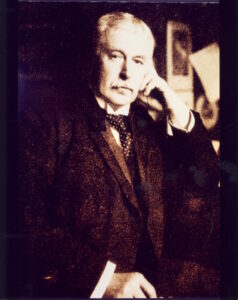 Sir Patrick Manson
HIGHLIGHTS |
Promotion of Professor Dennis Ip
Bridging Research, Education and Practice
We are pleased to announce the promotion of Professor Dennis Ip Kai-ming to Clinical Professor of Practice, effective July 2026. This well-deserved recognition reflects more than a distinguished track record; it acknowledges how Professor Ip’s leadership, research and teaching have become deeply interwoven with the School’s public health mission.
Professor Ip’s scholarly work on epidemic respiratory infections has always linked discovery with application. His translational efforts – ranging from novel surveillance methods to real-time policy input – have strengthened our capacity to respond to current and emerging threats. This is complemented by his stewardship of large, multidisciplinary initiatives, such as the HKJC Lung Cancer Screening Pilot Programme and the longitudinal cohort project with Nobel Laureate in Physics Professor Ferenc Krausz. Together, these programmes exemplify precision population health in action and provide authentic platforms for training the next generation of clinician researchers.
Professor Ip’s impact extends across curriculum, pedagogy, and professional training. He has shaped MBBS and MPH curricula, mentored trainees, and built robust training pipelines for Public Health Medicine, aligning education with frontline practice and policy needs. In service, his leadership on division, faculty, and national capacity‑building collaborations ensures continuity and coherence as we expand our offerings and partnerships.
This promotion solidifies the bridge between research excellence, education, and public health practice that defines our identity. The School extends our hearty congratulations to Professor Dennis Ip on this achievement.
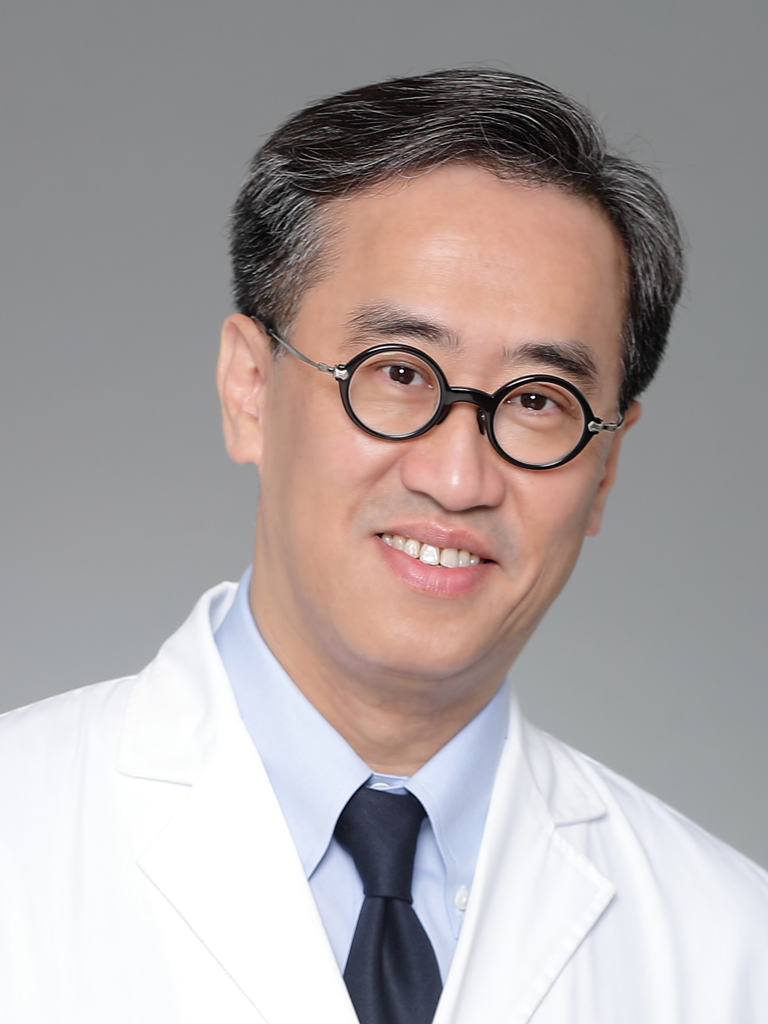
Welcoming Professor Danijela Gasevic
Building a Stronger Academic Future
We are delighted to share with you that Professor Danijela Gasevic has joined our School as Professor of Practice in the Division of Behavioural Sciences. She will also hold a joint appointment at the Bau Institute of Medical & Health Sciences Education of HKUMed.
Professor Gasevic joins us from Monash University, Australia, where she held several academic leadership roles including Head of Postgraduate Programs and Head of Professional Education Programs in the School of Public Health and Preventive Medicine. She has received numerous awards for her teaching and supervision, including the School Teaching Excellence Award and the Monash Graduate Association Lecturer of the Year Award. With over 130 peer-reviewed publications and recognition as a top 2% most-cited scientists, she brings exceptional expertise in research, curriculum development, and health professions education.
Her research focuses on chronic non-communicable diseases prevention, healthy ageing and the behavioural, social, and environmental determinants of health. She also developed and leads the globally renowned Massive Open Online Course (MOOC) Sit Less, Get Active, which has reached over 120,000 learners worldwide.
The School extends our warm welcome to Professor Gasevic.

Jockey Club End-of-Life Community Care Project: Unison (JCECC: Unison)
Advancing Palliative Care for People with Disabilities
We are pleased to announce that, effective July 2026, the Jockey Club End-of-Life Community Care Project: Unison (JCECC: Unison) will be integrated into the School of Public Health, with Professor Chung Pui-hong serving as the Project Director.
Initiated and funded by The Hong Kong Jockey Club Charities Trust, JCECC: Unison was officially launched in 2024. Building on the success of the original JCECC project, which since 2016 has supported over 23,000 elderly individuals and their families, this new project extends its scope to address the unique needs of people with physical or intellectual disabilities, as well as those in mental recovery, ensuring they and their caregivers receive quality community end-of-life care.
Hong Kong is home to over 530,000 people with disabilities, and research shows that this population faces even greater challenges than the elderly when dealing with terminal illnesses. Recognising this gap, the project adopts an evidence-based, cross-disciplinary approach to deliver holistic care that includes symptom management, psychosocial and spiritual support, and practical needs in both home and residential care settings. Over the next five years, JCECC: Unison aims to benefit more than 7,000 people with disabilities and their caregivers, while also training over 14,000 health and social care professionals and raising public awareness through workshops and community activities.
The project is implemented in partnership with The Chinese University of Hong Kong and ten NGO partners, including Caritas Hong Kong, Fu Hong Society, Haven of Hope Christian Service, Hong Chi Association, Hong Kong PHAB Association, Hong Kong Sheng Kung Hui Welfare Council, New Life Psychiatric Rehabilitation Association, SAHK, St. James’ Settlement, and Tung Wah Group of Hospitals.
Professor Chung Pui-hong, Clinical Associate Professor of Practice at our School and Assistant Dean (Health Sciences Programmes and Admissions) at HKUMed, will lead this initiative. He has served with the Department of Health of the Government of the Hong Kong Special Administrative Region of the People’s Republic of China, as well as with the World Health Organization. His leadership will be instrumental in advancing this collaboration and fostering synergy with our School’s strategic priorities in population health.
This integration represents a significant step forward in deepening our impact on end-of-life care and public health in Hong Kong.


Establishment of the Health Technology Assessment Collaboration Hub (HTA HUB)
Driving Value-Based Decisions and Sustainable Healthcare Innovation
We are pleased to announce the establishment of the Health Technology Assessment Collaboration Hub (HTA HUB). Anchored by our School, the Hub is strategically positioned to serve as the primary academic reference group for Health Technology Assessment in Hong Kong.
Rapid growth in health expenditure, driven by demographic ageing and emerging high-cost medical technologies, is placing unprecedented pressure on Hong Kong’s healthcare system sustainability. In response to major institutional shifts, such as changes to the drug formulary update process and the creation of the Institute for Medical Advancements and Clinical Excellence (IMACE), HTA HUB steps in to bridge a critical gap. It will promote the development of HTA as an interdisciplinary field.
Led by Professor Manuel Espinoza, along with a multidisciplinary team of local and international experts, the Hub will operate through three interrelated pillars:
- Research: Advancing methodological and applied health economic frameworks, including locally grounded cost-effectiveness thresholds and equity-focused evaluations.
- Training: Delivering specialised modular webinars, seminars, and workshops. In the long run, the Hub expects to broaden its training scope by developing training programmes for different target audiences such as professionals from the Health Bureau and Hospital Authority under the Government of the Hong Kong Special Administrative Region of the People’s Republic of China, industry partners, and postgraduate students.
- Interdisciplinary Collaboration: Internally, the Hub draws on the multidisciplinary expertise of our School to integrate epidemiological modelling, health economic evaluation, and clinical research within a cohesive research framework. Externally, it fosters collaborative networks spanning clinical, economic, epidemiological, and social disciplines, linking local healthcare stakeholders and regulators with leading global institutions.
In the long term, HTA HUB is envisioned as a platform that will position our School as the reference academic node for HTA in Asia. For more information, please contact the team at htahub@hku.hk .

World No Tobacco Day
Unmasking Industry Tactics, Empowering Families, and Pioneering a Smoke-Free Hong Kong
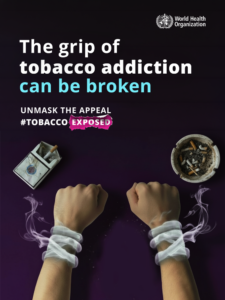 Visual credit: World Health Organization (WHO)
The tobacco industry continues to evolve its strategies – using synthetic nicotine and analogues to target youth, making the theme of World No Tobacco Day 2026, protecting young people from addiction, particularly urgent. In Hong Kong, second-hand smoke remains a major public health challenge. It exposes about one in three children at home and worsens respiratory diseases like asthma. Yet many parents remain unaware of the true extent of this impact.
To address this, the “Quit for Kids” initiative, led by Professor Sophia Chan Siu-chee of our School, combines home air quality monitoring, child saliva cotinine testing, and personalised support. By making invisible risks visible, the programme helps smoking parents quit, equips caregivers with communication skills, and raises children’s awareness to create truly smoke-free homes.
With an estimated 580,000 to 615,000 daily smokers in Hong Kong, quitting remains difficult, yet traditional healthcare training offers only fragmented support. To bridge this gap, our School now offers a new inter-professional course in smoking cessation counselling to undergraduate medical and pharmacy students at the HKU LKS Faculty of Medicine. Through comprehensive case scenarios and role-play, students gain practical experience evaluating nicotine dependence, managing withdrawal, and tailoring support based on patients’ readiness to quit. The training covers brief clinical advice, emerging alternatives such as e-cigarettes, and structured frameworks to drive more effective, coordinated patient outcomes. This initiative positions our graduates at the forefront of tobacco cessation, empowering them to lead healthier communities.
In terms of evidence-based policy advocacy, our School continues to lead the fight. Since the 1990s, our research has laid the scientific groundwork for Hong Kong’s tobacco policies. Most notably, Professor Lam Tai-hing and his team’s pivotal studies on second-hand smoke directly informed the landmark indoor smoking ban of 2007, shielding millions from involuntary exposure.
Looking ahead, our School remains committed to achieving a smoke-free Hong Kong. On World No Tobacco Day 2026, we reaffirm our dedication to developing innovative strategies, exposing harmful industry tactics, and creating environments where tobacco-free living becomes the norm for all.
EVENT SNIPPETS |
NIDO2026
A Historic First for Asia as Hong Kong Hosts Global Nidovirus Symposium
The XVII International Nidovirus Symposium (NIDO2026) has officially concluded, bringing the world’s foremost nidovirus researchers to Hong Kong for the first time in the conference’s history. Organised by our School and co-organised by the University of Tokyo, the four-day symposium was hosted at the Grand Hall of the Lee Shau Kee Lecture Centre, HKU Centennial Campus, from June 24-27, 2026.
This triennial flagship conference, which has long been a cornerstone event for exploring all facets of nidoviruses — including significant pathogens such as SARS‑CoV‑2, zoonotic SARS and MERS coronaviruses, common cold viruses, and impactful livestock viruses — made its historic debut in Asia at HKU.
The symposium opened with inspiring remarks from the NIDO2026 Co-Chairpersons, Professor Leo Poon from our School and Professor Kei Sato from the University of Tokyo. They were joined by Professor Hui-Ling Yen, Interim Director and Professor of our School, whose words set the stage for four days of intensive scientific exploration and exchange.
A key highlight of the programme was a panel discussion on “Global Perspectives on Epidemic and Pandemic Preparedness”, led by Professor Leo Poon. The session featured insights from Dr Frank Konings, Programme Director of the Hong Kong Jockey Club Global Health Institute (HKJCGHI) from the International Vaccine Institute (IVI), who shared the institute’s global vision. Additionally, Professor Ravindra Gupta, HKJCGHI Co-Director from the University of Cambridge, offered an expert analysis on SARS‑CoV‑2 evolution. Together, their insights powerfully illustrated how cutting‑edge scientific research translates into real‑world impact and policy.
With over 220 researchers coming together over four days to share their latest findings, the collective expertise on display fuelled significant scientific advancement. The spirit of collaboration across the global research community was truly remarkable.


Inaugural Global Health Educators Alliance Dialogue Workshop
Putting Students at the Table for Global Health’s Future
This June, world-leading voices in global health education gathered at HKU’s historic Main Building to shape the future of the field.
The Global Health Educators Alliance (GHEA) launched its first-ever workshop, sponsored by the Cyrus Tang Foundation and co-hosted by Professor Jennifer Bouey at Georgetown University and Professor David Bishai at our School. Faculty representatives from Georgetown University, HKU, and China’s elite C9 universities including Tsinghua University, Peking University, and Fudan University, packed two days of discussion into one urgent question: how can the world’s two largest higher education systems join forces to train the next generation of global health leaders?
Delegates left with a clear consensus. They recognised that their combined disciplinary breadth and professional expertise could be channelled into concrete action: co-developing shared case studies, drawing in diverse funding and top international talent, and forging China–US partnerships that place students directly in communities across the developing world.
The payoff will be hands-on, cross-cultural fieldwork. The next moves are already taking shape: a shared case-study repository built by the consortium, new funding pipelines, and expanded partner networks designed to send students into local communities worldwide to practise the skills that keep populations healthy.
By partnering with this alliance, HKU places its faculty and students at the forefront of shaping the future of global health.


Seminar by Professor Eric Finkelstein
The Economics and Psychology of End-of-life Care
On June 16, 2026, our School and its Health Aging Collaboration Hub led by Professor Jane Zhao, co-organised a seminar titled “The Economics and Psychology of End-of-life Care” featuring Professor Eric Finkelstein, Professor of Health Economics, Health Services Research and Population Health at Duke-NUS Medical School, Singapore, and the Duke University Global Health Institute, as well as Executive Director of the Lien Centre for Palliative Care at Duke-NUS Medical School, Singapore. Held at the HKU medical campus, the event saw an in-person participation of over 60 attendees.
The event commenced with opening remarks from Professor Hui-Ling Yen, Interim Director and Professor of our School. Professor Finkelstein unpacked the powerful economic and non-economic drivers pushing the over-medicalisation of death and dying. Drawing on his work for the Lancet Commission on the Value of Death, he shed light on why overtreatment at the end of life is rising globally, and how we can better align medical systems with what matters most to patients. He also addressed persistent inequities, noting that patients from poor or uninsured households are frequently underserved and systematically report lower quality-of- care scores.
The subsequent Q&A session was moderated by Professor Jacqueline Yuen, Clinical Assistant Professor from the HKU Department of Medicine, who also holds a joint appointment at our School. The session sparked meaningful engagement and dialogue with the audience on the current challenges and opportunities in end-of-life care.


Distinguished Lecture by Professor Adalsteinn Brown
Pedagogical Innovations and Challenges in Public Health Education in Canada
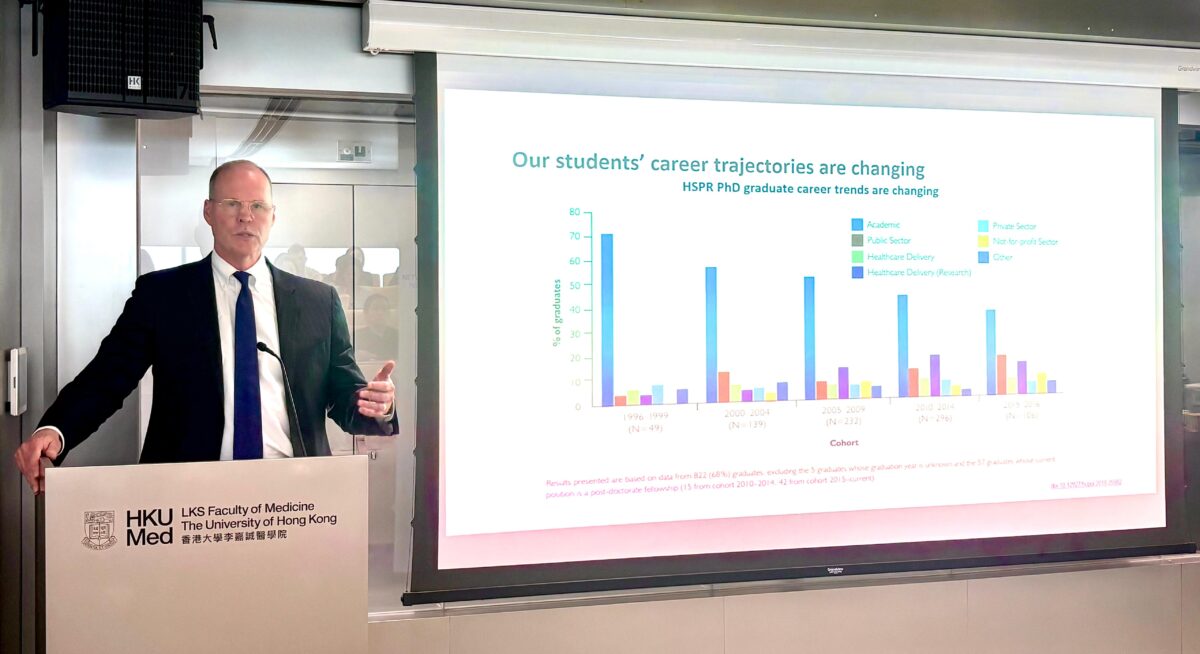
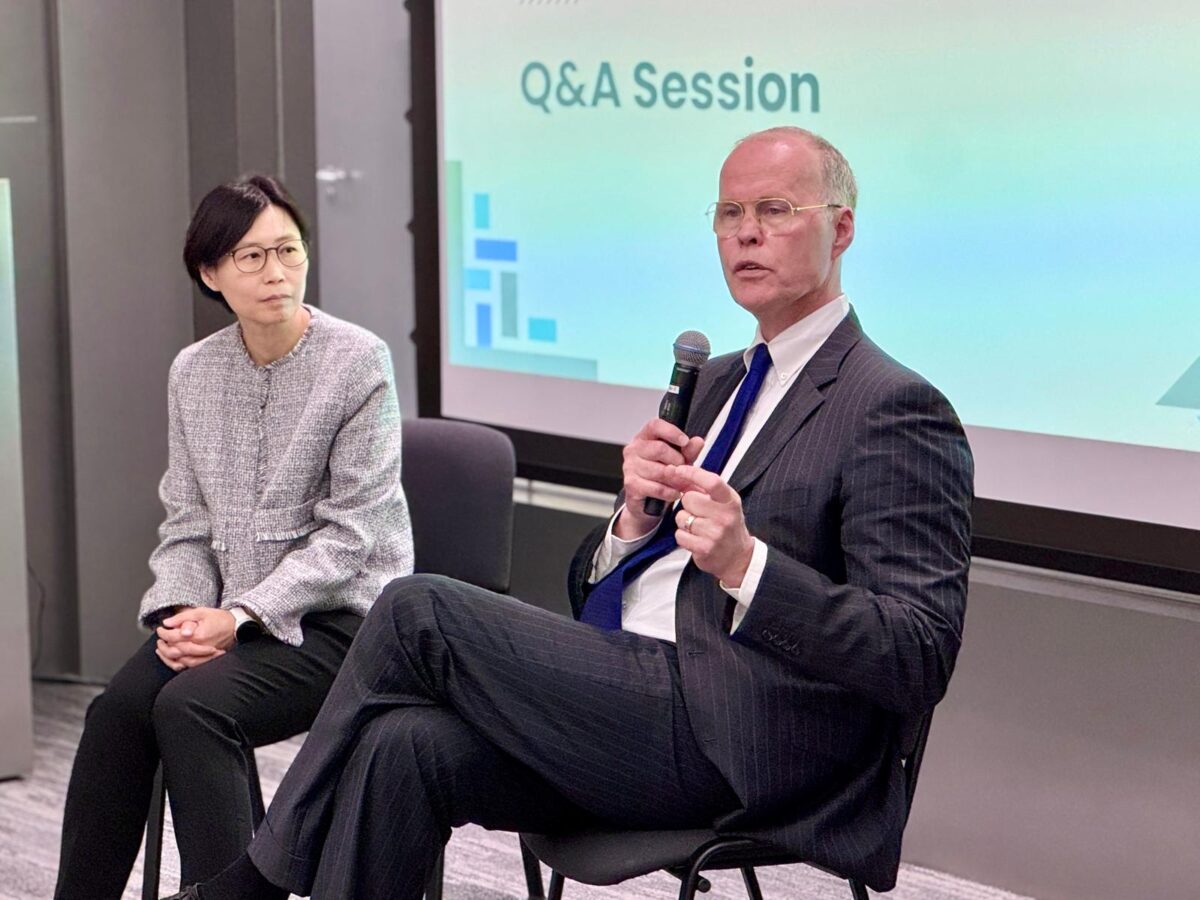
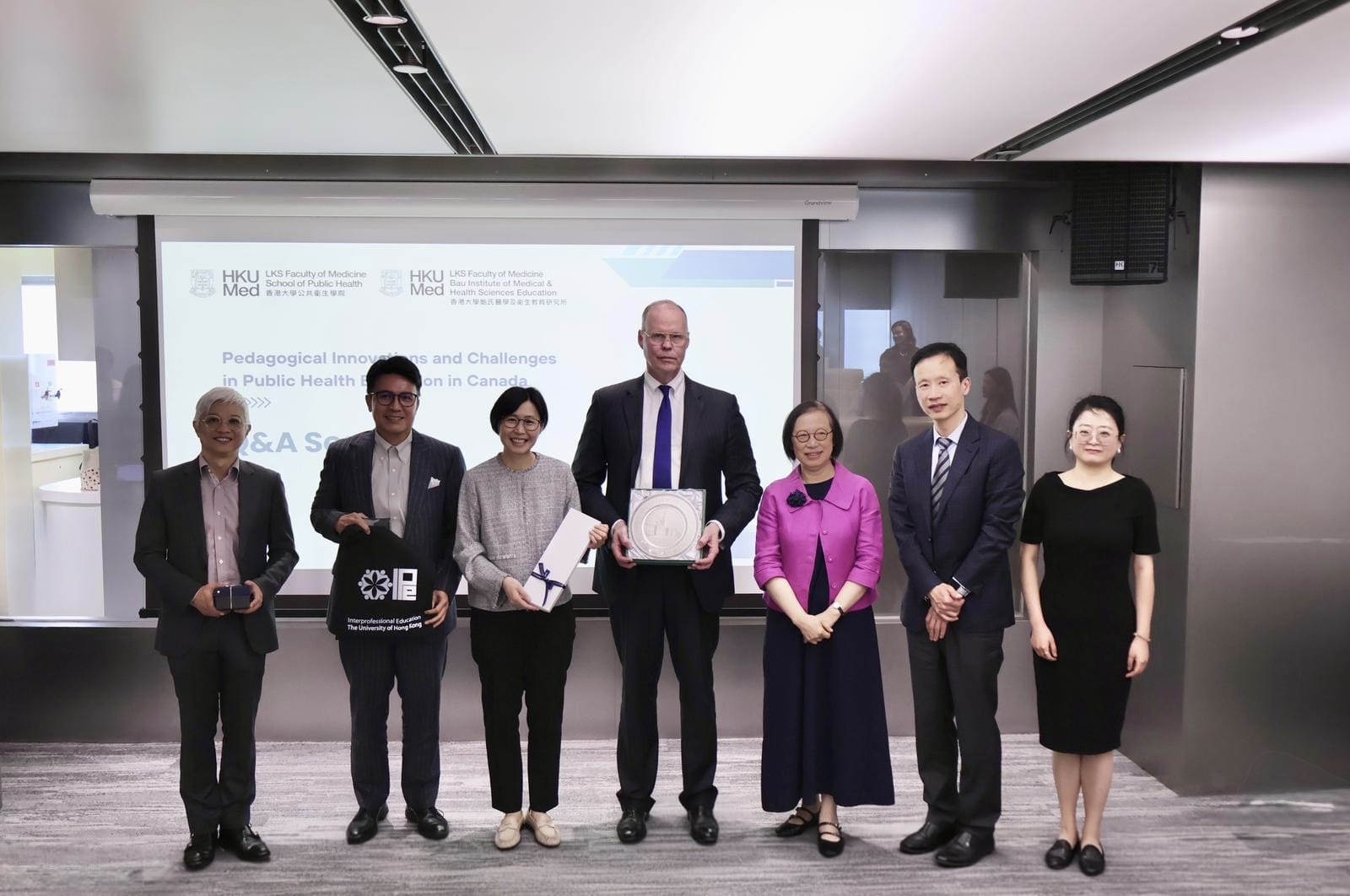
On April 28, 2026, our School and the Bau Institute of Medical & Health Sciences Education (BIMHSE) of the LKS Faculty of Medicine co-hosted a distinguished lecture titled “Pedagogical Innovations and Challenges in Public Health Education in Canada” by Professor Adalsteinn Brown, Dean of the Dalla Lana School of Public Health at the University of Toronto. Held at the HKU medical campus, the event brought together over 40 attendees from the academic and public health communities.
The event commenced with opening remarks from Professor Hui-Ling Yen, Interim Director and Professor of our School, who also moderated the subsequent Q&A session. Professor Brown delivered a comprehensive presentation on how public health education must adapt to an era of “polycrisis”, highlighting key challenges in competency training. He introduced the Dalla Lana School of Public Health’s innovations in leadership, communications, and critical thinking, emphasising that building trust and equipping students with bridging and coalition-building skills are essential for future public health leadership.
The engaging Q&A session featured insightful questions from the participants and provided a valuable opportunity for deeper discussion on the core themes of the lecture.


IN THE MEDIA |
A Pioneering AI Early Detection System to Reduce Human Risk from Avian Influenza A Viruses
Identification of Key Genomic Clue for Early Pandemic Detection
A research team led by Professor Tommy Lam, Associate Professor at our School, has developed a machine-learning classifier capable of analysing the genomes of influenza A viruses (IAVs) to accurately predict their potential risk of transmission among mammals. The team has successfully identified the key clues that may explain cross-species transmission of influenza A viruses from birds to mammals, and even to humans. The study found that when guanine (G) or cytosine (C) associated in the IVA genome decreased, the virus demonstrated a higher risk for sustained transmission in mammals, including humans. The research team recommends incorporating this genome signature into future influenza pandemic risk assessment frameworks to facilitate the early identification of high-risk viral strains. This groundbreaking study has been published in Nature Microbiology [link to the publication].
Influenza viruses come in various types, such as IAVs, which are commonly found in birds (also known as avian influenza) and can infect other animals, including mammals and humans. Once an avian influenza virus successfully adapts to the mammalian host environment and, more critically, gains the ability for human-to-human transmission, it could trigger an influenza pandemic, posing a severe threat to public health.
Professor Lam emphasised that introducing more refined risk assessment methods, including the incorporation of GC-related genomic content, would help strengthen surveillance efforts and facilitate earlier detection of high-risk viruses, enabling timely action at the early stage of human infection.

Once-weekly Interval Training Works as Well as Three Sessions Per Week
Key Findings from a Randomised Controlled Trial
A recent study from our School reveals that brisk interval walking performed once a week can significantly improve body fat reduction and cardiorespiratory fitness in adults with central obesity, comparable to exercising three times a week – the traditional recommendation for exercise frequency.
Led by Professor Parco Siu, our Professor and Head of the Division of Kinesiology, the research team conducted a trial involving 315 overweight Chinese adults with central obesity. Participants were randomly assigned to once-weekly interval training, thrice-weekly interval training, or a control group.
Results showed that at 16 weeks, both interval training groups similarly reduced excess adiposity (body fat mass, fat percentage and waist circumference) and improved cardiorespiratory fitness compared to the control group.
“For many adults with central obesity who struggle to balance work, study, family and other commitments, time constraints are a primary barrier to exercising multiple days per week,” said Professor Siu.
“Instead of relying solely on high-frequency exercise prescriptions, once-weekly interval training can be considered a feasible and effective alternative,” he added.
The findings have now been published in Nature Communications. Click here to view the publication.

Effective Hearing Aid Use Linked to Lower Dementia Risk
Quality Hearing Rehabilitation Makes the Difference
A new study co-authored by Professor Chen Shanquan, Assistant Professor at our School, has found that the effective use of hearing aids may help lower the risk of dementia in older adults with hearing loss.
Analysing data from over 61,000 adults across 33 countries, the research team discovered that hearing aid users had a 9% lower risk of probable dementia compared to non-users. More importantly, those who experienced good hearing improvement from their devices saw a 14% lower risk, while those with poor improvement showed no significant benefit.
Hearing loss affects about 30% of people over 65 and is a leading modifiable risk factor for dementia. According to the 2024 Lancet Commission, it accounts for roughly 7% of dementia cases worldwide. Professor Chen emphasised that the benefit depends on whether the device meaningfully improves daily hearing, not just wearing one.
The study also found that women, unmarried individuals, and those with lower education levels may benefit the most. The research team is now calling for better integration of hearing care into dementia prevention and healthy ageing strategies, especially in middle-income countries where access to affordable hearing aids remains limited.
The findings have now been published in Cell Reports Medicine. Click here to view the publication.

Beating the Heat
A Call for Urgent Heat-Health Action Plan
As Hong Kong experiences summer temperatures exceeding 30°C and extreme heatwaves impact regions from France to India, Professor David Bishai, Clinical Professor and Head of the Division of Health Economics, Policy and Management at our School, highlights the urgent need for Hong Kong to develop a comprehensive heatwave response plan.
Drawing on his experience and research into heat-related excess deaths, Professor Bishai estimates that a comprehensive heat action plan could save 150–200 lives each summer in Hong Kong. He points out that high temperatures increase mortality risks for the elderly and those with chronic illnesses, while also increasing risks of premature birth for pregnant women.
While commending Hong Kong’s community heat-relief efforts by NGOs like the Red Cross and Society for Community Organization (SoCO), he recommends a cross-sector collaboration in planning similar to Hong Kong’s multi-sectoral typhoon response.
Professor Bishai urges Hong Kong to build on its success in managing typhoons to become a leader in protecting public health from the growing threat of extreme heat.
For details, please click here for the link to Mingpao (Chinese only).

KNOWLEDGE EXCHANGE |
Public Health Newspaper Column
Bringing Real-life Impact to Community

As an institution committed to sharing knowledge with the community, members of the School of Public Health contributed articles in the Faculty of Medicine’s weekly column of Oriental Daily News (東方日報). The following are articles (Chinese only) published in May and June 2026:
May 9, 2026
志在四方:港大文理學士(環球衞生及發展) 推動公共衞生新力量
Professor Chung Pui-hong
Assistant Dean (Health Sciences Programmes & Admissions), LKS Faculty of Medicine
Clinical Associate Professor of Practice and BASc(GHD) Programme Director, School of Public Health
May 16, 2026
呼吸道病毒變異株的交叉免疫保護
Professor Nancy Leung
Assistant Professor (by May 31, 2026)
Honorary Assistant Professor
May 23, 2026
肥胖症用減重針 關注副作用
Professor Ryan Au Yeung
Assistant Professor
May 30, 2026
讓校園防疫與科學並進:由「做得多」走向「做得更準」
Professor Ben Cowling
Helen and Francis Zimmern Professor in Population Health
Chair Professor of Epidemiology
Head of Division of Epidemiology and Biostatistics
Dr Fong Min-whui
Post-doctoral Fellow
June 6, 2026
抗體數據揭示流感疫情走勢
Professor Tim Tsang
Assistant Professor
June 13, 2026
常吃 Omega-6 真能護心?最新研究顛覆既有印象
Professor Jane Zhao
Assistant Professor
June 20, 2026
構建無煙家庭:以實證守護兒童健康
Professor Sophia Chan
Senior Advisor, President’s Office, HKU
Professor and Director, HKU Primary Health Care Academy
Head, WHO Collaborating Centre for Health and Nursing Workforce Development in Primary Health Care
Professor, School of Public Health
Dr Lubecca Zhao Shengzhi
Research Assistant Professor
June 27, 2026
培育明日醫護團隊 助建無煙香港
Dr Dana Vackova
Principal Lecturer
Mr Rex Wong
Assistant Lecturer
Ms Baikong Mamid
Tutor
RESEARCH |
Publications from April to June 2026
Scholars’ Output Highlighted

The following are research papers published by SPH researchers from April to June 2026:
Birth Imprinting Effects on the Antibody Responses of H7N9 Patients from 2013-2018 in China
Communications Medicine
Xia Lin*, Wenda Guan, Liping Chen, Yin Su, Zaolan Liang*, Cheng Xiao*, Yaqin Bai*, Hui Lei*, Fangmei Lin, Zhenting Huang, Isaac Cheuk Long Chow*, Bingyi Yang*, Tim K. Tsang*, Yunceng Weng, Nisha Bhandari, Raghavan Varadarajan, Malik Peiris*, Benjamin Cowling*, Tang Li, Maureen McGargill, Paul G. Thomas, Nanshan Zhong, Richard Webby, Zifeng Yang, Mark Zanin*, Sook-San Wong*
Adverse Selection or Beneficial Selection in Dual Western Medicine–Traditional Chinese Medicine Insurance Markets
Social Science and Medicine
Xiyin Chen*, Xinxin Han, Jianchao Quan*, David Bishai*
Comparative Performance of Risk Prediction Models for Kidney Disease: An External Validation Using 0.5 Million UK Biobank Participants
BMC Nephrology
Yikun Zhang*, Chun Hin Chan*, Hin Lai Ivan Lam*, David Bishai*, Philip Clarke, Sydney C.W. Tang, Jianchao Quan*
Hope Hp-GC Project—Program Implementation for Primary and Secondary Prevention of Gastric Cancer in Latin America
Helicobacter
Javier Uribe, José Darío Portillo-Miño, Gonzalo Latorre, Diego Reyes-Placencia, Mauricio Pizarro, José Ignacio Vargas, Alberto Espino, Camila Jure, Margarita Pizarro, Gabriela Bofill, Felipe Silva, Nilton Palacios, Natalia Díaz-Garrido, Laura Huidobro, Raúl Araya, Sergio Ledesma, William Otero, Lina Otero, José M Remes-Troche, Christian Campos, Monserrate Largacha, Oscar Varas, Dacio Cabrera, Alejandro Piscoya, Juan Ramírez, Oscar Laudanno, Sebastián Esteves, Sandra Cifuentes, Eduardo García, Ana María-Guzmán, Douglas Morgan, Manuel Espinoza*, Shailja C Shah, Jin Young Park, M Constanza Camargo, Arnoldo Riquelme
Oropouche Virus: Transmission, Epidemiology, Genetic Diversity, and Public Health Implications
eClinicalMedicine
Lorenzo Subissi, James R. Otieno, Christopher Ruis, Ingrid Rabe, Anurag Agrawal, Laith Jamal Abu-Raddad, Esam I. Azhar, Martin Beer, Haroldo Bezerra, Leon Caly, Meera Chand, Ariamys Companioni, Tulio de Oliveira, Isabelle Dietrich, Christian Drosten, Pablo Duran, Nuno R. Faria, Adeola Fowotade, Lionel Gresh, Baoying Huang, Jason Kindrachuk, Marion P.G. Koopmans, Bette Korber, Yee-Sin Leo, Placide Mbala-Kingebeni, Martina McMenamin, Nada M. Melhem, Vincent J. Munster, Bruno T.D. Nunes, Bas B. Oude Munnink, Felipe G. Naveca, Malik Peiris*, Gustavo Palacios, Paola Resende, Angel Rodriguez, Senjuti Saha, Tadaki Suzuki, Andrea Vicari, Anne von Gottberg, Pragya Yadav, Jairo Mendez-Rico, Maria D. Van Kerkhove, Diana P. Rojas
Reply to Rhazzar et al. The Impact of Author Name Ambiguity on Bibliometric Validity. Comment on “Ejaz et al. Bibliometric Analysis of Publications on the Omicron Variant from 2020 to 2022 in the Scopus Database Using R and VOSviewer. Int. J. Environ. Res. Public Health 2022, 19, 12407”
International Journal of Environmental Research and Public Health
Hasan Ejaz, Hafiz Muhammad Zeeshan, Fahad Ahmad,Syed Nasir Abbas Bukhari, Naeem Anwa, Awadh Alanazi, Ashina Sadiq, Kashaf Junaid, Muhammad Atif, Khalid Omer Abdalla Abosalif, Abid Iqbal, Manhal Ahmed Hamza, Sonia Younas*
Gender Disparities in the Prevalence, Trends, and Determinants of Later-Life Urinary Incontinence: A Disproportionate Burden on Women
Aging Medicine
Xiyin Chen*, Shaoxiang Jiang, Muqi Guo, Hao Zhang, Mouwang Zhou, Yao Yao
Standardizing Antiviral Response Metrics for Mono- and Combination Therapies in Acute, Chronic and Latent Viral Infections
Virology Journal
Pavlo Petakh, Erlend Ravlo, Qiuwei Pan, Roberto Bruzzone*, Valentyn Oksenych, Markus Vähä-Koskela, Oleksandr Kamyshnyi & Denis E. Kainov
Sustained Chlorination of Hospital Surfaces Restructures the Microbiome and Virome and Diversifies Resistance Genes
Environmental Science and Technology
Huaxin Lei, Shicong Du, Chengyue Li, Louise Yung*, Peihua Wang, Ling Yan Leung, Colin A. Graham, Hui-Ling Yen*, Yuguo Li, Alexander G. Lucaci, Christopher E. Mason, Patrick K. H. Lee
Multiancestry, Tissue-specific Genetics Inform Type 2 Diabetes Etiology
Trends in Genetics
Shiu Lun Au Yeung*, Gabriel Chun Yin Sung*, Ronald Ching Wan Ma
A Critique of the Cited Evidence Linking the Relationship Between Vaccines and Autism on the United States CDC Webpage
International Journal of Epidemiology
Gabriel Chun Yin Sung*, Shiu Lun Au Yeung*
Disparities in Deworming Coverage Between Children With and Without Disabilities: Insights From the DeWorm3 Trial in India
BMJ Global Health
Shanquan Chen*, Rohan Michael Ramesh, Kumudha Aruldas, Saravanakumar Puthupalayam Kaliappan, Bobeena Rachel Chandy, Beena Koshy, Smitha Jasper,Katherine E Halliday, Judd L Walson, William Oswald, Sitara Swarna Rao Ajjampur, Hannah Kuper
Shared Central Symptoms but Distinct Age-Specific Patterns in Problematic Short Video Use: Evidence from a Network Analysis Across Early, Middle, and Late Adolescence
Cyberpsychology, Behavior, and Social Networking
Luxia Jia, Dongyu Liu*, Xiyu Wei, Yuansi Wu, Sai Huang, Bao Zhang
Health Equity After a Colorectal Cancer Screening Program
JAMA Health Forum
Xuechen Xiong*, Carmen S. Ng*, Yikun Zhang*, Jiayi Liang*, Jo Yi Chow*, Sharon S. L. Pang*, Xinyu Du*, Wai Lun Law, Wai Keung Leung, Gabriel M. Leung*, Jianchao Quan*
Reply to: From De-Implementation to Culturally Responsive Decision Support: Rethinking Tube Feeding for Individuals With Advanced Dementia in Asia
Journal of the American Geriatrics Society
Steven T. W. Chu, Jacqueline K. Yuen*
Remarks:
* Member of School of Public Health, The University of Hong Kong
- This list is compiled by searching in Scopus using the keywords “School of Public Health, LKS Faculty of Medicine, The University of Hong Kong” for April to June 2026
- Arranged by date of publication