
e-Bulletin October 2026
EVOLUTION |
Public Health at HKU: 1911-1950
Pioneering Through Adversity
Dr Andrew Park, Senior Lecturer, School of Public Health, HKUMed
The previous newsletter examined the foundational work of Patrick Manson in establishing tropical medicine and the Hong Kong College of Medicine for Chinese, which became the Faculty of Medicine of the University upon its establishment in 1911. But what happened to the University’s efforts in public health in the decades after?
When the University was founded in 1911, its Medical Faculty contained no division explicitly focusing on public health. This was not surprising, given the world’s first dedicated School of Public Health (at Johns Hopkins University) was only established in 1916. However, HKU would have to wait until 1950 before it created its own Department of Social Medicine. Yet the story of HKU’s efforts in public health in the first half of the 20th century was more than just one of missed opportunities and a failure to institutionalise; there were also real achievements, remarkable personal contributions, and clear continuities. Indeed, the story sheds light on contemporary conversations about global health.
A notable development in Pathology was the appointment of HKU’s first Professor of Pathology, who was also the University’s first ethnically Chinese professor. Appointed in 1920, Professor C. Y. Wang was a graduate of the old Hong Kong College of Medicine for Chinese, and conducted groundbreaking research into tuberculosis – the disease which tragically claimed his life a decade later. Wang’s appointment should not be construed as an early example of the “decolonisation of global health,” however. HKU was a deeply colonial institution and nearly all Professors appointed were British.
One of the anxieties of this British institution was that it might be losing influence in China to the Americans. In the field of medical research, this appeared to be happening with the founding in 1921 of the American-backed Peking Union Medical College (PUMC), funded by the Rockefeller Foundation. That school instantly became a regional leader both in medical research and public health practice, and a desirable location for HKU graduates who wanted to undertake cutting-edge medical research.
The University had a new weapon in its undeclared rivalry with PUMC: a partnership with a promising new research institute. The Henry Lester Institute of Medical Research was established in Shanghai from the bequest of a wealthy British entrepreneur who had made his fortune in the city. It was a former Dean (1916-20, 1923, 1925) of the HKU Medical Faculty, Herbert G. Earle, who left his position in Hong Kong to set up and then lead the new Shanghai-based institute. Officially beginning its work in 1933, the Lester Institute would conduct important research in physiology, pathology, and also nutrition, as well as the scientific study of traditional Chinese medicine. If not quite the kind of research hub which HKU has today in Shanghai and other locations in the mainland, in the 1930s and early 1940s there was a close relationship between the Lester Institute and HKU, with students and staff moving between the two.
When it came to its teaching of public health, however, HKU was falling far behind. While public health, including topics such as port health, school health, and vaccination, had always been on the MBBS curriculum, these occupied only a paltry few hours chiefly in the fifth year of the curriculum, and were conducted ad hoc, usually by members of the government medical services. Although, since 1930, medical students could opt for a specialisation in state medicine – the use of government legal and administrative authority to influence health – there were still no full diploma courses offered for public health or tropical medicine.
The University’s neglect of public health was changing, however, spurred on both by the challenge which PUMC posed to its position as a centre of scientific medical education in China, as well as by developments in the mainland. With the rise of the Chinese Nationalists in 1927, the coming decade would see vigorous efforts to reorganise and improve the country’s public health and medical administration – points which became important elements in government legitimacy. The potential for the University to play a role in these developments was not lost on HKU.
By 1932 the University was proposing the creation of a Department of Public Health whose professor would also lead a government-led Public Health Centre that would undertake education and research. It was hoped that this would make HKU a leading centre of education for public health. All that was needed was money. Unfortunately, in the midst of the economic downturn of the 1930s, none was forthcoming – despite appeals to philanthropic donors and the government. At the end of the 1930s a similar proposal for an Institute of Public Health was also floated, and a property was identified opposite the Main Building. Concrete plans were made for this Institute, which was to have three divisions: Hygiene & Epidemiology, Pathological Sciences, and Biochemistry & Nutrition. Again, all that was needed was money which would never materialise.
Ultimately, the University had to content itself with more limited progress. Badly needed improvements in the MBBS curriculum were finally made – but only after a 1934 inspection from the General Medical Council resulted in a scathing report on the University’s inadequacies in the field of public health. The number of subjects and hours devoted to public health was increased, as were the number of practical site visits, while more attention was also paid to who taught the subject.
One of the distinguished lecturers at this time was Dr K. C. Yeo, an HKU medical graduate who had gone on to receive a diploma of public health from Cambridge and diploma of tropical medicine and hygiene from Liverpool – diplomas still unobtainable at HKU. As if to underscore the degree to which the University had fallen behind in this area, in July 1937, Yeo would lead a small study tour of HKU students to the Chinese capital Nanjing, where they would observe first-hand the tremendous improvements in public health and sanitation being made in the mainland.
Geopolitics was fast intruding on these achievements, with tragic results. In the midst of Yeo’s study tour to Nanjing, a clash between Japanese and Chinese troops broke out near Beijing and escalated into the full-scale war which soon engulfed the country. Within six months of Yeo’s visit, Nanjing itself – including its new public health infrastructure and personnel – would be decimated, terrorised, and brutalised by the invading Japanese army as it steadily marched south.
With Britain not yet at war, for the time being Hong Kong and the international settlement in Shanghai remained largely unaffected. However, the story of the University and public health was now increasingly wrapped up with the conflict. One HKU medical graduate, temporarily stranded at the Lester Institute in Shanghai, used his time to undertake a study of the nutritional needs of the refugees now crowding into the city. By the late 1930s, the pages of The Caduceus, HKU’s medical journal, as well as the research of the Lester Institute, were turning to the threat of air-raids and gas warfare, as well as questions of wartime nutrition.
Students and staff at the University mobilised to fundraise and produce bandages for wounded Chinese soldiers and civilians. When the conflict extended into Guangdong province at the end of 1938, young student volunteers from HKU and the city’s secondary schools conducted health promotion work and service to civilians and refugees. Instead of an HKU-Shenzhen hospital, the University’s staff and students volunteered in Shenzhen’s refugee camps.
Poignantly, some young student volunteers even saw frontline medical relief service – their reports in the University archive were full of youthful bravado and fear. Concerned at the risks involved, the University administration eventually arranged that most of these activities would be folded into the Chinese Red Cross, led by the energetic PUMC professor Robert Lim. In addition to battlefield medicine, the Chinese Red Cross would conduct hygiene campaigns and some inoculations. Their work included disinfecting soldiers’ and civilians’ clothing using converted cooking stoves. The reports of this organisation list a number of HKU medical doctors as volunteering, including Dr T. S. Sze, who would go on to become the University’s first Professor of Social Medicine after the war.
HKU staff and graduates were also involved in an international effort to help wartime China, which also presaged some of the work which the World Health Organization would later lead. Despite being discredited as a body to prevent war, the League of Nations – the precursor to the United Nations – remained a useful means of organising technical assistance. In this sense, the League had been helping develop China’s public health system since the late 1920s. When war broke out, it funded an epidemic prevention mission to China’s western regions. Leading one of the three units was Dr Robert Cecil Robertson, a Scottish pathologist at the Lester Institute. Two HKU doctors also joined this mission from 1938 to 1940, alongside several technicians from the Institute.
In late 1939, Robertson would himself leave the Lester Institute for HKU, taking several members of his research team with him. In his role as Professor of Pathology, he would continue his connection with the League and the Chinese government, while also becoming a driving force in pushing for a new diploma related to public health. While HKU ultimately decided not to implement a full Diploma in Public Health because of the accreditation requirements of the British General Medical Council, the University did finally approve the curriculum of a Diploma in Tropical Medicine and Hygiene, which was to start recruiting students in late 1941.
In their prospectus for this diploma, the University listed their connection to the Lester Institute – still led by the former Medical Faculty Dean Herbert G. Earle – as a drawcard, along with the fact that the wartime disruption meant that Chinese students wishing to study public health had few other feasible options. Alongside this Diploma, 1941 also saw the appointment of HKU’s first Professor of Public Health. Dr N. C. Macleod had been appointed as lecturer a year earlier, but was still serving as the Deputy Director of Medical Services.
By the end of 1941 – thirty years after its founding – HKU had finally redressed the worst of its neglect of public health. The University now had a professor and a new diploma. With PUMC in Beijing under Japanese occupation, barring any unforeseen circumstances, HKU was well-positioned to resume its position as a regional leader in public health education. The slow and frequently postponed progress seemed finally to be culminating in success. It was not to be.
In early December 1941, simultaneous with its attack on Pearl Harbour, the Japanese army invaded Hong Kong and occupied the international settlement in Shanghai. HKU was shut down for the duration of the war and its foreign staff were interned in Stanley. Professor Robertson was allowed to continue his pathological work, however, but under house-arrest inside the Bacteriological Institute, where he died in despair in 1942. Dr K. C. Yeo, now a senior official in the government health services, was imprisoned for two months, after which he continued to serve, under extremely difficult conditions, to maintain the public health of the city.
With the end of the war, HKU slowly began reopening, but the global context was changing fast. Herbert Earle of the Lester Institute survived the war, but died of exhaustion in Shanghai in 1946 trying to get the Institute back on its feet. With the establishment of the People’s Republic of China in 1949, the days of a colonial British institution were numbered, and the Lester Institute dissolved shortly after.
The huge changes in the mainland were also seismic for HKU. Overnight, the University lost access to the mainland, something which was fundamental to its pre-war plans to become a national and regional leader in public health education. Instead, its focus turned both inward and outwards. This is reflected in the latter careers of two distinguished HKU medical graduates already mentioned.
In 1950, two years after HKU officially reopened, Dr T. S. Sze – who had spent the war with the Chinese Red Cross – was appointed the University’s first Professor of its new Department of Social Medicine. He would not stay long, however, as he was invited by the new World Health Organization to join its Geneva secretariat in 1952. This same year would see Dr K. C. Yeo – who had led HKU’s public health study tour to Nanjing in 1937 – become the first ethnically Chinese Director of Medical Services in Hong Kong.
But these are stories for another day. Nevertheless, they encapsulate the rich, if forgotten, continuities and heritage which the University established in public health in the first half of the twentieth century. If this history was, on the one hand, one of missed opportunities and delays in institutionalising the teaching of public health at HKU, it was also one of remarkable individual efforts and achievements in often dire and difficult circumstances.
Dr Andrew Park is a Senior Lecturer who has been exploring a fascinating story contained in the University’s archives and others scattered across several continents.


ANNOUNCEMENT |
HKUMed Takes the Baton as Host of the World Health Summit Regional Meeting 2027 Hong Kong, China
Bringing Asia’s Voice to the Global Dialogue on ‘Health Across Borders’
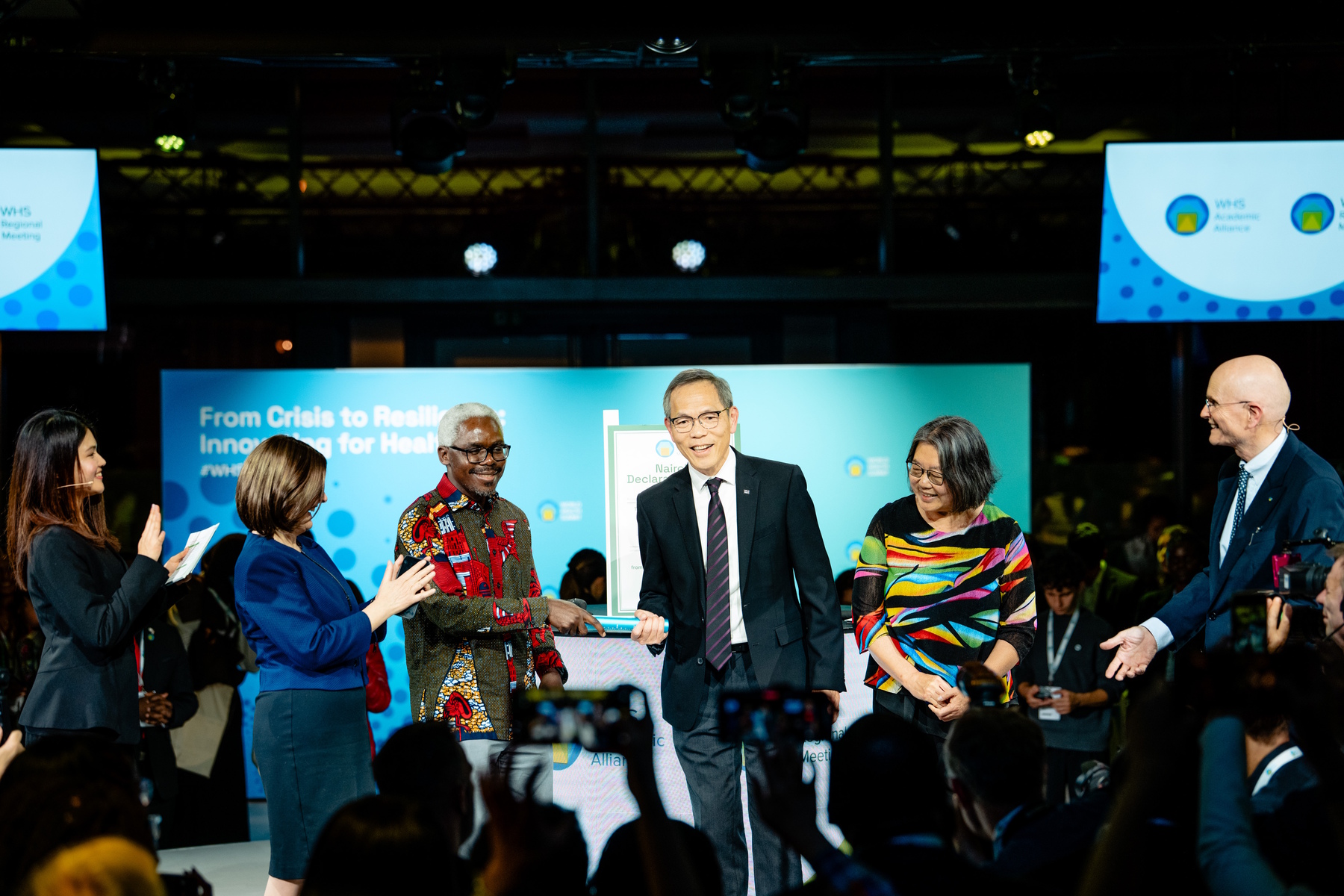
We are proud to announce that HKUMed has officially received the baton to host the World Health Summit (WHS) Regional Meeting 2027, Hong Kong, China, at the WHS Opening Night in Berlin, Germany, on October 11, 2026. The handover from Nairobi, the 2026 Regional Meeting host, set the stage for Hong Kong, China, to host this leading international platform for global health dialogue for the first time.
The Meeting will take place from May 7 to 9, 2027 at the Hong Kong Convention and Exhibition Centre. Themed ‘Health Across Borders’, the Meeting is expected to welcome some 2,000 participants, bringing together leaders and changemakers from governments, multilateral agencies, philanthropic organisations, academia, civil organisations and the private sector to advance collaboration across geographies, sectors and disciplines.
Incoming International President of the World Health Summit 2027, Professor Chak-sing Lau, Dean of HKUMed, said, ‘Receiving the baton from Nairobi is such a privilege, and HKUMed is ready to help shape the next chapter of global health collaboration. We will harness our city’s role as a super connector to bring together leaders and changemakers. “Health Across Borders” is our ambition to turn connections into actions, and scientific advances into better health for everyone.’
HKUMed was invited to join the WHS Academic Alliance in 2024, becoming the first institution from Hong Kong, China, to join the international academic network. Its selection the following year to host the 2027 Regional Meeting underscored the Faculty’s growing engagement with the global health community and its commitment to shaping a healthier, more equitable future.
As one of the world’s foremost platforms for strategic dialogue on global health, the World Health Summit convenes an annual summit in Berlin and a regional meeting at a rotating location. The regional meetings highlight local and regional leadership and priorities, bringing these perspectives into discussions that advance the global health agenda.
The 2027 Regional Meeting will feature more than 40 sessions across five critical thematic tracks: Equity in Health; Health in the Digital Era; Partnerships as Pathways in Health; Science and Innovation; and the Multi-sectorality of Health Policy.
HKUMed is working closely with partners locally, regionally and globally to develop a programme that fosters meaningful exchange and cross-border collaboration. By highlighting regional leadership, experience and priorities, the Meeting will strengthen Asia’s voice in global health discussions and explore shared responses to pressing health challenges.
Stay tuned for further details on the programme, speakers, and registration at the official website: www.whsrmhongkong2027.com.
Welcoming Professor Kong Lingkai
Expanding Our Academic Horizons
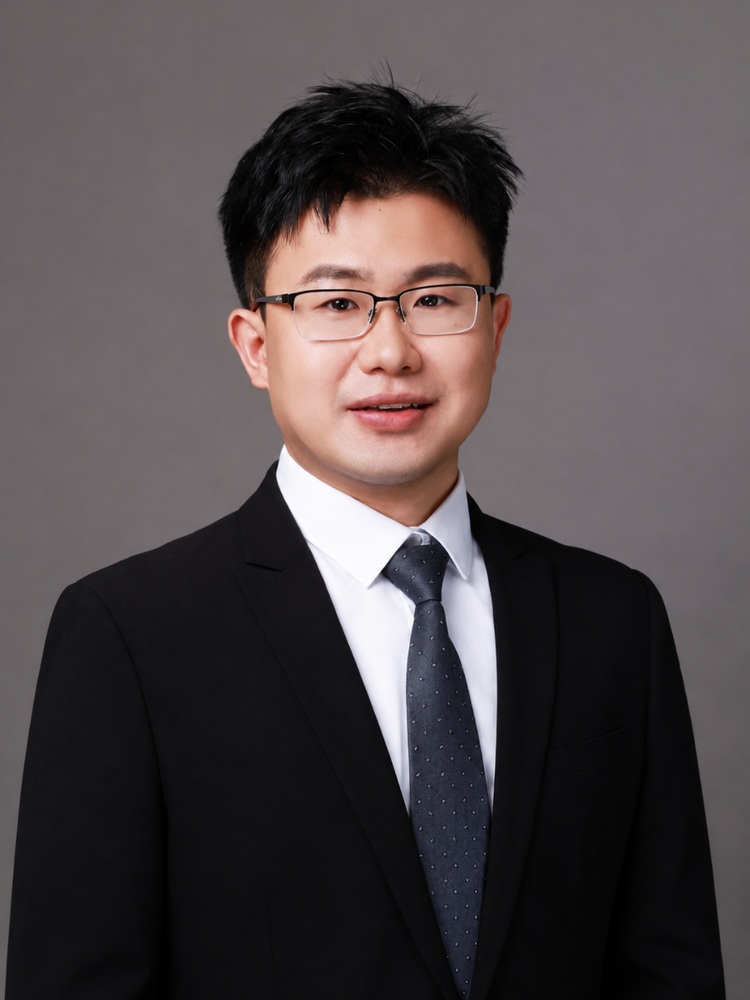
We are delighted to share that Professor Kong Lingkai joined our School in September, under a joint appointment as Assistant Professor in the Division of Epidemiology and Biostatistics. His home department is the School of Computing and Data Science under both the Faculty of Engineering and the Faculty of Science at HKU.
Professor Kong joins us from the Harvard John A. Paulson School of Engineering and Applied Sciences, where he was a Post-doctoral Fellow. He received his Ph.D. in Computational Science and Engineering from the Georgia Institute of Technology in the US. Professor Kong has an impressive publication record, with papers published in leading AI and machine learning venues, including the International Conference on Machine Learning (ICML), the Annual Conference on Neural Information Processing Systems (NeurIPS), and the International Conference on Learning Representations (ICLR), and he has delivered tutorials at major data science conferences such as Knowledge Discovery in Databases (KDD). He is also a recipient of the Otto & Jenny Krauss Fellowship.
His research focuses on building generative AI agents that can understand complex environments, reason effectively, and support decision-making in high-impact domains. He also works closely with public-sector partners in health and environmental sustainability to translate algorithmic innovations into real-world impact.
The School extends our warmest welcome to Professor Kong.
HIGHLIGHTS |
Professor Sophia Chan Receives Inaugural HKU Impact Award 2026
Recognising Excellence in Translating Research into Societal Impact
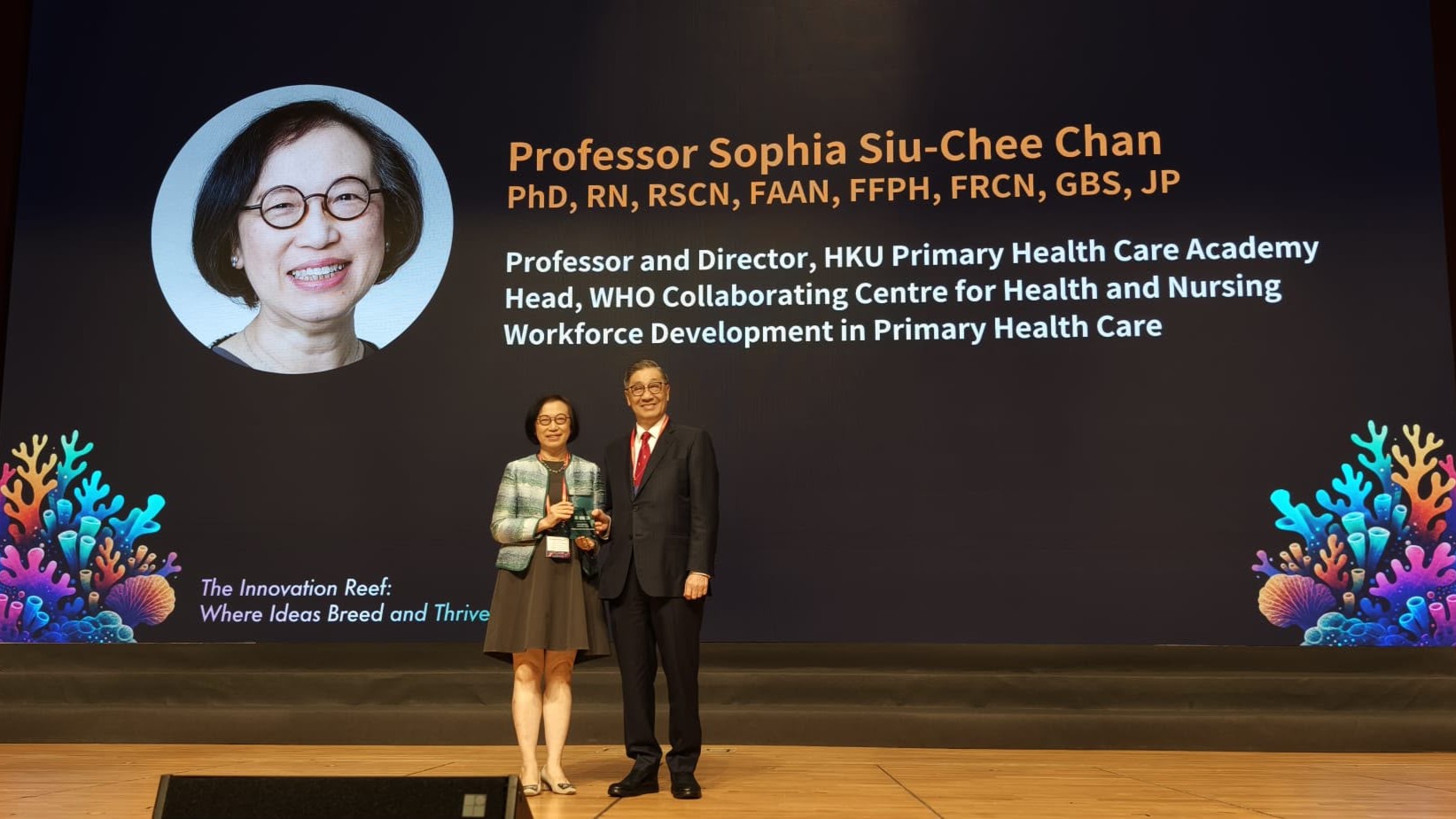
We are delighted to celebrate Professor Sophia Chan, Honorary Professor of our School and Professor and Director of the HKU Primary Health Care Academy, on being named a recipient of the inaugural HKU Impact Award at HKU Innovation Week 2026. The award recognises members of the HKU community who have successfully translated knowledge, research and innovation into meaningful societal impact.
As Hong Kong’s first nurse to serve as the Secretary for Food and Health, Professor Chan has played a pivotal role in translating health services research into public policy and in advancing preventive, community-based primary healthcare across Hong Kong. Her leadership and dedication have made a lasting impact on healthcare systems and population health.
This well-deserved recognition reflects her commitment to improving health and well-being through evidence-based policy, innovation and public service.
SPH Staff Received Long Service Awards
Celebrating Decades of Dedication, Commitment and Loyalty
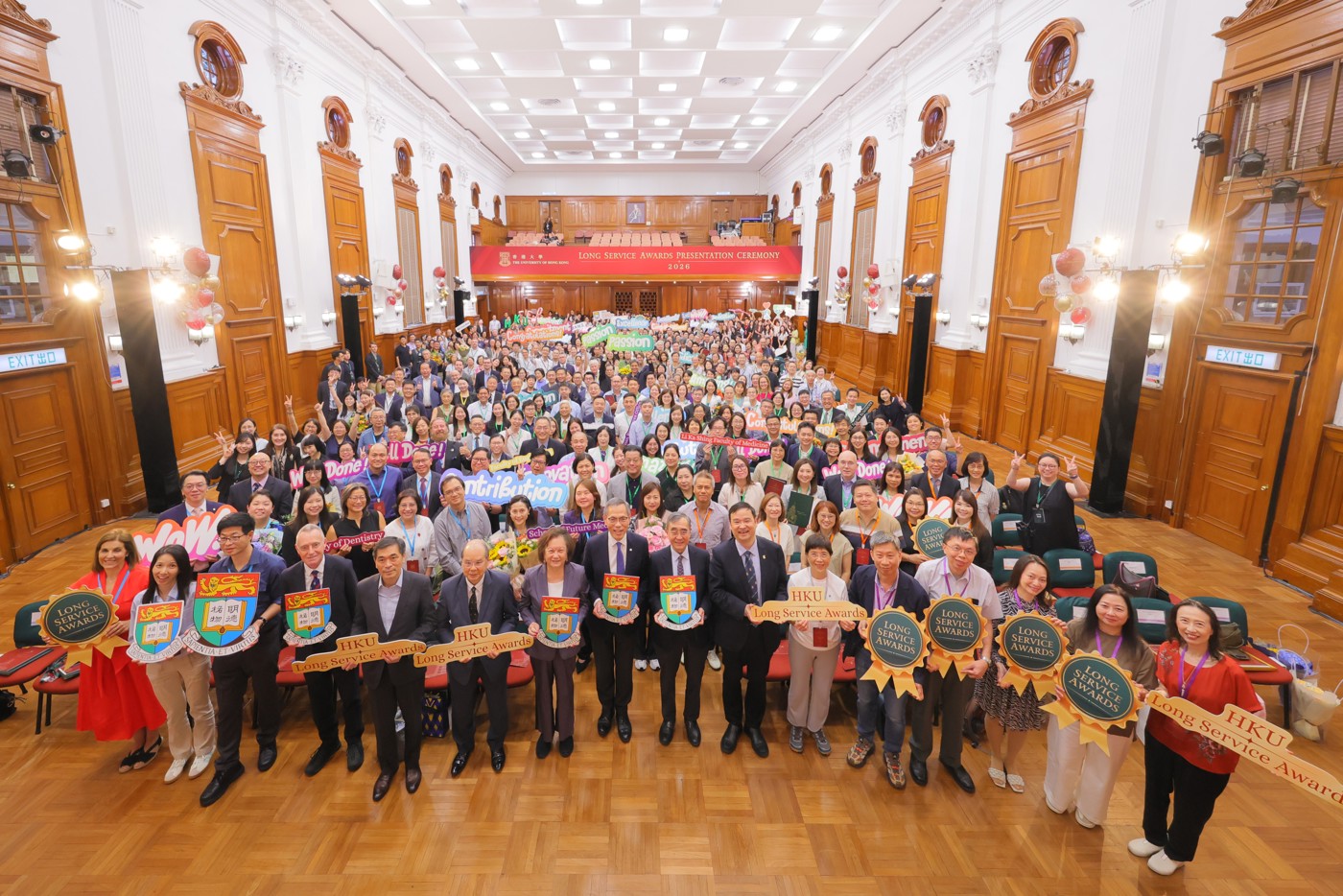
On September 9, 2026, HKU celebrated the dedication and contributions of nearly 200 staff members at the Long Service Awards Presentation Ceremony held at Loke Yew Hall. We are delighted that two of our colleagues were among those recognised for their years of exemplary service.
We are proud to announce that Dr William Cheung Yiu-man, Research Officer in the Division of Public Health Laboratory Sciences, received the prestigious 25-year service award. Additionally, Professor Peng Wu, Associate Professor of the Division of Epidemiology and Biostatistics, was honoured for 15 years of dedicated service, marking a remarkable career milestone.
Reflecting on his achievement, Dr Cheung shared, “I am very grateful to receive this award and would like to thank my colleagues and mentors, particularly Professor Guan Yi and Professor Tommy Lam, for their guidance and support at the School of Public Health. It has been a privilege to work with such dedicated colleagues, and I truly appreciate the opportunity to contribute to the School over the years.”
The School extends our warmest congratulations to both award recipients. Their dedication over the years has not only strengthened HKU but also made meaningful contributions to the field of public health, and we look forward to their continued impact.
EVENT SNIPPETS |
HTA Hub Launch Seminar
HTA and Strategic Purchasing: Closing the Gap to Improve Access to Healthcare
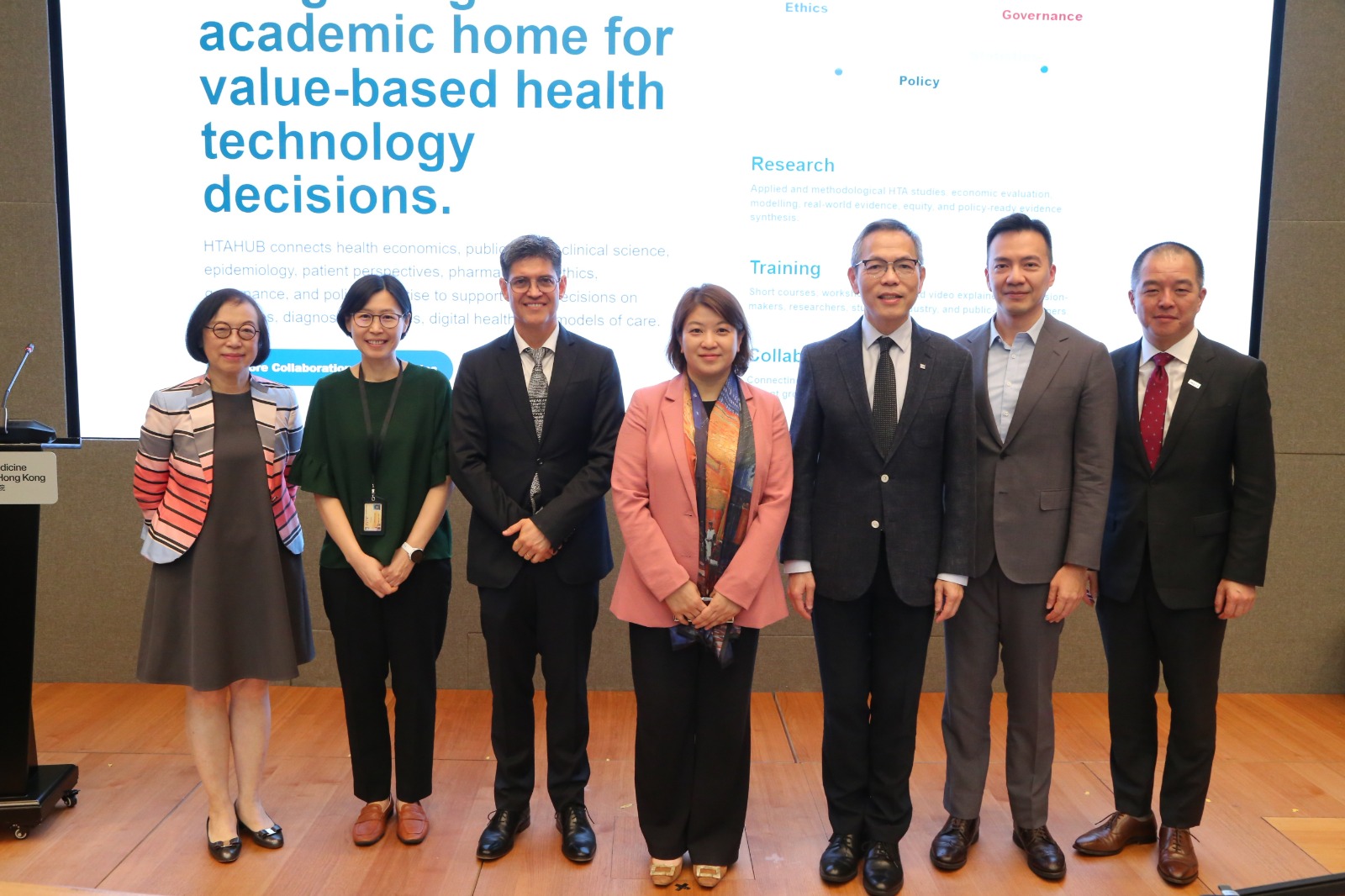
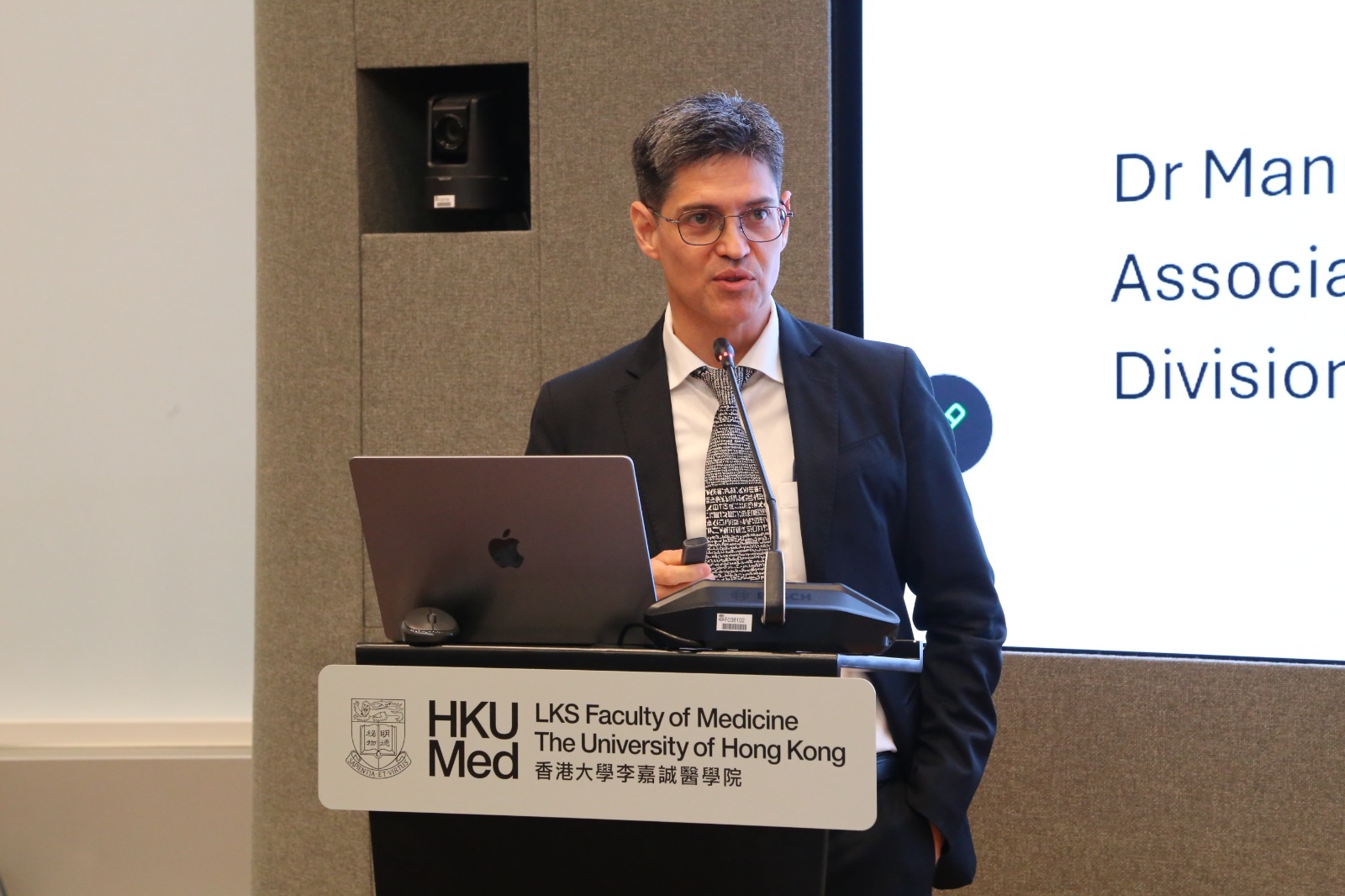
We are delighted to announce the official launch of the Health Technology Assessment Collaboration Hub (HTA Hub), alongside its launch seminar titled “HTA and Strategic Purchasing: Closing the Gap to Improve Access to Healthcare” delivered by Professor Manuel Espinoza, HTA Hub Coordinator and Associate Professor at our School.
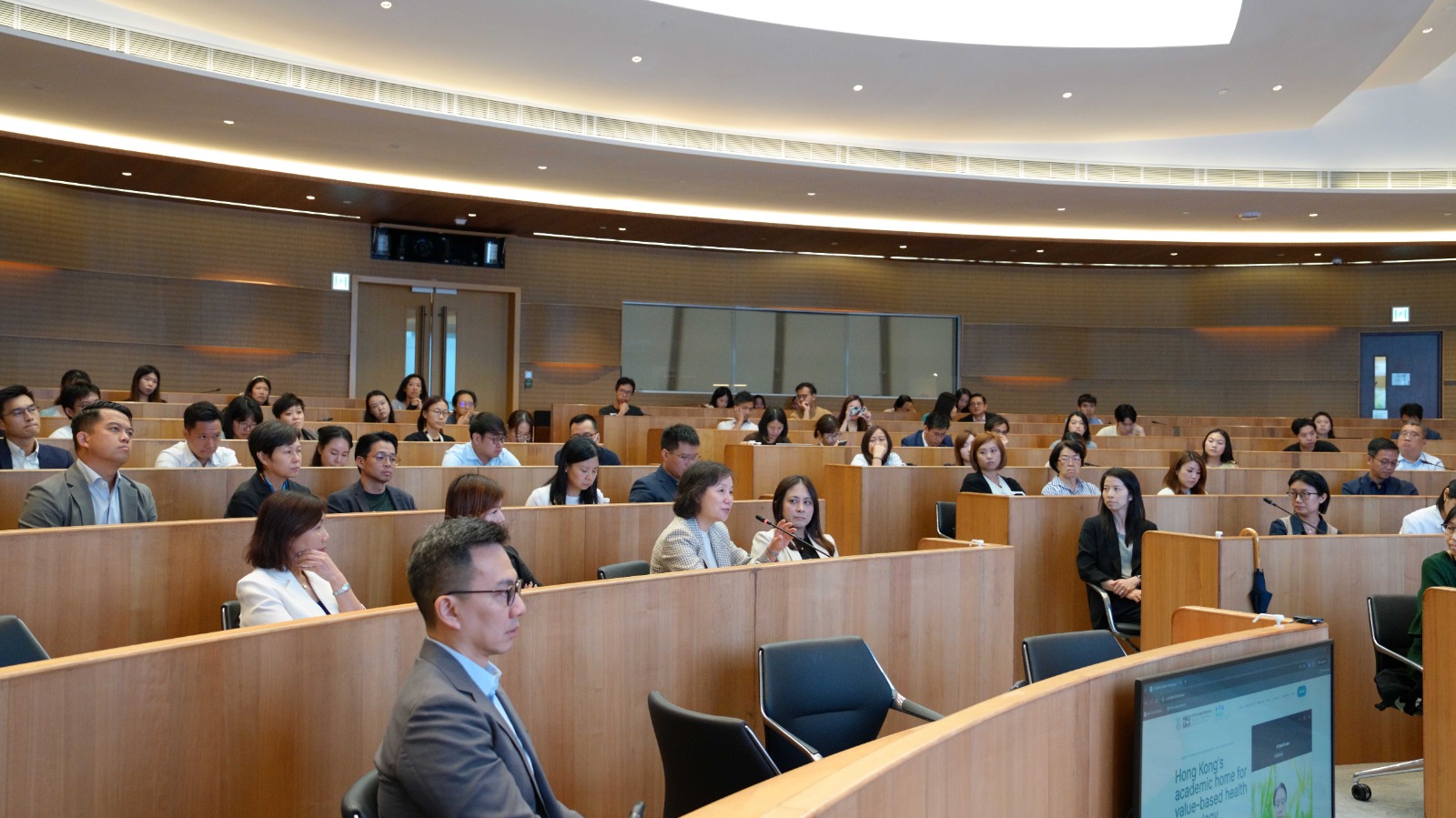
The launch united leaders from academia, healthcare, government, and industry to discuss how Health Technology Assessment (HTA) can drive evidence-informed, equitable, and sustainable healthcare decisions in Hong Kong.
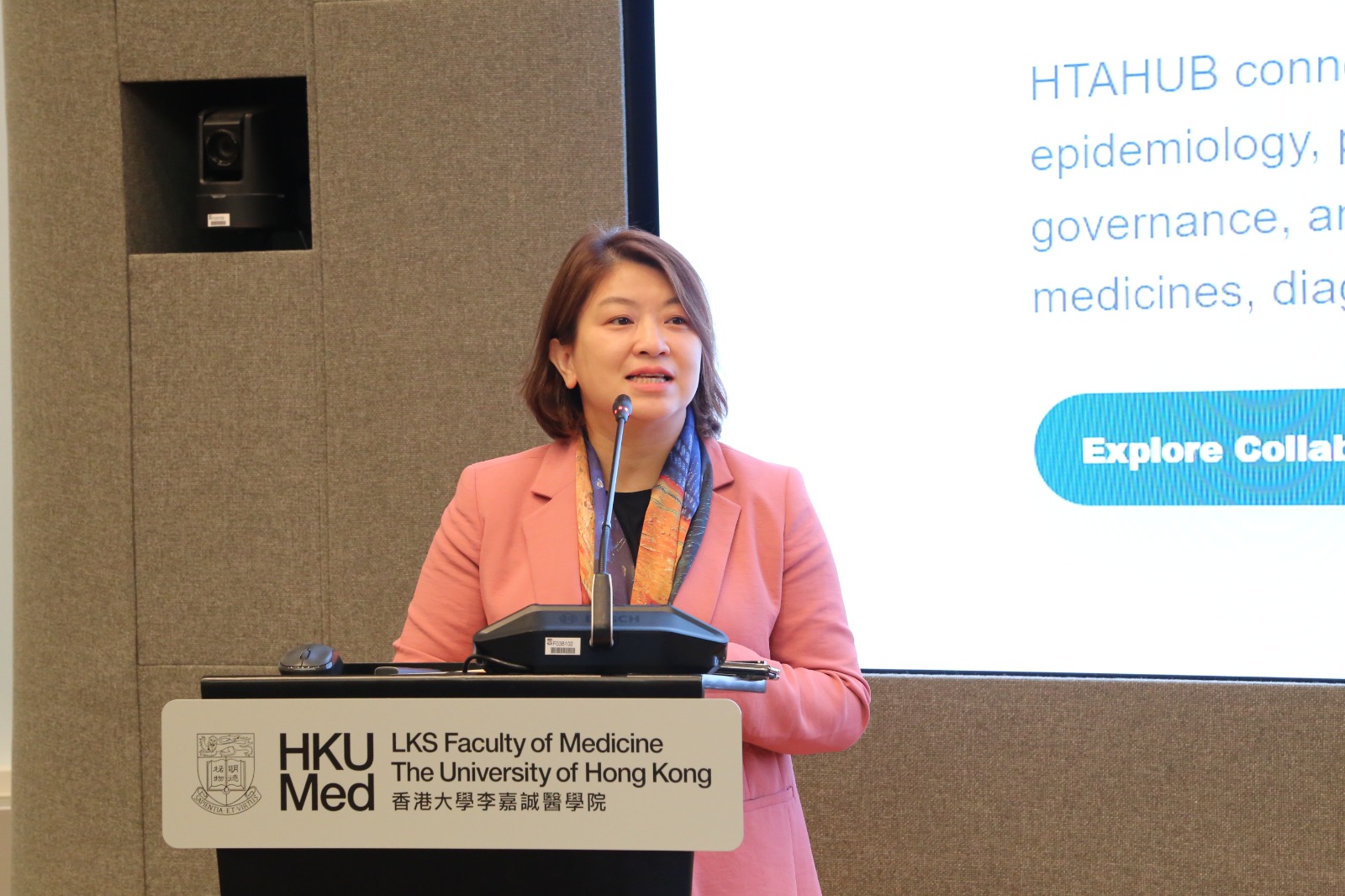
Professor Hui-Ling Yen, Interim Director and Professor of our School, introduced the HTA Hub as an academic home for value-based health technology decision-making, driven by research, education, and collaboration. Professor Chak-sing Lau, Dean of HKUMed, emphasised connecting biomedical and AI innovation with cost-effectiveness, equity, and real-world health system needs.
Dr Libby Lee, Chief Executive of the Hospital Authority, reflected on the practical challenges of resource allocation in public healthcare and the need for clinical evidence and cost-benefit analysis to guide service advancement.
Professor Manuel Espinoza explained how HTA defines value, manages uncertainty, and supports fairer access to costly health technologies. He also highlighted managed entry agreements as tools for sharing financial and economic risk between payers and manufacturers.
Moderated by Professor Sophia Chan (HKU), a panel discussion was joined by Professor Gilberto Leung (HKUMed), Dr Cheung Wai-lun (Health Bureau, The Government of the Hong Kong Special Administrative Region of the People’s Republic of China), and Professor Espinoza. They explored how HTA intersects with clinical guidelines, strategic purchasing, cost-effectiveness thresholds, data access, and social value.
The discussion highlighted HTA as a collaborative platform aligning evidence, policy, clinical practice, and public value. We look forward to partnering across sectors to advance HTA capacity for a more sustainable, equitable, and high-quality healthcare system in Hong Kong.
OHKF and the HTA Hub Jointly Convene Healthcare Forum
Future-Proofing Healthcare: Balancing Innovation, Cost and Accessibility
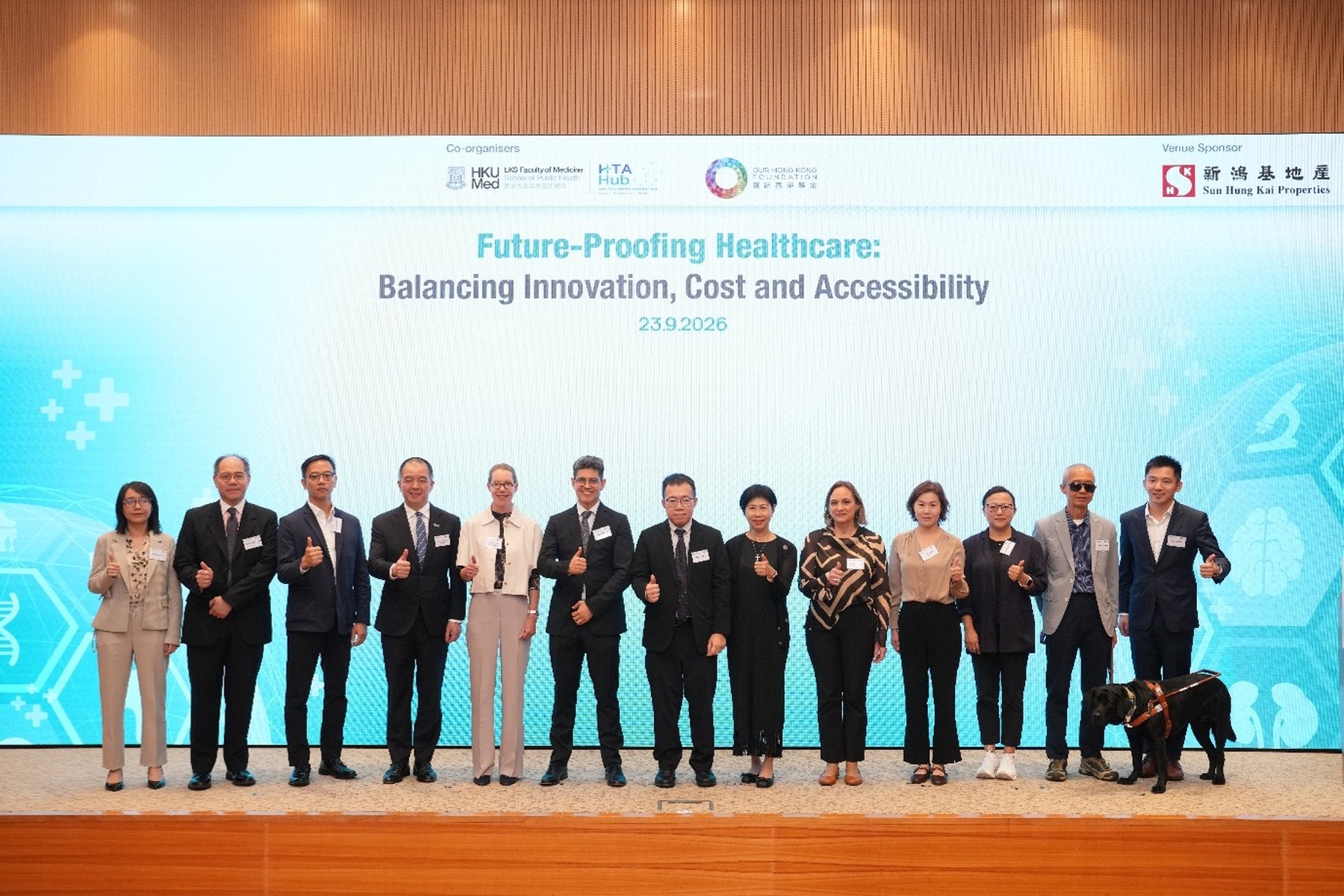
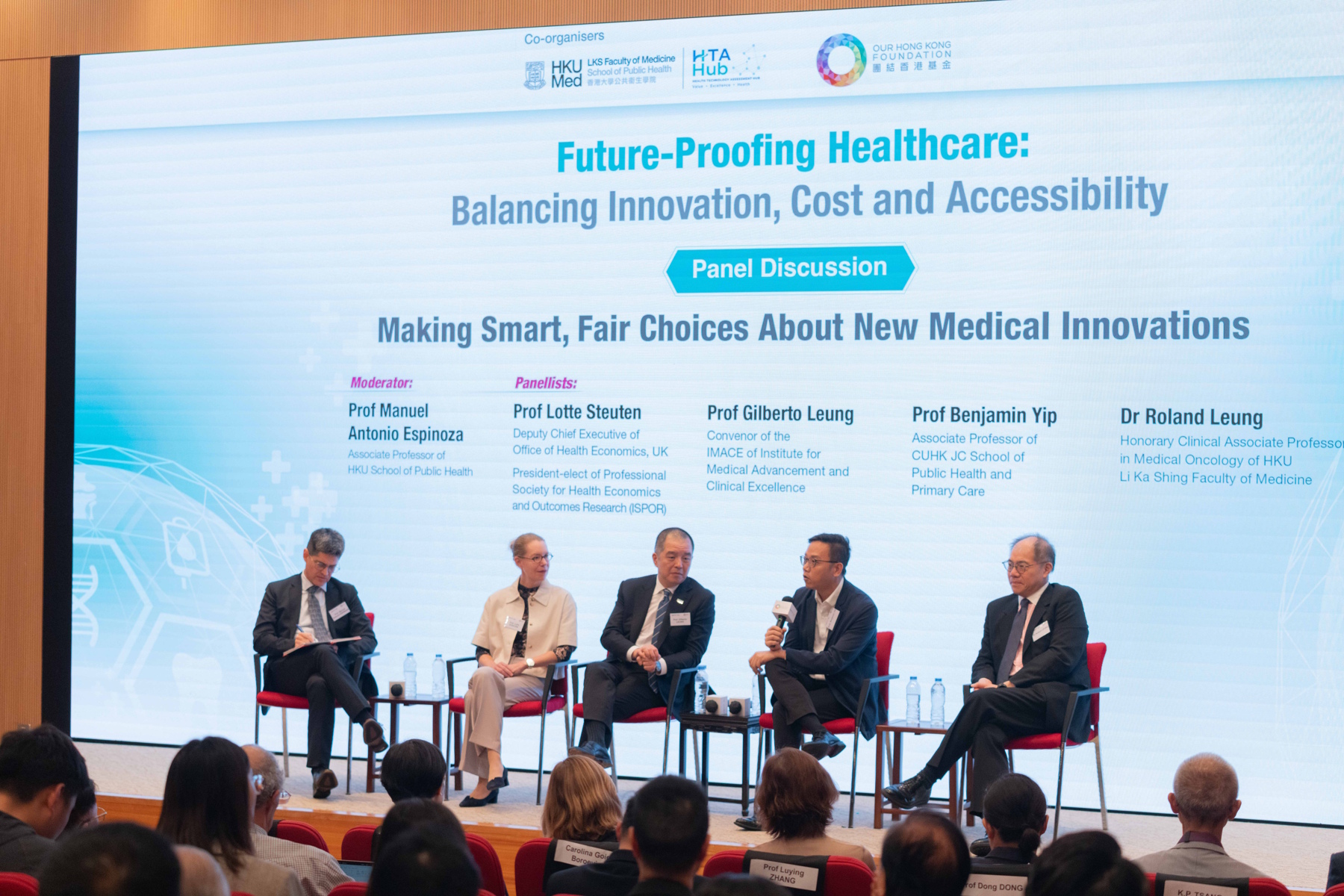
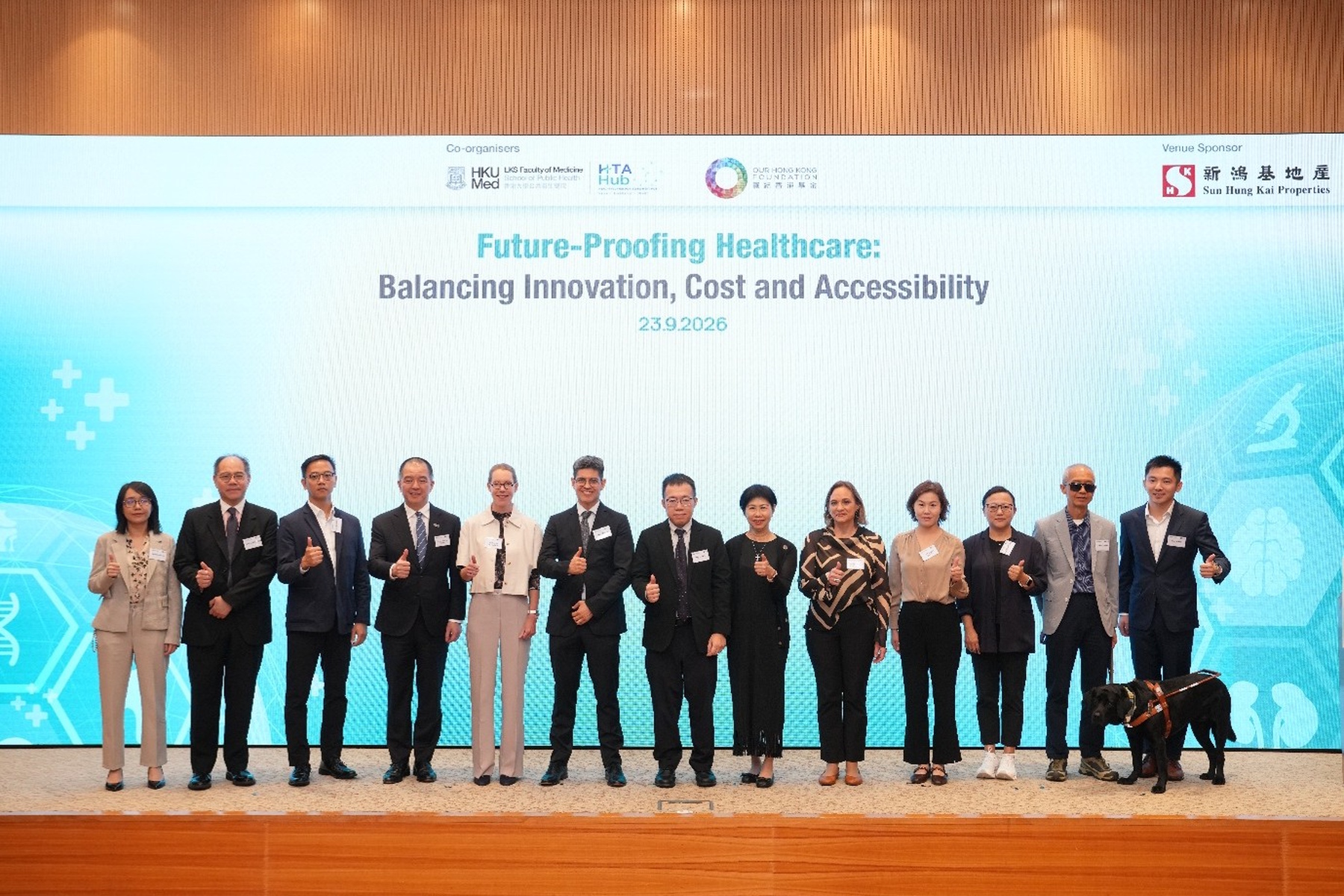
On September 23, 2026, the Health Technology Assessment Hub (HTA Hub) at our School of Public Health and Our Hong Kong Foundation co-organised a forum, “Future-Proofing Healthcare: Balancing Innovation, Cost and Accessibility”, alongside a lunch symposium on precision oncology for breast cancer.
The forum opened with remarks from Mr Raymond Wu, JP, Deputy Secretary for Health; Professor Manuel Espinoza, Associate Professor at our School; and Dr Jane Lee, President of Our Hong Kong Foundation. Keynote speakers Professor Lotte Steuten and Professor Carolina Goić Borojević explored health technology assessment capacity-building in the Asia-Pacific and Chile’s experience in health policy and patient participation. Two panel discussions examined how to make fair, evidence-informed decisions on medical innovation and improve access to breakthrough treatments for cancer and rare diseases.
The lunch symposium, co-organised with the Hong Kong Breast Oncology Group, featured a keynote address by Professor Fatima Cardoso on survival disparities associated with unequal access to biomarker-based treatments. She then joined Dr Janice Tsang and Dr Sung Inda Soong for a panel discussion moderated by Professor Espinoza.
Both events brought together policymakers, researchers, clinicians, and patient representatives to exchange perspectives on translating medical advances into more equitable and sustainable care.

OPTIONS XIII for the Control of Influenza
Pioneering Strategies for Global Health
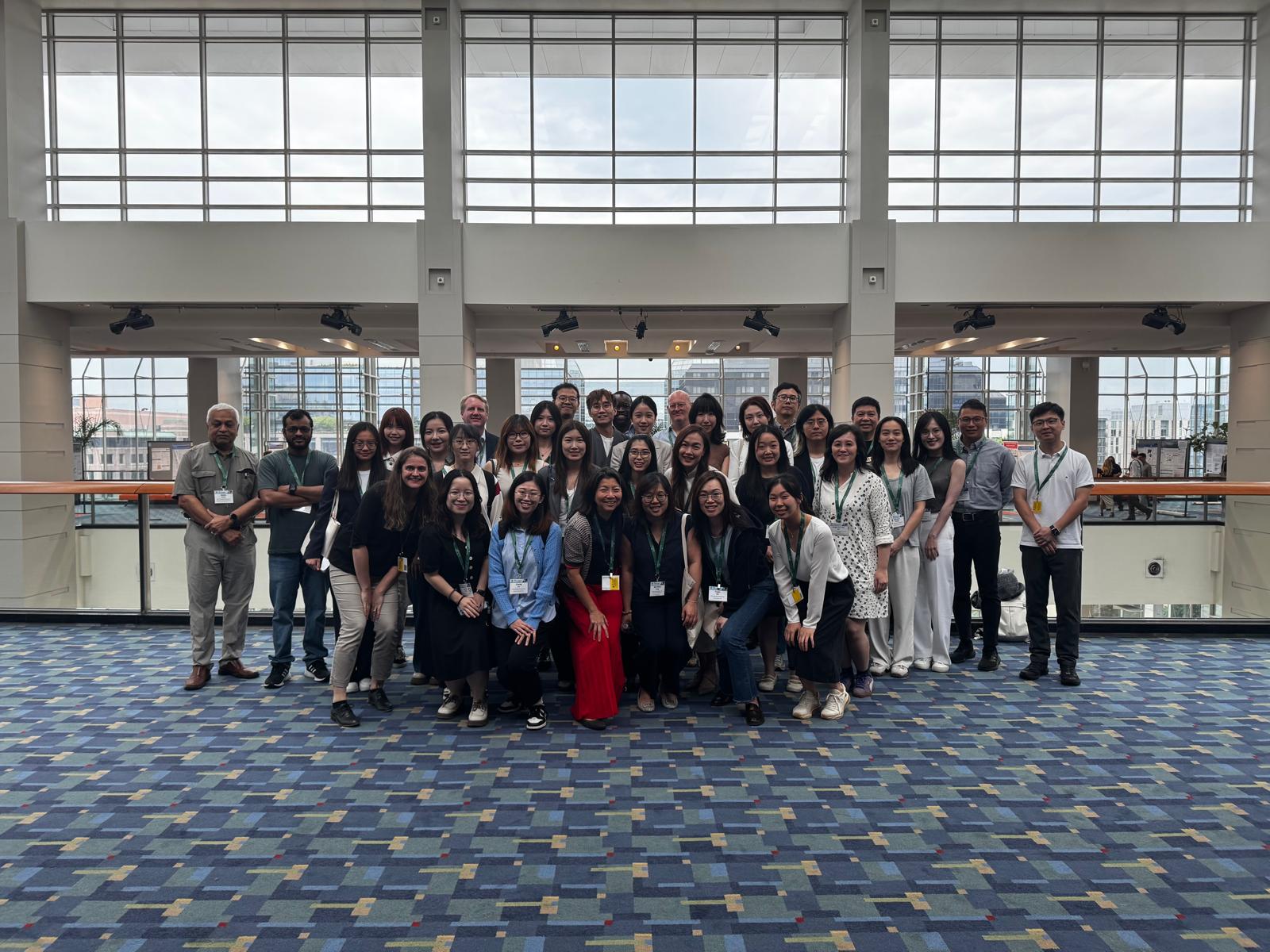
Researchers from our School shared their latest findings and engaged with leading international experts at the Options XIII Conference for the Control of Influenza, held in Washington, D.C., USA, from August 30 to September 2, 2026. The conference explored advances in influenza immunity, prevention, treatment, and vaccine development.
Our School contributed through presentations, session chairing, and scientific committee participation. Professor Michael Chan presented research on H9N2 viruses in human respiratory explants and organoids, while Professor Wong Sook-san discussed the breadth of antibody responses to avian influenza neuraminidases. Professor Ben Cowling co-chaired a session on respiratory virus epidemiology and interventions and participated in the “How to Get Published” panel. Professor Vijaykrishna Dhanasekaran was also invited to co-chair the Zoonotic Influenza session.
RPg students Li Min, Li Xinyi, Peng Liping, Yu Xuan, Yani Wu, Zhang Chengyao, Huang Xiaotong, and Jennifer Zhong, were selected to deliver oral presentations. Jennifer Zhong received the Best Oral Presentation award in the “Public Health” category for her research on measuring population influenza immunity using routine serology. Our School was further represented by 34 poster presenters, eight of whom were named among the conference’s travel awardees.
This international conference provided a valuable opportunity to share our findings, receive feedback, network and exchange ideas. Discussions on influenza immunity, vaccine development, and surveillance informed our ongoing research and reinforced the importance of international collaboration in strengthening influenza preparedness.
The HKU Jockey Club Institute of Cancer Care Joins the World Cancer Congress 2026
Connecting Globally for Better Cancer Care
The HKU Jockey Club Institute of Cancer Care (HKUJCICC) participated in the World Cancer Congress 2026, held at the Hong Kong Convention and Exhibition Centre from September 24 to 26. During the event, the HKUJCICC team connected with global healthcare leaders, researchers, and oncology advocates to share insights from the Jockey Club Cancer Care for Survivors Project and explore new avenues for comprehensive cancer care.
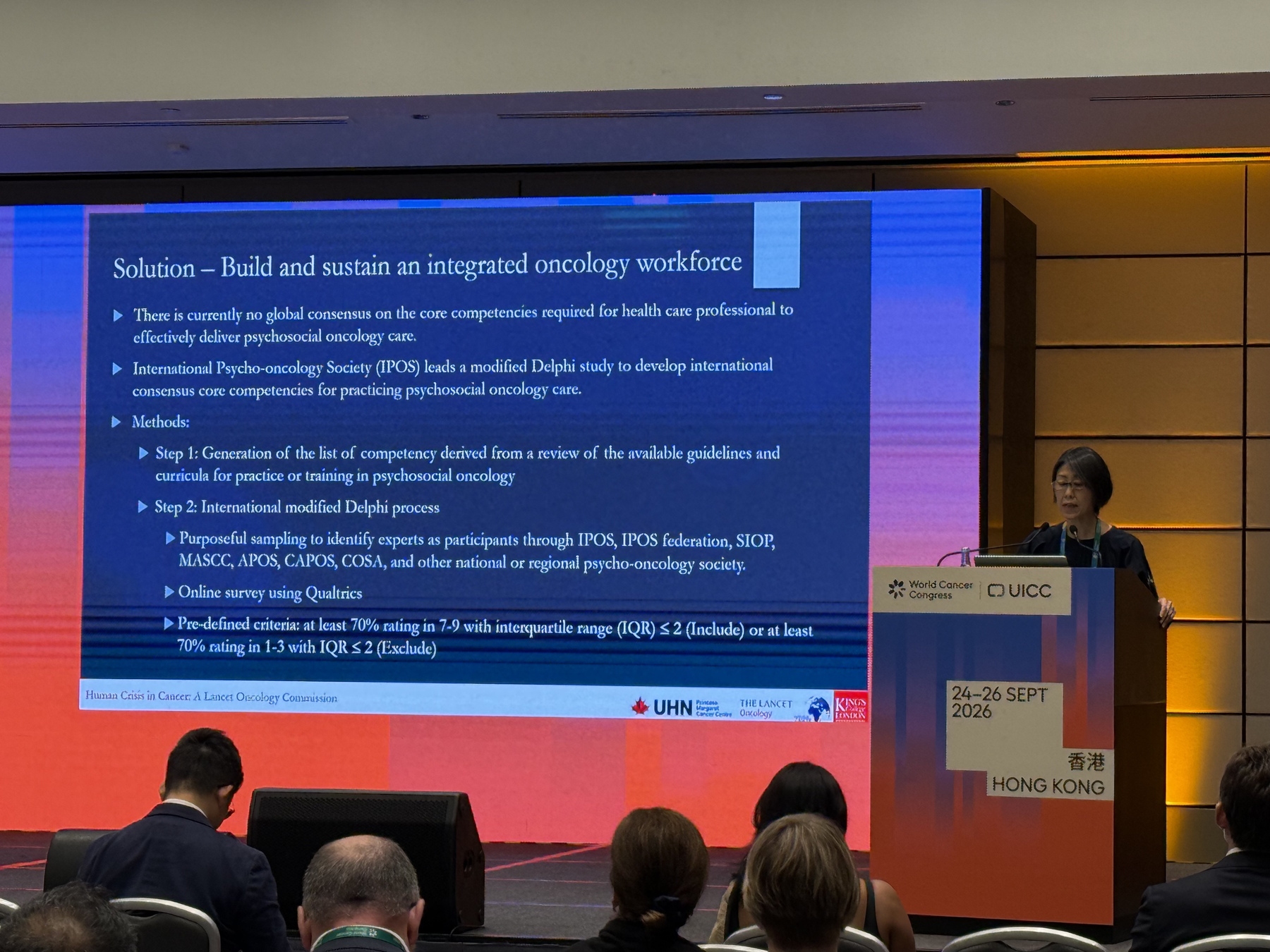
Professor Wendy Lam, Past President of the International Psycho-oncology Society (IPOS), Director of HKUJCICC and Associate Professor at our School, shared her expertise across two sessions.
She presented at the session on “The Human Crisis in Cancer: A Lancet Oncology Commission”, which highlighted the importance of building a globally agreed framework of psychosocial oncology competencies to address the unmet needs of people affected by cancer.
She also chaired and coordinated the parallel session on “Psychosocial Care in Routine Cancer Care: Mapping Strengths and Challenges in Asia and Africa”, bringing together experts from India, China and Nigeria. The panel discussed key barriers, opportunities, and strategies for integrating psychosocial and supportive care into routine cancer services across emerging regions.
We thank everyone who visited the booth and attended the sessions. Through collaboration and innovation, we continue to drive meaningful progress toward more equitable, holistic, and sustainable cancer care for all.

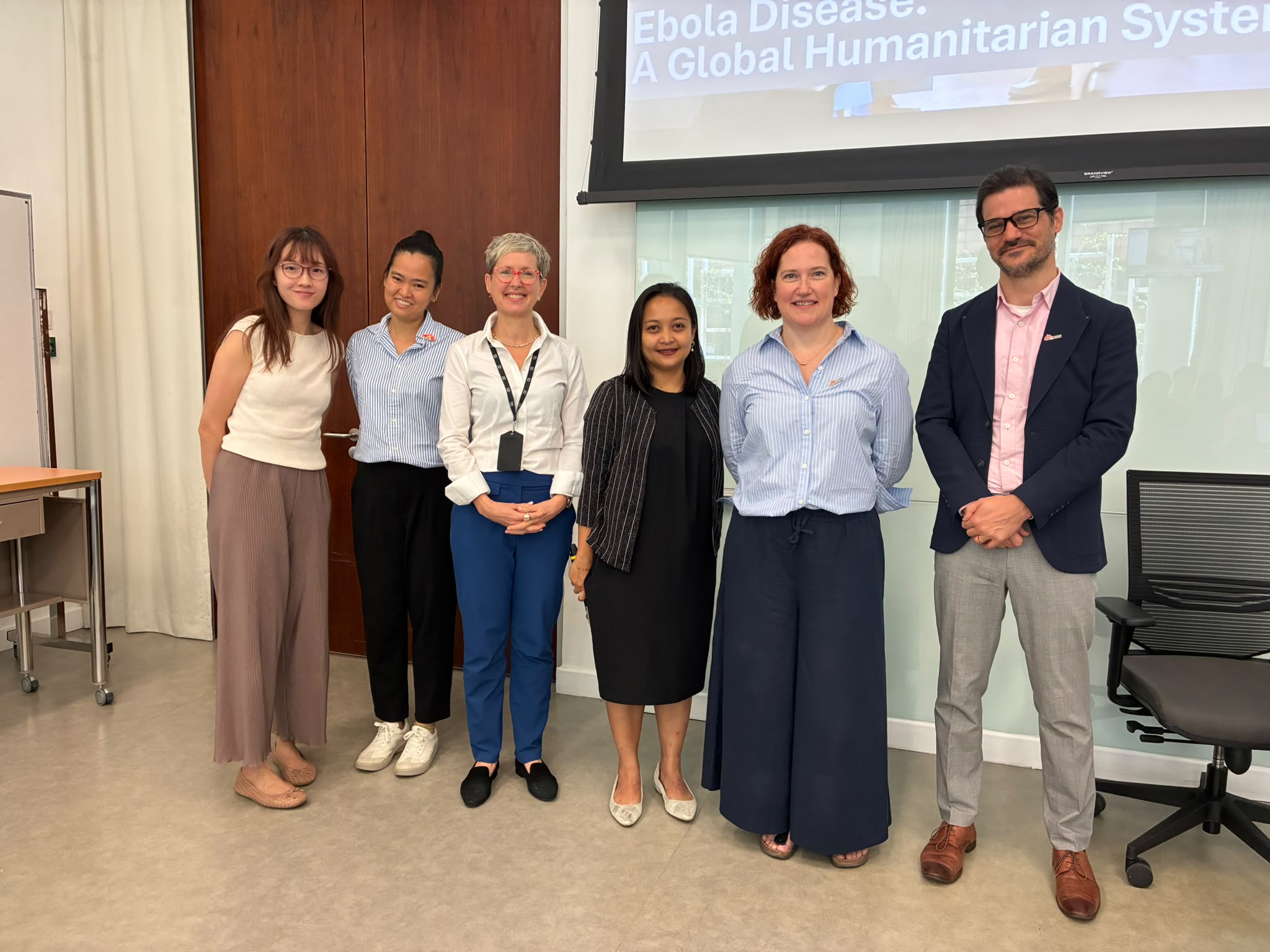
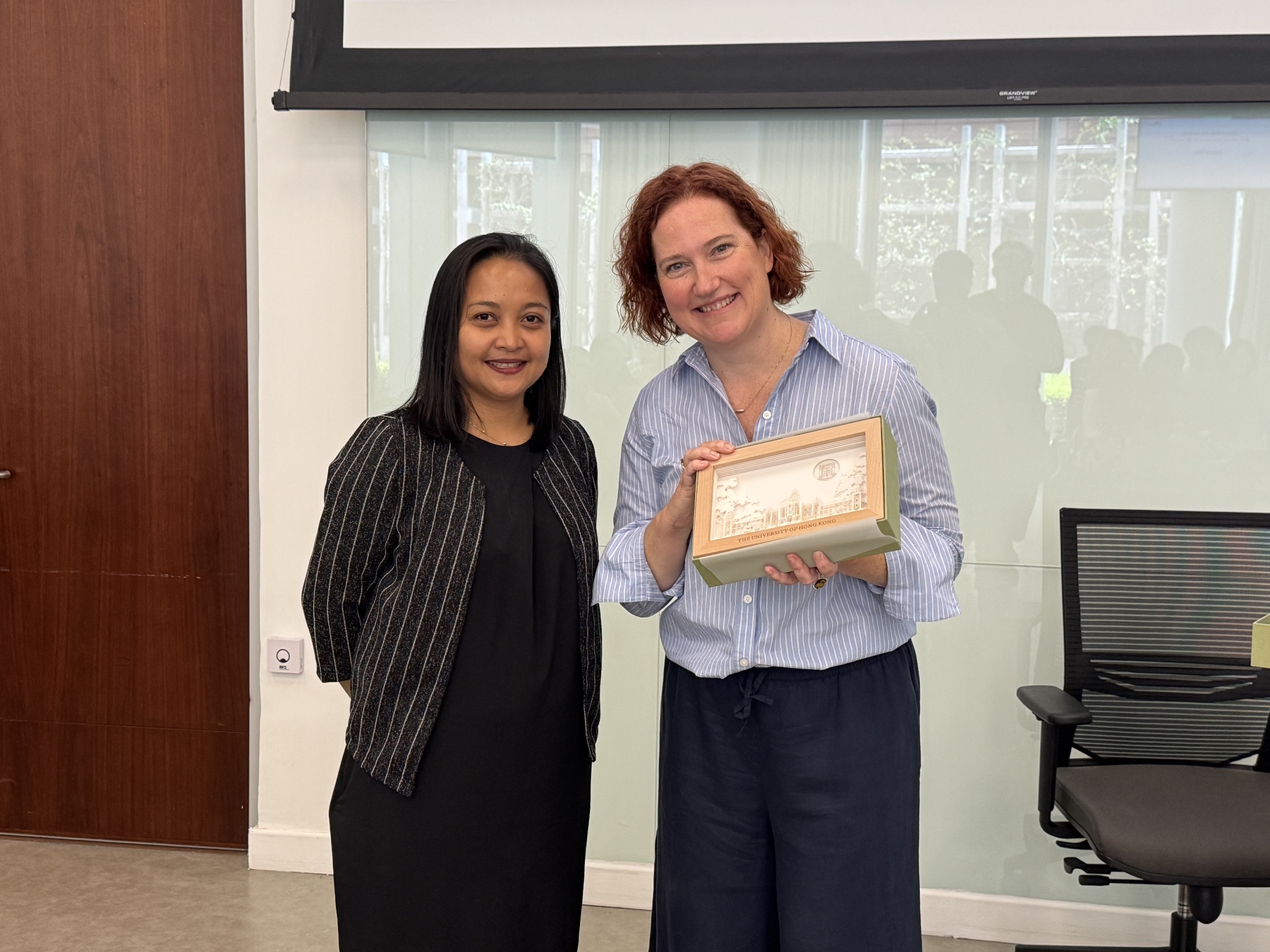
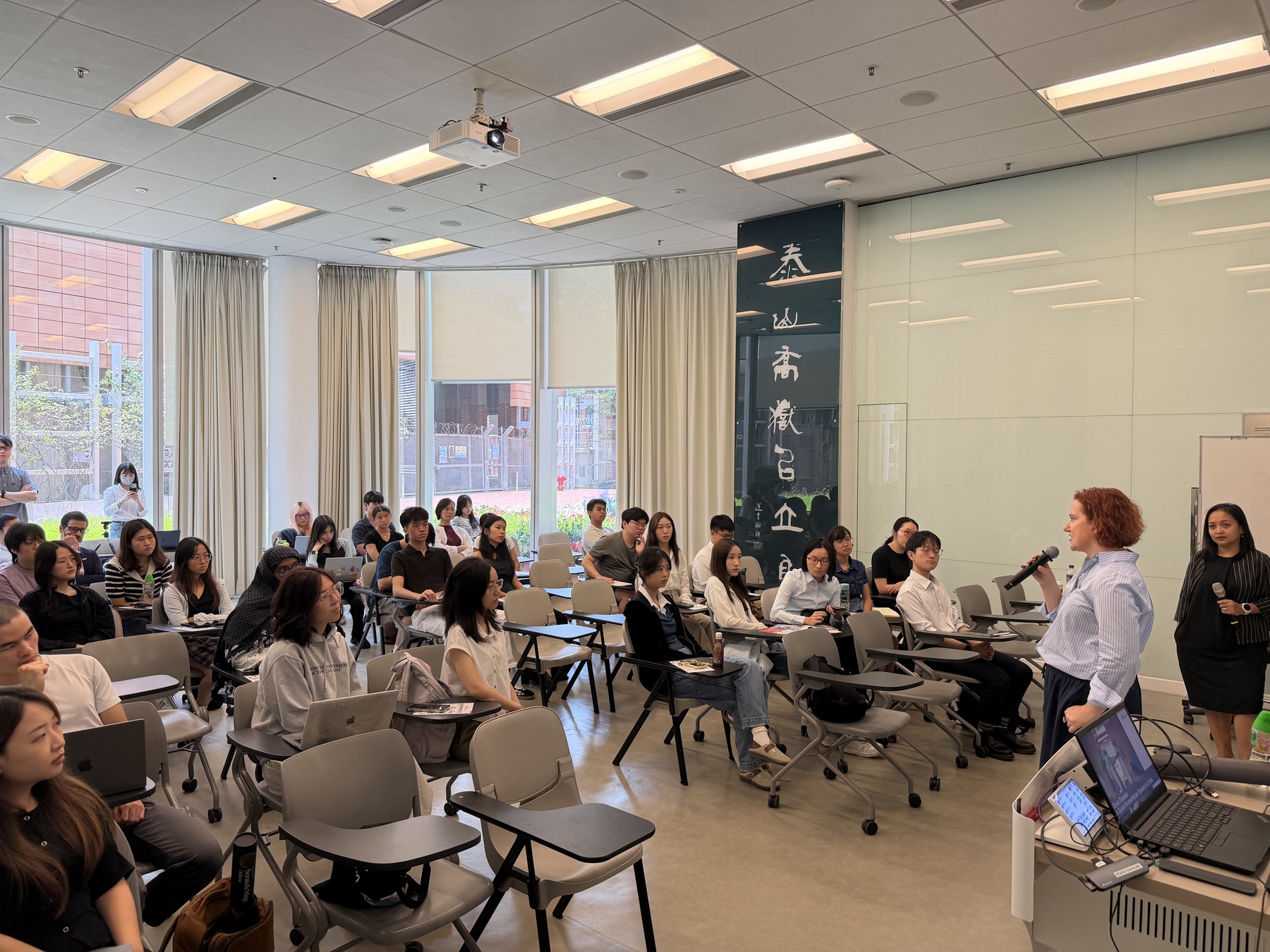
A Humanitarian Seminar Co-Hosted with Médecins Sans Frontières Hong Kong
Realities, Challenges, and Career Pathways in the Frontline Emergency Response
Our School co-hosted a seminar with Médecins Sans Frontières Hong Kong (MSF HK / Doctors Without Borders), featuring Ms Kate White, MSF Emergency Medical Coordinator.
Drawing from her recent mission in the Democratic Republic of the Congo (DRC), Ms White shared first-hand insights with medical and public health students on responding to an Ebola outbreak in the country’s history. She highlighted the complex realities of frontline emergency response—from managing high mortality rates across six treatment centres to building vital community trust amidst conflict and displacement.
It provided an invaluable opportunity for our students to engage with real-world global health challenges and explore career pathways in humanitarian response.
We thank MSF HK for bringing these essential perspectives to our campus and inspiring our future healthcare leaders.
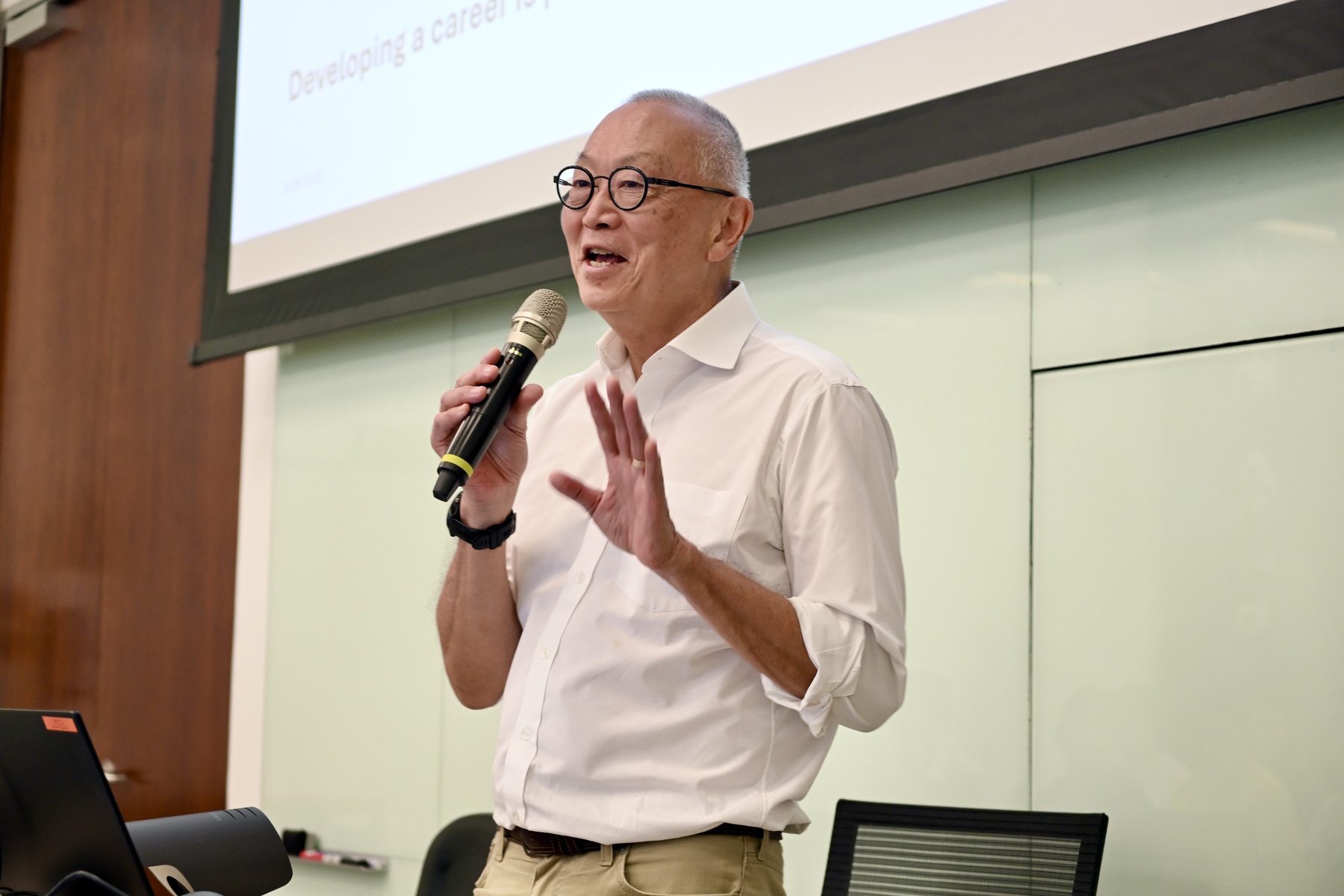
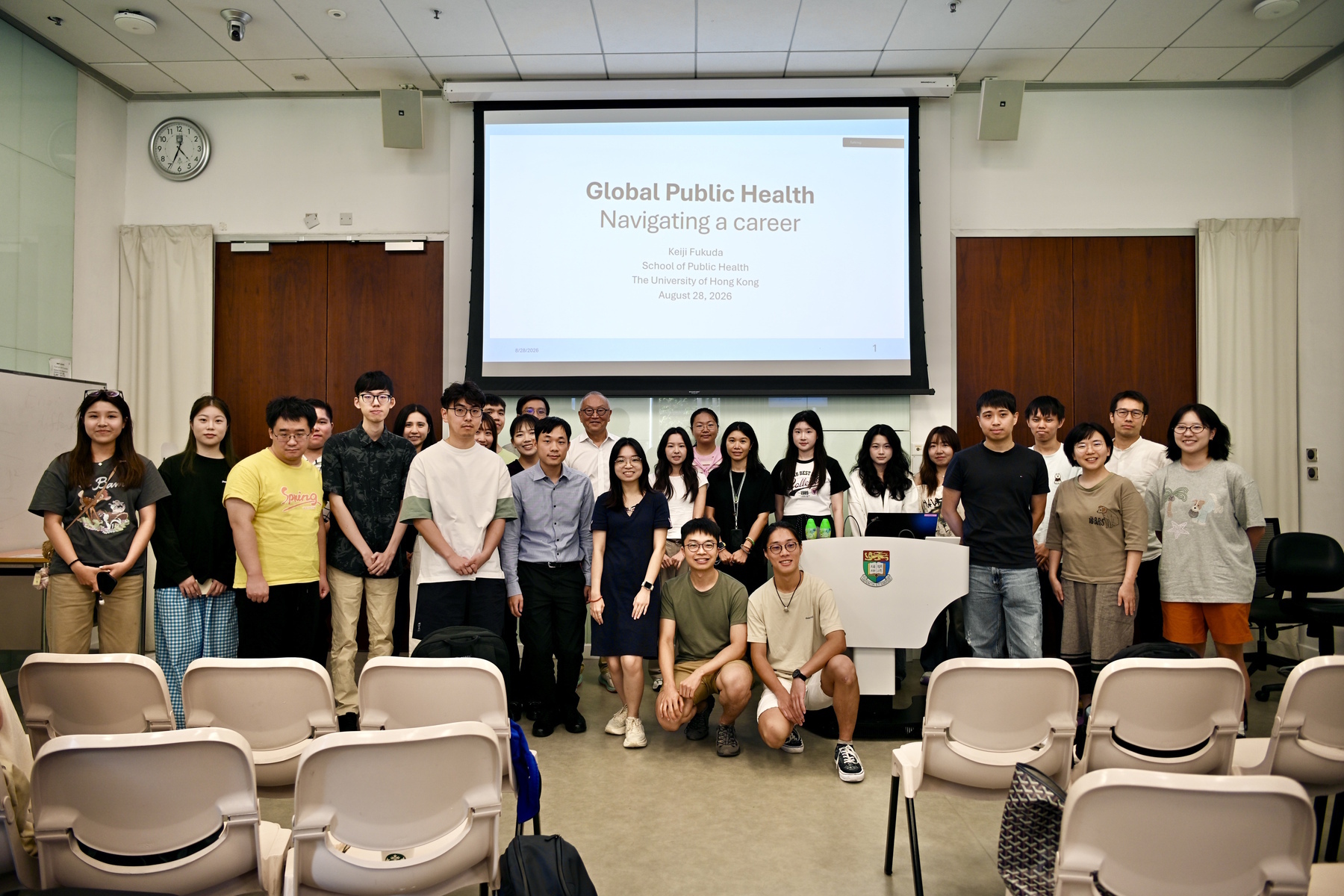
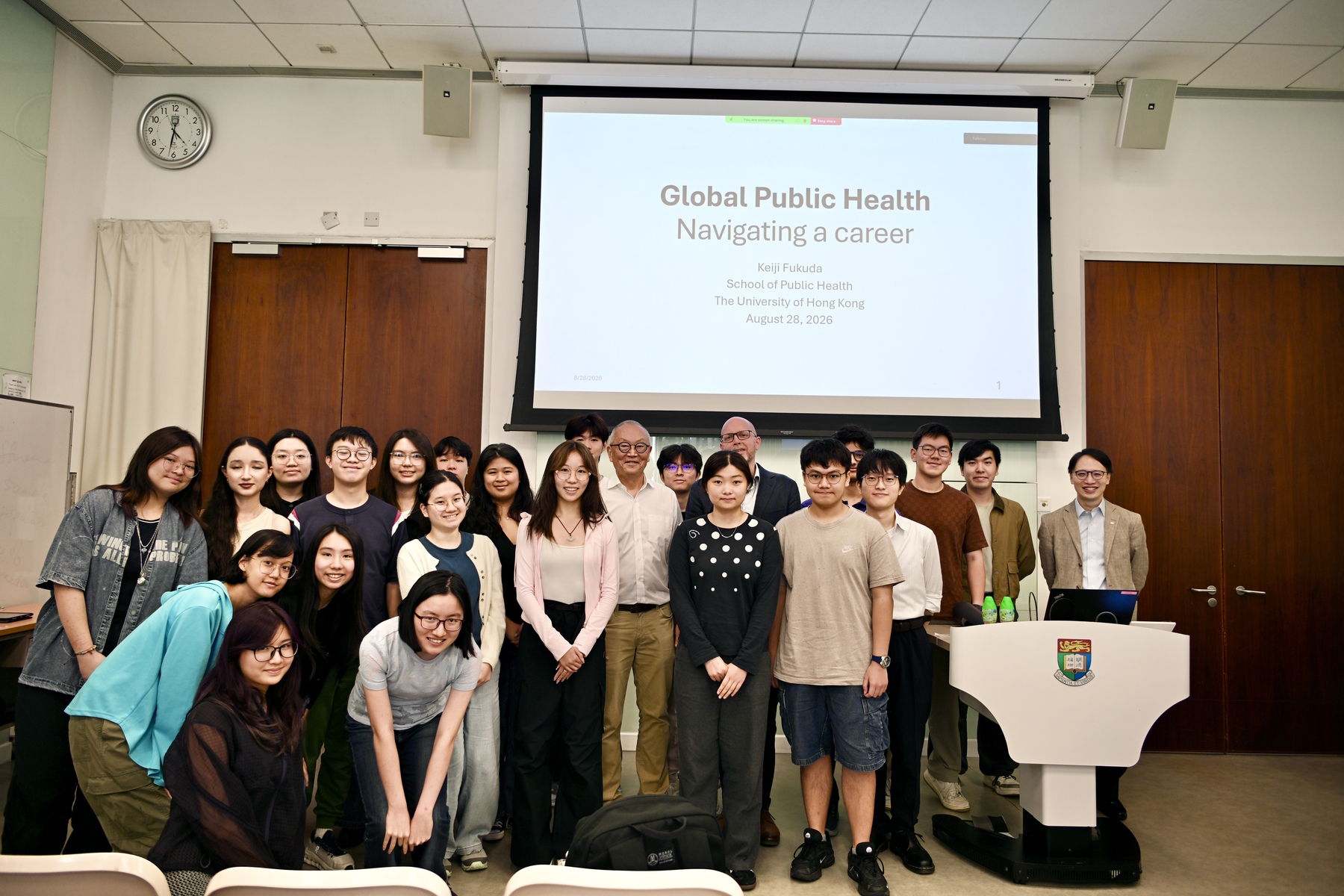
Career Development in Today’s Global Public Health Landscape
Sharing Session by Former SPH Director Professor Keiji Fukuda
We are honoured to welcome back Professor Keiji Fukuda, our Honorary Professor and former School Director (2017-2021), for an inspiring session titled “Career Development in Today’s Global Public Health Landscape.”
Drawing on his extensive experience as former Assistant Director-General at the World Health Organization (WHO) and Chief of Epidemiology of the Influenza Branch at the U.S. Centers for Disease Control and Prevention (CDC), Professor Fukuda offered profound insights into disease control, strategic career planning, and professional growth in an evolving global public health landscape.
The interactive session brought together a vibrant audience, including our Master of Public Health (MPH) and Bachelor of Arts and Sciences in Global Health and Development [BASc(GHD)] students, alumni, as well as aspiring secondary school students. Participants engaged in meaningful discussions on the dynamic opportunities and challenges facing the next generation of global public health professionals.
We extend our heartfelt gratitude to Professor Fukuda for his continued dedication to mentoring, guiding, and empowering our future public health leaders.
Orientation Week
Welcome to the School of Public Health Family
It is our pleasure to welcome this year’s new cohorts of BASc in Global Health and Development [BASc(GHD)], Master of Public Health (MPH), and Research Postgraduate (RPg) students to our School. Orientation Week kicked off their academic journey with great energy, offering a rich programme of informative sessions, hands-on activities, and meaningful opportunities to build connections with fellow students and our community.
BASc(GHD)
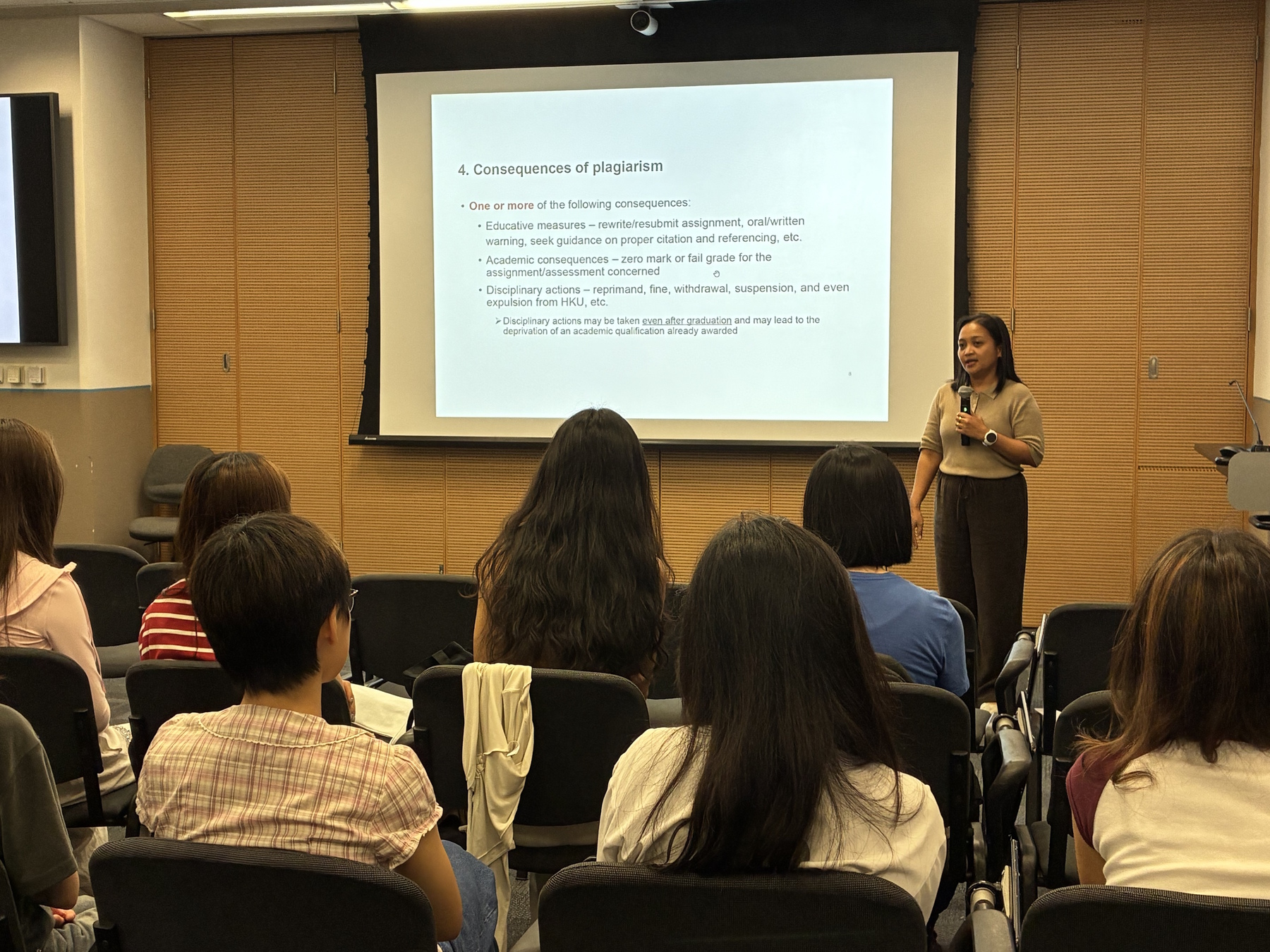
We are excited to announce that 34 students have been admitted to the BASc(GHD) programme in the 2026-2027 academic year. Apart from local students, we have students coming from Ukraine, the USA, the Philippines, South Korea, Vietnam, India, and the Chinese Mainland. The students attended a welcoming session with the Programme Director, Professor Chung Pui-hong, and Assistant Lecturer, Mrs Baikong Mamid. During the programme induction, Professor Chung shared highlights of the BASc(GHD) curriculum and the importance of academic integrity. Students also had the chance to connect with the HKU GHD Society and bond with fellow classmates.
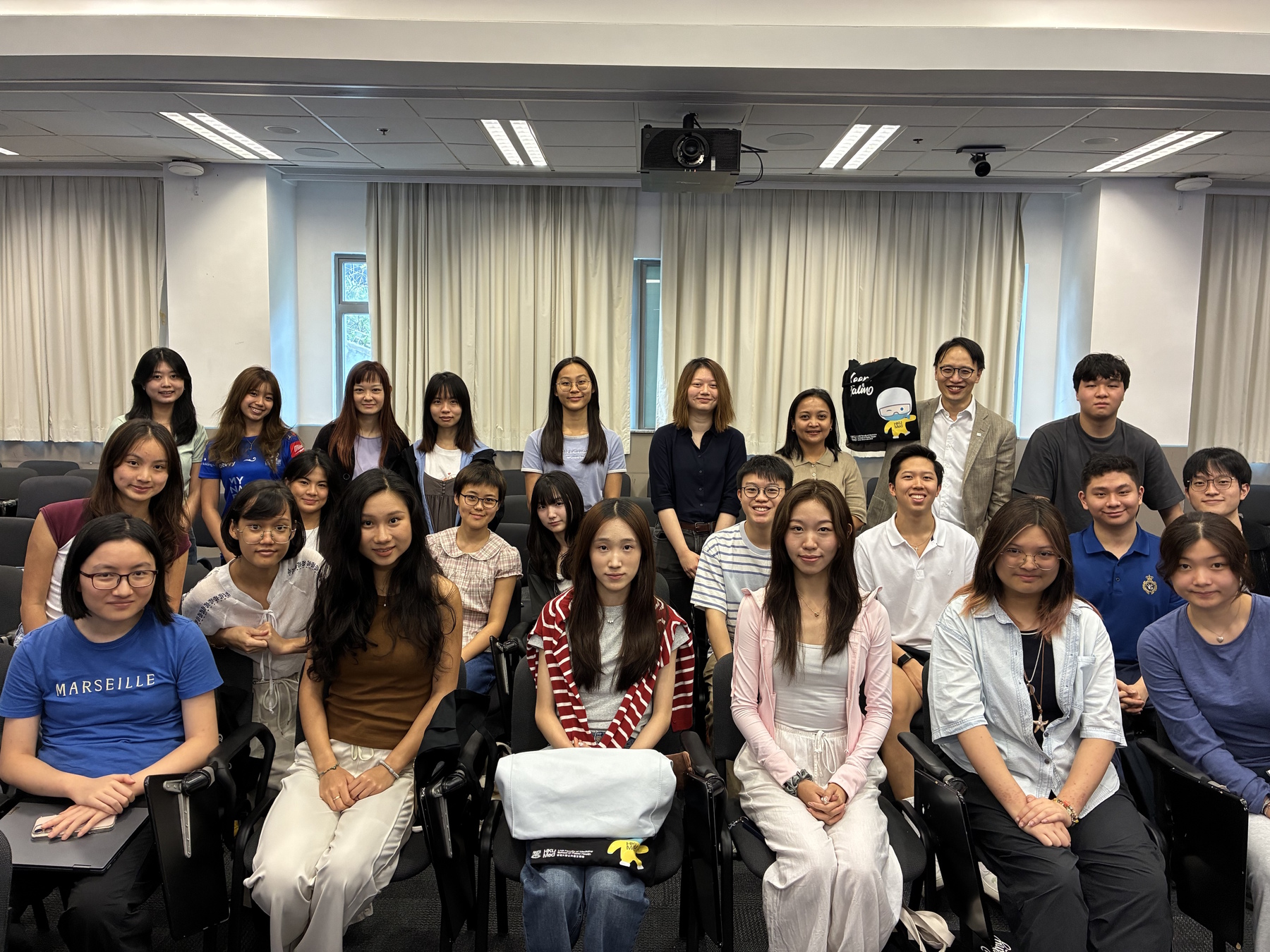
MPH
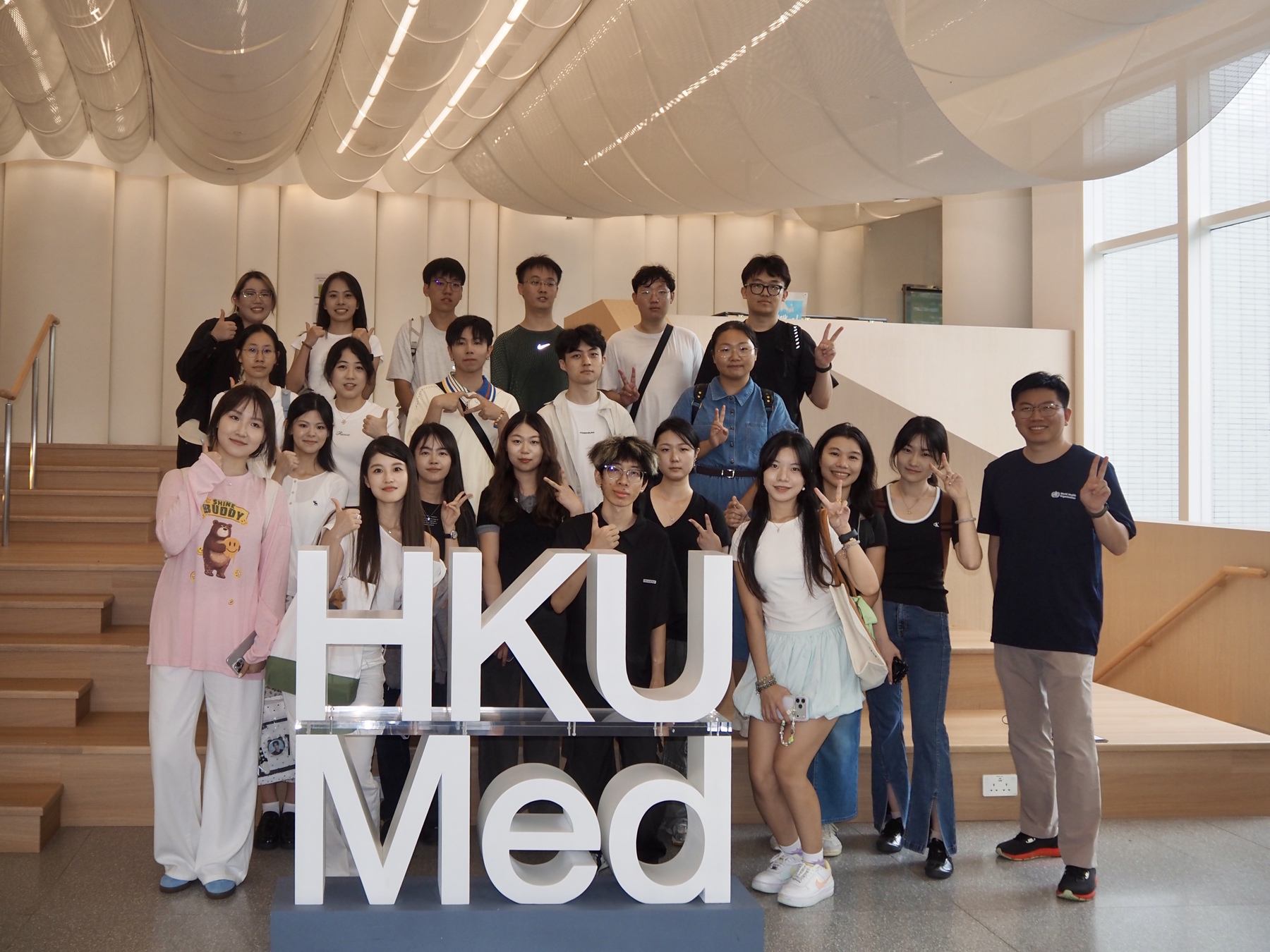
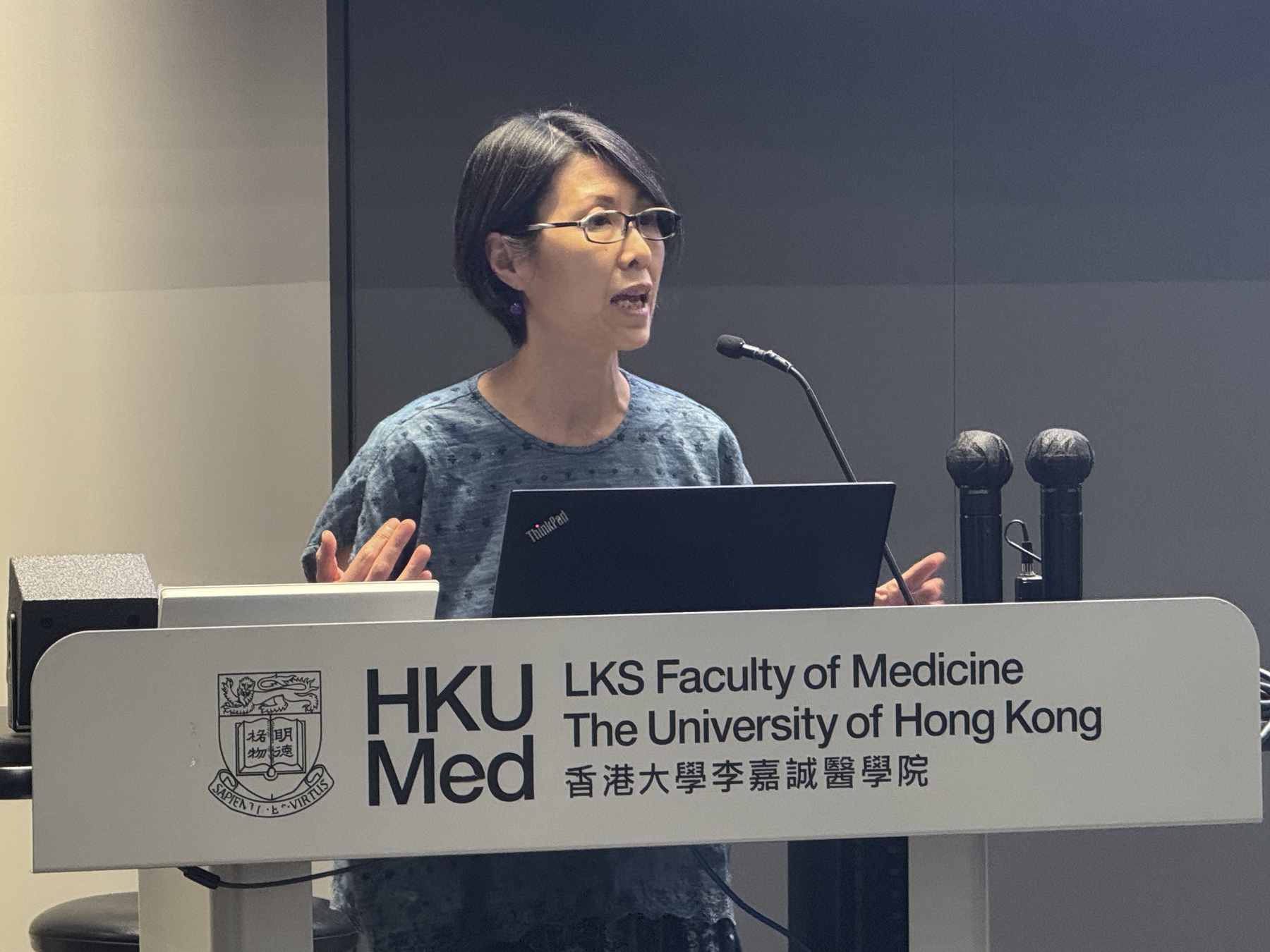
The event’s highlights included an inspiring welcome addresses by Professor Hui-Ling Yen, our School’s Interim Director and Professor, and Professor Wendy Lam, MPH Programme Director and the School’s Interim Deputy Director; an MPH alumni sharing session; and a medical campus tour of our laboratories and facilities. This year, we are proud to welcome a diverse cohort of incoming students from across the globe, including Asia (the Chinese Mainland, Hong Kong, Cambodia, India, and Malaysia) and Europe (Georgia). This diversity reflects the global reach and inclusive spirit of our programme.
RPg
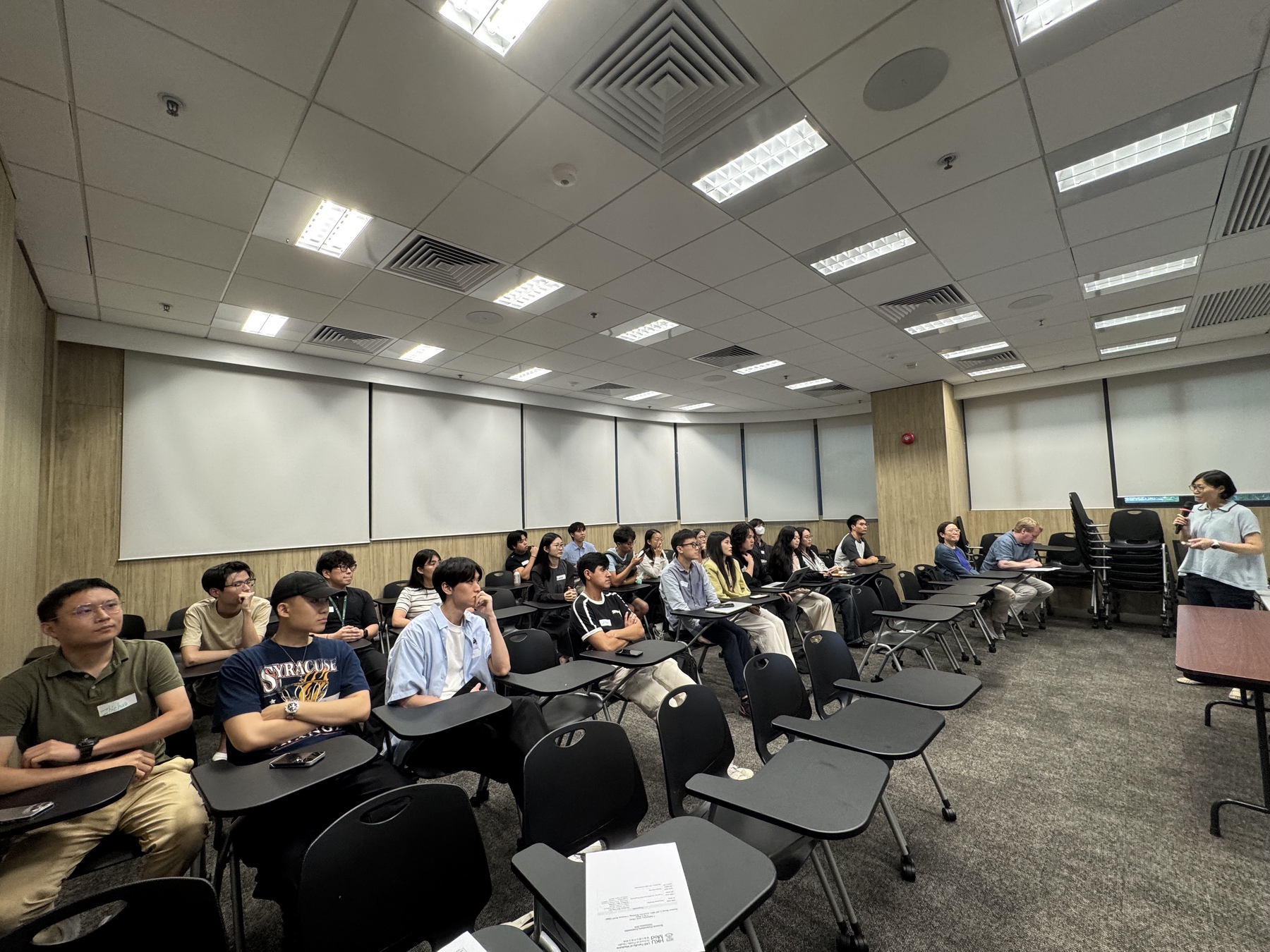
We are delighted to welcome our 28 new RPg students from the Chinese Mainland, Hong Kong, South Korea, and Peru to our SPH family. During the orientation session, they had the opportunity to meet Professor Hui-Ling Yen, our School’s Interim Director and Professor, and Professor Ben Cowling, representing the Chairman of the Departmental Research Postgraduate Committee (DRPC), along with our current PhD student Ms Erica Conway. The speakers provided an in-depth introduction to the programme and shared inspiring words for the journey ahead.
Seminar by Professor Helen Skouteris
Broadening the Lens of Implementation Science: Equity, Inclusion and Moving Beyond Western Approaches
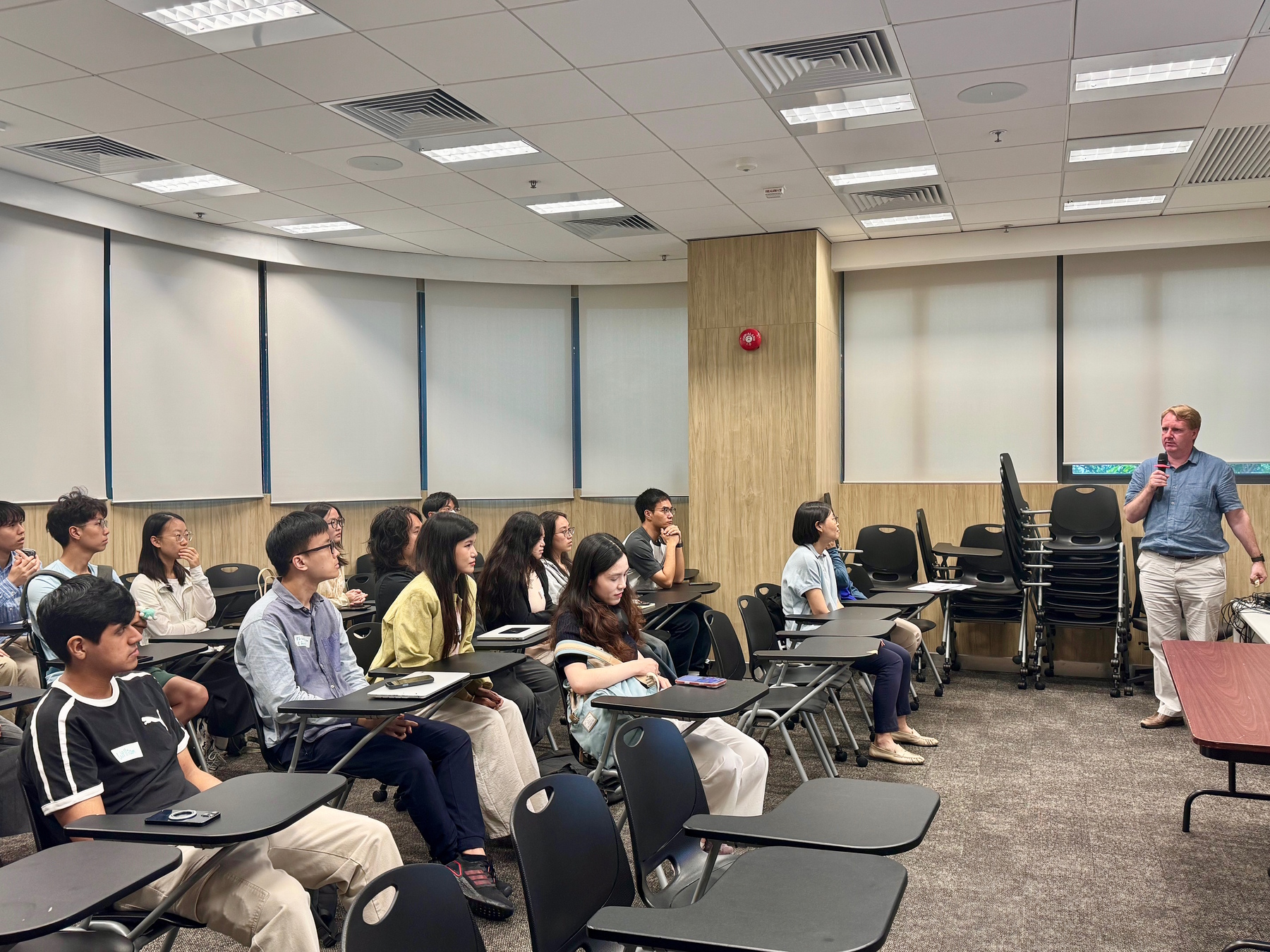
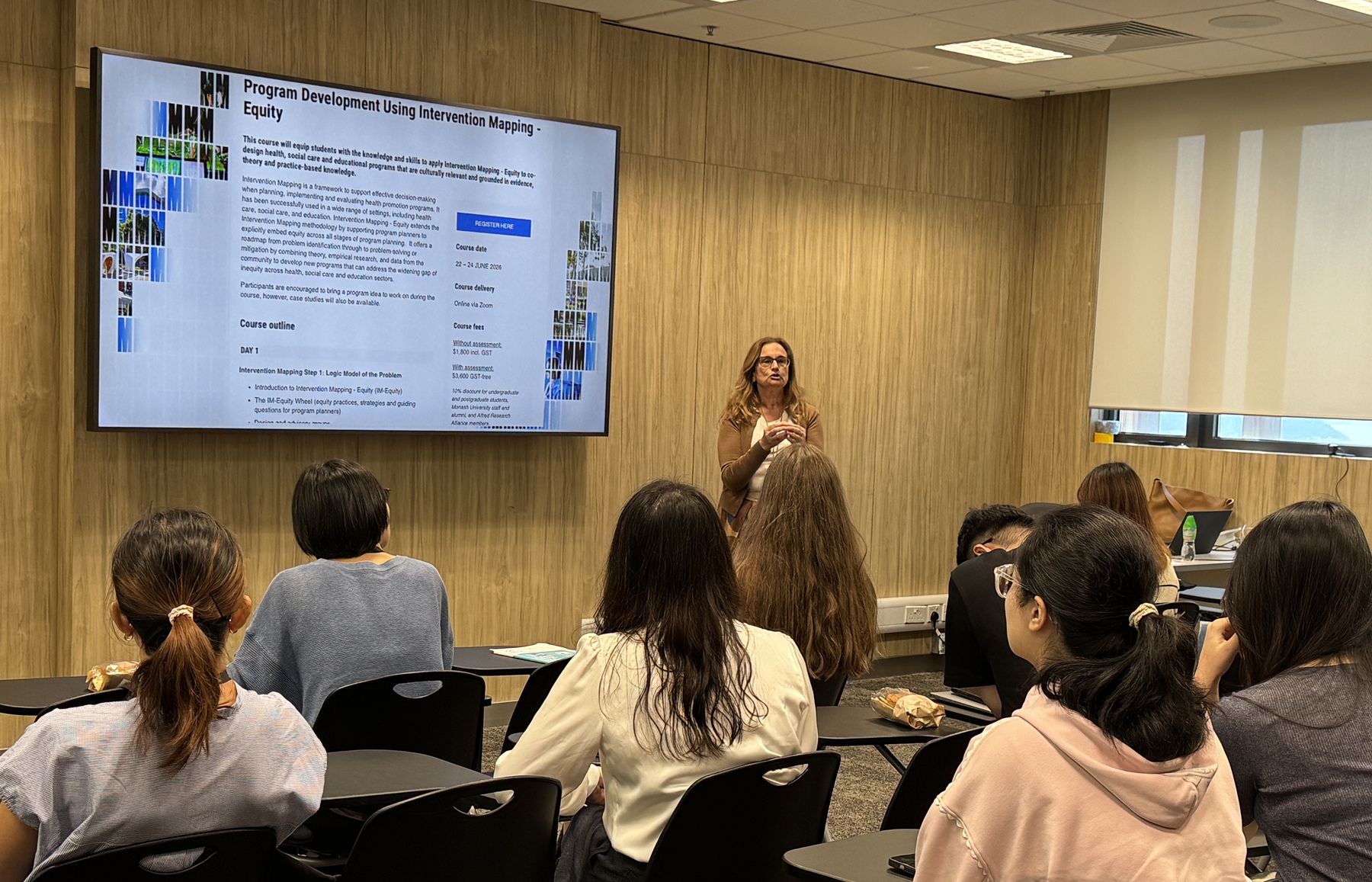
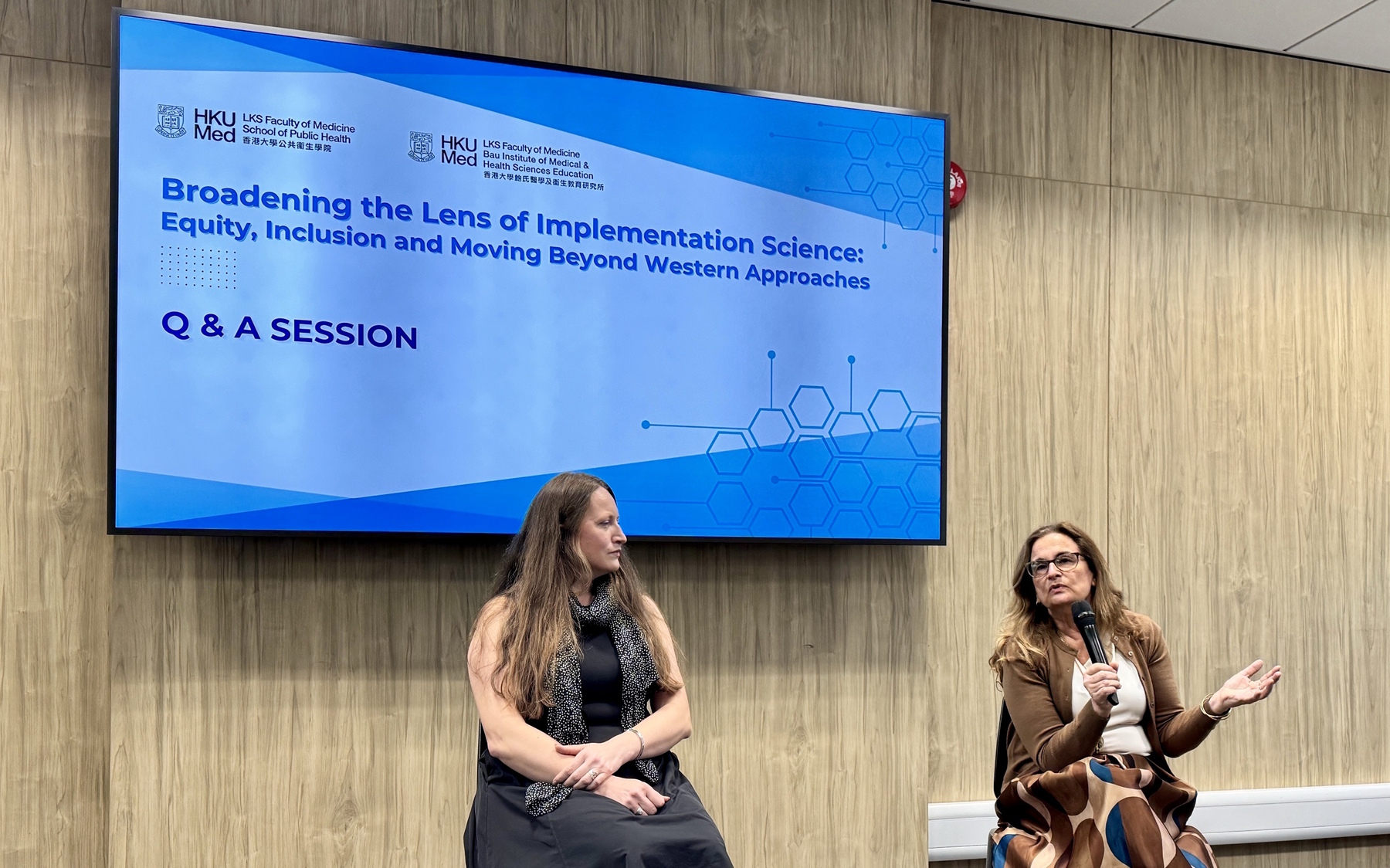
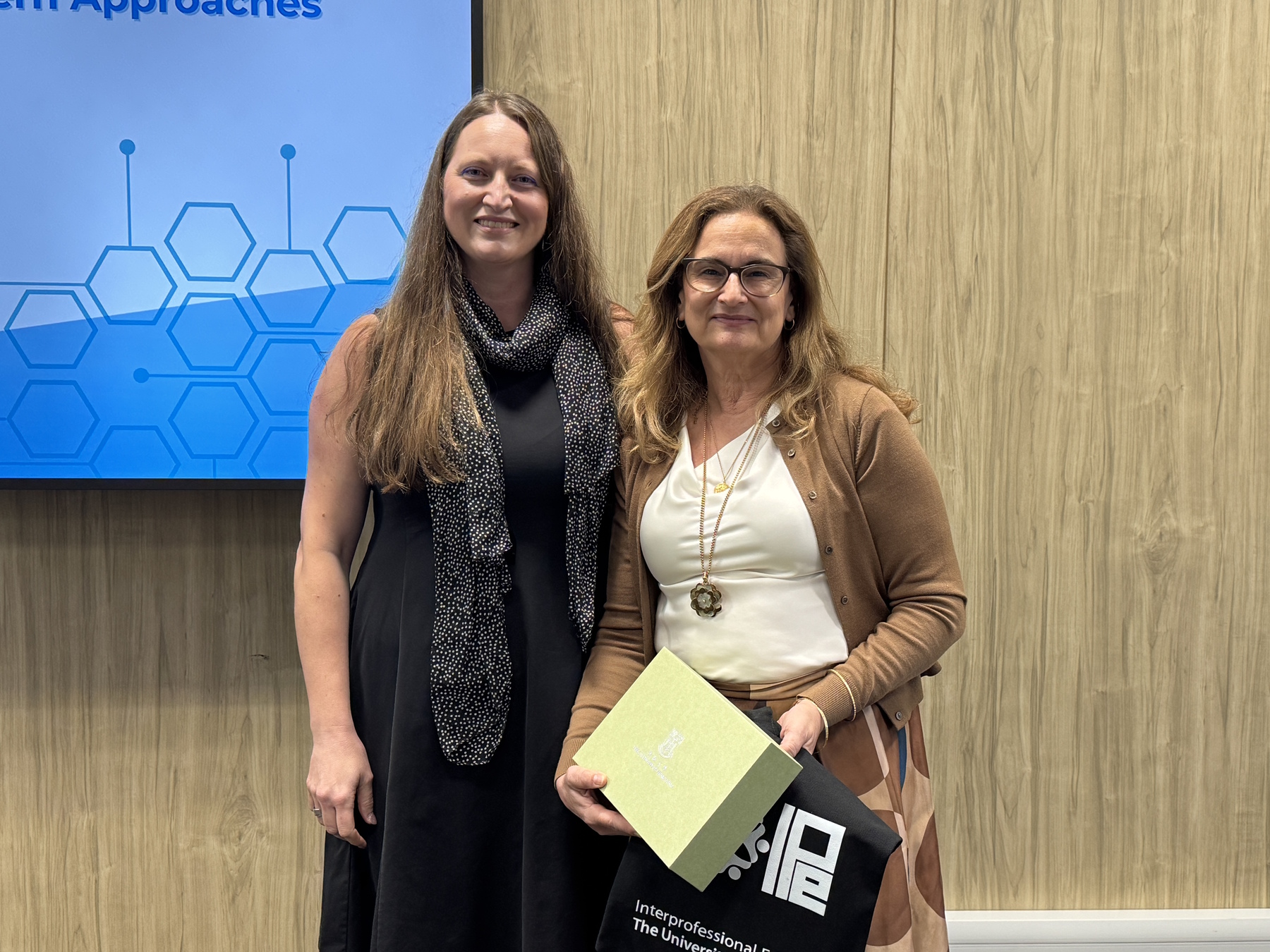
On August 7, 2026, our School and the Bau Institute of Medical & Health Sciences Education (BIMHSE) co-hosted a seminar titled “Broadening the Lens of Implementation Science: Equity, Inclusion and Moving Beyond Western Approaches” presented by Professor Helen Skouteris, Monash Warwick Alliance Professor in Health and Social Care Improvement and Implementation Science, who is also the Head of the Health and Social Care Unit (HSCU) at Monash University, Australia, and a Fellow of the Academy of the Social Sciences in Australia.
Drawing on her background as a developmental psychologist and her leadership in the world-first Strengthening implEMentation Practice and Research with Equity (SEMPRE) programme, Professor Skouteris explored why an equity-focused approach is critical to improving health, social care, and educational outcomes. Moving beyond traditional Western models shaped largely by Global North researchers, she introduced equity-driven frameworks such as the Model of Equitable Transdisciplinary Implementation Science (METIS) and Intervention Mapping–Equity (IM-Equity). She highlighted how equitable implementation science must centre social justice, address power dynamics, incorporate indigenous and transcultural knowledge systems, and leverage co-design to achieve sustainable, real-world impact.
The seminar concluded with a Q&A session moderated by Professor Danijela Gasevic, Professor of Practice at our School and BIMHSE, who fielded many thoughtful questions from the audience.
Seminar by Professor Maria Zambon
Lessons From the Past to Shape Future Pandemic Responses
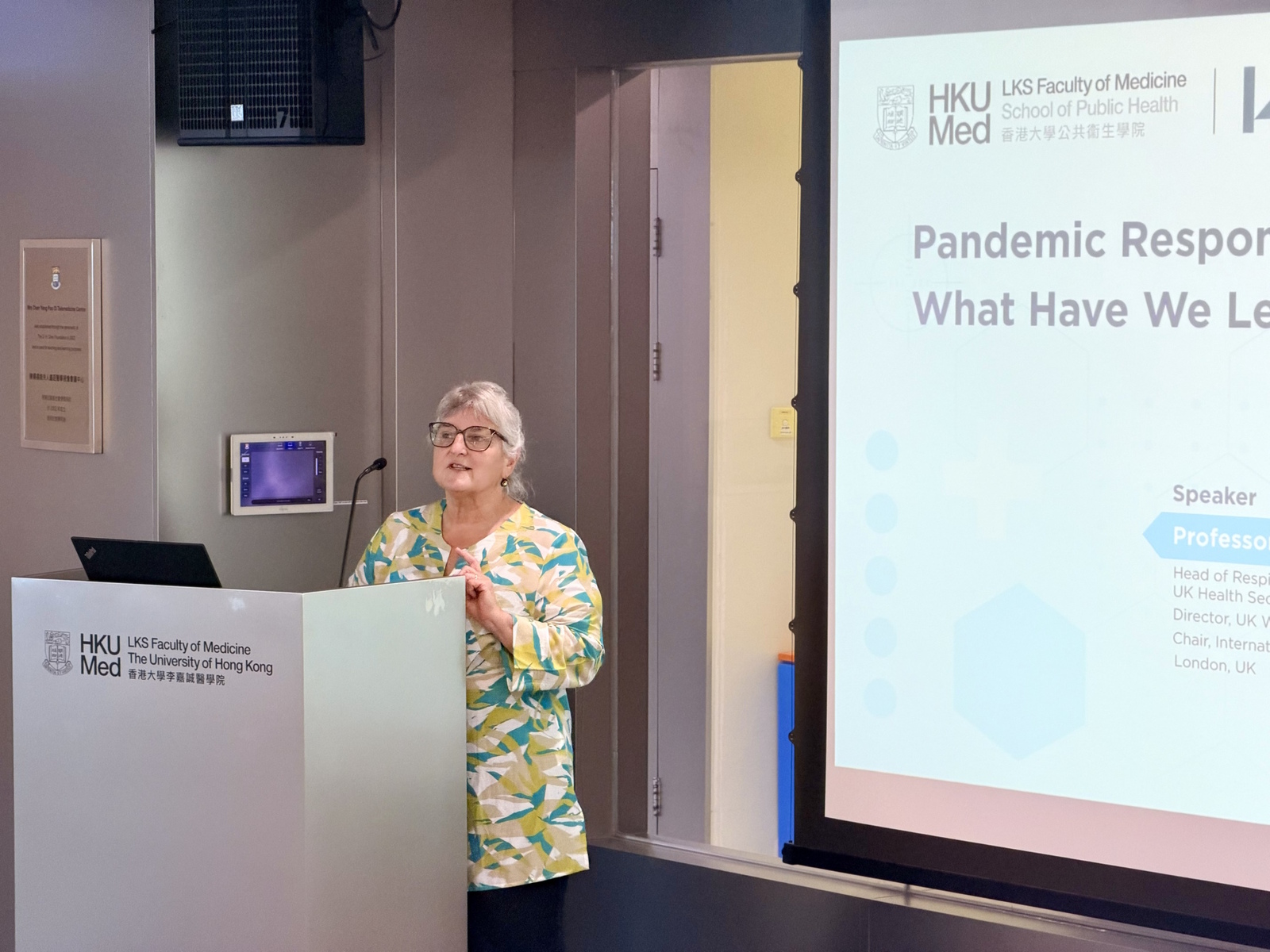
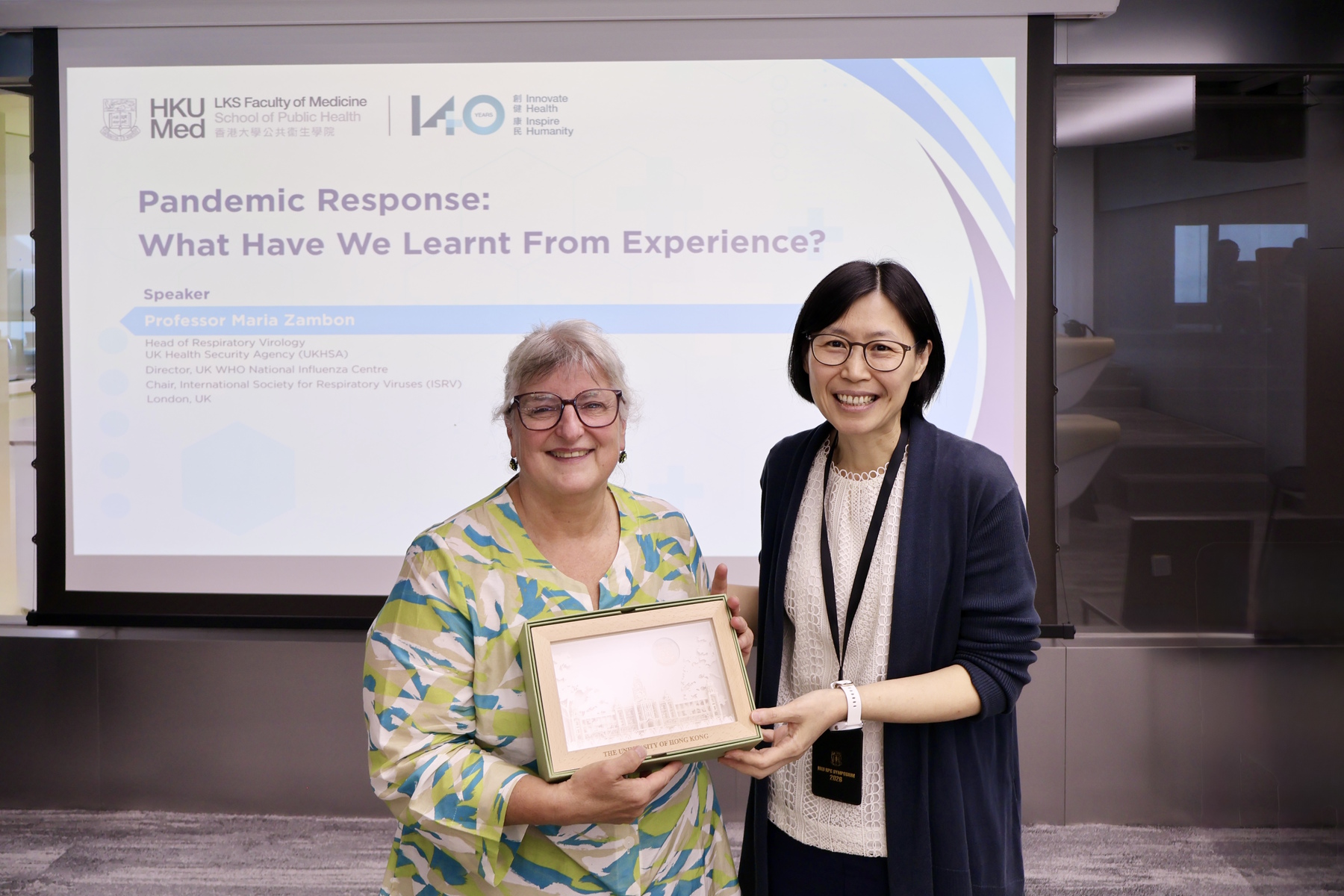
On October 15, 2026, our School hosted a seminar titled “Pandemic Response: What Have We Learnt From Experience?” by Professor Maria Zambon, Head of Respiratory Virology at the UK Health Security Agency (UKHSA), Director of the UK WHO National Influenza Centre, and Chair of the International Society for Respiratory Viruses (ISRV), London, UK. The event took place at the HKU medical campus, bringing together members from across the academic and public health communities.
The event commenced with welcoming remarks by Professor Hui-Ling Yen, Interim Director and Professor of the School. During the presentation, Professor Zambon provided a comprehensive overview on global pandemic preparedness, tracing how antiviral therapies introduced for seasonal influenza in 1999/2000 paved the way for mass treatment during the 2009 pandemic, and how those experiences informed the global response to COVID-19. She highlighted the transformative impact of large-scale adaptive platform trials (such as RECOVERY and REMAP-CAP) with simple primary endpoints, as well as the critical role of stage-specific therapies—from early direct-acting antivirals for viral suppression to monoclonal antibodies and anti-inflammatory immunomodulators during hyperinflammatory stages.
Professor Zambon also emphasised the importance of innovative diagnostic pathways, such as point-of-care “test-and-treat” strategies and community self-sampling, supported by real-world data linkages to track treatment effectiveness and viral resistance in real time. She concluded by stressing the need for strong antiviral stewardship, an active drug intervention pipeline for novel threats, and agile research infrastructure to strengthen preparedness for future public health emergencies.
The seminar concluded with a lively and engaging Q&A session, during which participants exchanged insights and perspectives on the challenges and innovations shaping pandemic preparedness and response.
IN THE MEDIA |
Targeted Surveillance at Major Aviation Hubs to Early Detection of Future Pandemic Variants
Genomic Monitoring at Major International Airports to Accelerate Global Outbreak Response
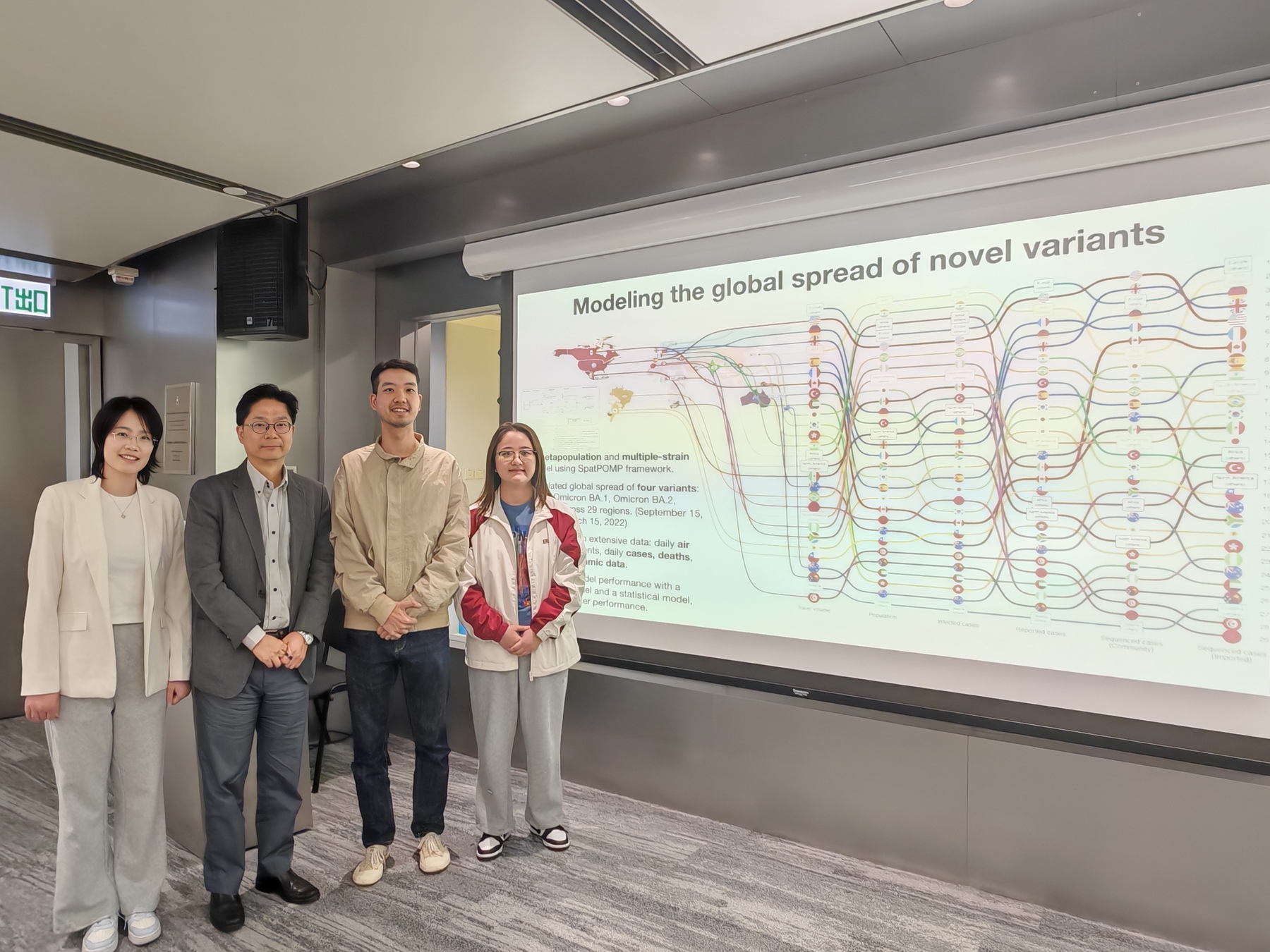
A research team led by Professor Leo Poon, Daniel C K Yu Professor in Virology, Chair Professor of Public Health Virology at our School, and Co-Director of The Hong Kong Jockey Club Global Health Institute (HKJCGHI); and Dr Gu Haogao, the then Research Assistant Professor and the first author of the study, has developed an innovative global viral genomic blueprint, showing that strategically targeting genomic surveillance on international travellers at two major aviation hubs could accelerate the detection of emerging viral variants by days, even with substantially limited global resources. The findings offered a practical pathway towards establishing a sustainable global early warning system for future pandemics.
The study found that strengthening viral surveillance among transit passengers at just two highly connected international aviation hubs—such as Hong Kong, China, and the United Arab Emirates (UAE)—could accelerate the global detection of emerging variants by approximately 2.6 to 3.3 days. This approach is readily implementable, making it well suited for long-term adoption. Even when diagnostic or genomic sequencing capacity is reduced by more than 50%, the proposed surveillance strategies continue to outperform current monitoring approaches, thus demonstrating strong cost-effectiveness and real-world applicability.
The research team also evaluated the strategy under a range of epidemic scenarios and found that its effectiveness remained robust regardless of a variant’s transmissibility or the level of population immunity, highlighting the strategy’s potential as a resilient and scalable model for future pandemic preparedness.
Professor Leo Poon said, “Even a lead time of just a few days can be crucial for laboratory and public health preparedness workflows. It gives laboratories extra time to assess whether existing diagnostic tests need updating, develop tools to evaluate immune escape, and begin vaccine prototype development before a variant becomes widespread. These measures would help public health authorities stay ahead of emerging threats.”
The findings have now been published in Nature Communications. Click here to view the publication.
Revealing How Emerging Omicron Variants Exploit Different Routes of Transmission
New Findings Point to Potential Spread Beyond the Respiratory Tract
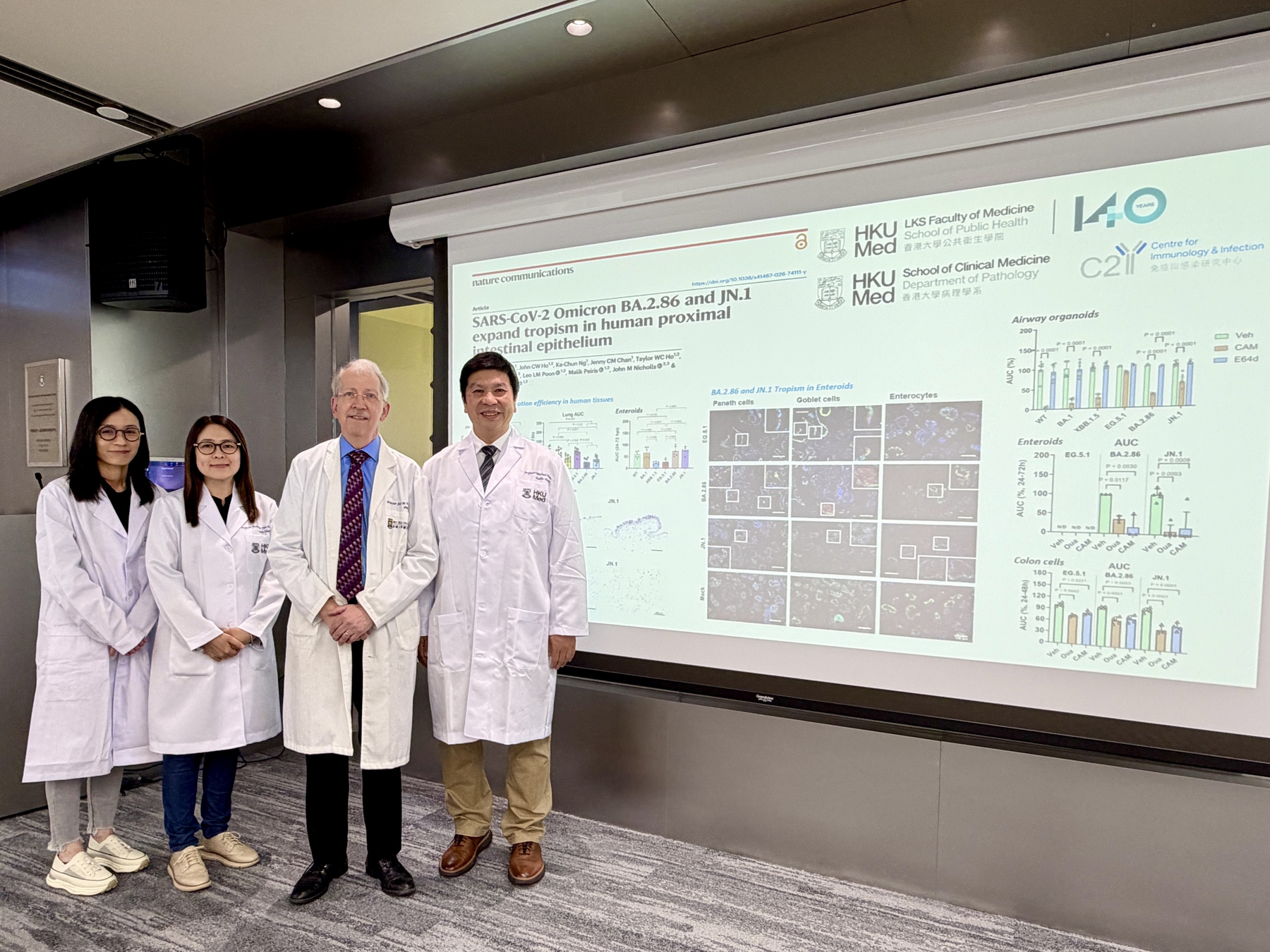
A study led by Professor Michael Chan, Professor of our School, with Professor Kenrie Hui, Assistant Professor also from the School, contributing as the first author, has discovered that emerging Omicron sublineages of SARS-CoV-2 use distinct biological strategies to spread and cause disease. Specifically, XBB.1.5 and EG.5.1 are better adapted for respiratory spread and may pose a greater risk of severe respiratory disease, while BA.2.86 and JN.1 tend to replicate more effectively in the intestines, potentially opening up alternative routes of transmission. The findings highlight the importance of ongoing monitoring and functional characterisation of emerging strains to support public health planning and preparedness for future outbreaks.
The study found that several Omicron sublineages, including BA.5, BA.5.2.1, XBB.1.5, and EG.5.1, replicate efficiently in human respiratory tissues. This suggests that these variants are particularly effective at infecting and multiplying in the airways and lungs, which may facilitate person-to-person transmission and potentially increase the risk of severe lung disease. Among the variants studied, EG.5.1 showed particularly notable features.
Professor Michael Chan said, “EG.5.1 can enter human cells through two different pathways, making it easier to infect tissues. It also showed enhanced growth in alveolar epithelial cells, which are located deep in the lungs, suggesting a stronger ability to infect the lower respiratory system and potentially causing more serious illnesses.” The researchers observed a similar pattern in XBB.1.5, which also replicates efficiently in respiratory tissues, indicating a high level of transmissibility.
The study found that BA.2.86 and JN.1, in contrast, replicate less efficiently in respiratory tissues but demonstrate higher replication levels in proximal intestinal enteroids, suggesting better adaptation to certain parts of the intestine — though this was not observed in colon cells. Notably, JN.1 exhibits a stronger ability to infect and grow in gut tissues while triggering relatively low levels of inflammation, suggesting the virus may persist in the gut without causing obvious symptoms, potentially increasing the possibility of transmission through faecal contamination.
The study also provides practical insights for laboratory studies, demonstrating that airway organoids are more reliable for studying how SARS-CoV-2 enters and infects human cells. The findings also suggest that the proximal intestine may be more relevant than the colon when investigating potential faecal–oral transmission.
The findings have now been published in Nature Communications. Click here to view the publication.
RESEARCH |
Publications in July to September 2026
Scholars’ Output Highlighted

The following are research papers published by SPH researchers in July to September 2026:
Work-Family Conflict and Mental Health: A Systematic Review and Meta-Analysis
PLOS Medicine
Liu, Dongyu*; Ni, Yanyan*; Ma, Tiffany S. W.*; Fan, Xiaoyan*; Zhan, Yongle; Lam, Ivan H. L.; Lui, Matthew C. L.; Chandola, Tarani; Kawachi, Ichiro; Cuijpers, Pim; Ni, Michael Y.*
Early Life Sugar Rationing and Ageing Related Diseases, Biological Ageing and Mortality
Nature Communications
Zheng, Jiazhen; Zhou, Zhen; Huang, Jinghan; Tu, Qiang; Wu, Haisheng*; Yang, Quan; Qi, Qi; Huang, Wenbo; Ren, Qingwen; Shen, Junchun; Shi, Xinlong; Chen, Can; Yang, Chuang; Cuthbertson, Daniel J.
Adverse Selection or Beneficial Selection in Dual Western Medicine–Traditional Chinese Medicine Insurance Markets
Social Science & Medicine
Chen, Xiyin*; Han, Xinxin; Quan, Jianchao*; Bishai, David*
Maturitas
Li, Jianji; Bai, Liming; Su, Mengxue; Xu, Yanran; Chen, Zeshan; Tu, Qiang; Li, Jianqi; Zhe, Chunyang; He, Fei; Wu, Haisheng*; He, Xiao-Yan
Sugar Rationing in the First 1000 Days After Conception and Long-Term Risk of Metabolic Dysfunction-Associated Steatotic Liver Disease and Major Adverse Liver Outcomes: A Natural Experiment Study
Clinical Gastroenterology and Hepatology
Zheng, Jiazhen; Zhou, Zhen; Huang, Jinghan; Tu, Qiang; Wu, Haisheng*; Yang, Quan; Qi, Qi; Huang, Wenbo; Shen, Junchun; Wu, Xianbo; Yang, Chuang; Cuthbertson, Daniel J.
American Journal of Medicine
Chen, Tingting; Wang, Boyuan; Lee, Ming Hin; Chan, Ka Hung; Chan, Sophia Siu Chee*; Li, Xue; Chui, Sze Ling Celine; Lai, Francisco Tsz Tsun; Chan, Esther Wai Yin; Wong, Ian Chi Kei; Wan, Eric Yuk Fai
Digitally Enabled GP-Specialist Collaborative Care Helped Improve Hypertension Outcomes and Reduced Hospital Referrals in China
npj Health Systems
Li, Xiaotong; Zhao, Jie*; Jian, Weiyan; Bishai, David*; Liu, Gang; Han, Xinxin
From Foundations to Innovation: Advancing Psychosocial Competency in Oncology Fellowship Training
JCO Oncology Practice
Bergerot, Cristiane Decat; Lam, Wendy Wing Tak*; Csaba, Dégi L.; Bultz, Barry D
Excess Mortality and Life-Years Lost in Older Adults with Schizophrenia-Spectrum Disorders: A 6-Year Follow-Up Case-Control Study
International Psychogeriatrics
Fung, Chris Chit Sze; Cheng, Calvin Pak Wing; Chan, Joe Kwun Nam; Chung, Tommy Ho-Fung; Lee, Allen Ting Chun; Lam, Linda Chiu Wa; Sham, Pak Chung; Wong, Mei Cheung; Chan, Lap Kei; Tsoi, Adelina Sze Hang; Wong, Yu Ching; Poon, Ting Keung; Chan, Man Chak; Tse, Katrina Tung Yee; Liu, Heather Wai Sum; Tang, Anson Yan Sou; Cheung, Sing-Hang; Wong, Corine Sau Man*; Chang, Wing Chung; Chan, Wai Chi
Remarks:
* Member of School of Public Health, The University of Hong Kong
- This list is compiled by searching in Scopus using the keywords “School of Public Health, LKS Faculty of Medicine, The University of Hong Kong” for July to September 2026
- Arranged by date of publication